Friday 27 November, 2026
individual assets integrated into a new platform
documents digitised
months
transformation journey, instead of years
data platforms connected

Challenge
Like many operators, BT’s infrastructure estate information existed across hundreds and thousands of data points embedded in engineering systems, property records, lease agreements, structural drawings, audits, safety certifications and site documentation. The data was there, but unlocking it required navigating disconnected systems, interpreting complex records and bringing together specialists from across the business. The task of synthesising that data was an enormous multi-year challenge and hence we were reticent to even begin without a way forward that has a high likelihood of success.

Solution
AI changed this dynamic. AI-enabled workflows classified documents, extracted critical property and engineering information and transformed fragmented records into structured intelligence at a speed and scale that would not have been practical manually.
Combined with executive leadership and deep domain expertise, what started as a Tower Database evolved into something much bigger: a trusted digital foundation connecting asset information, property rights, engineering intelligence, operational readiness and customer demand into a single commercial workflow.

Scaling human expertise with AI
Processing documents quickly has always been possible, but doing it right requires expertise. Agentic AI enabled the scaling of the expertise across many domains. Property specialists that understood commercial rights and obligations could make decisions about contracts not wrestle with badly scanned files. It gave engineers the information needed to assess infrastructure constraints and capacity. And it enabled operational teams that understood site readiness and service delivery requirements to make decisions with confidence because they were presented information in a way they could digest.
That small cross-functional team could apply its deep mobile industry expertise and decades of domain knowledge into structured workflows, business rules and evidence requirements. Agentic AI then applied that expertise consistently across the portfolio, classifying approximately 560K documents and extracting structured information from over 50K legal records. Work that could previously have taken years was completed in months by amplifying the human knowledge inside the business and industrialising its application.
Figure 1: Nine-month transformation journey: a faster path from customer demand to commercial action
Transforming documents into commercial intelligence
One of the greatest barriers to infrastructure commercialisation was not lack of information. It was the inability to consistently access, interpret and apply that information at scale.
Approximately 560K documents had accumulated across property, engineering, operational and legal domains, with little consistent classification or structure. When a customer opportunity required a site assessment or portfolio review, teams often had to locate and analyse information spread across multiple document repositories, making the process time- consuming and difficult to scale.
The first challenge was therefore not advanced analytics. It was creating order from complexity. AI‑enabled workflows were used to discover, classify and organise documents at portfolio scale, establishing a structured foundation from which infrastructure intelligence could be extracted and applied consistently across the estate.
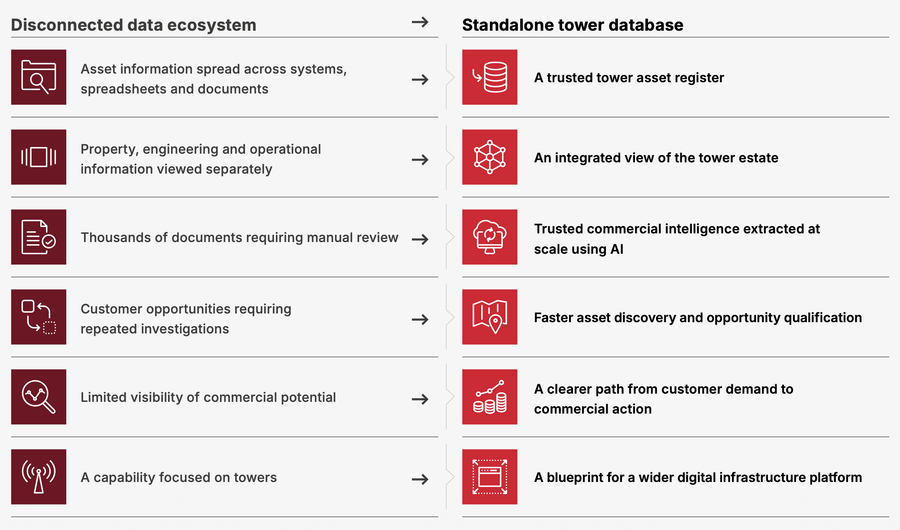
Figure 2: From disconnected records to clearer path from customer demand to commercial action
From lease clauses to revenue potential
A powerful example came from property rights. One of the most commercially important questions for any tower operator is whether an asset can accommodate an additional tenant and under what conditions. The answer directly influences the ability to generate incremental revenue from existing infrastructure assets. Yet the information often existed across multiple lease agreements, amendments and supporting records expressed in different ways and requiring specialist interpretation.
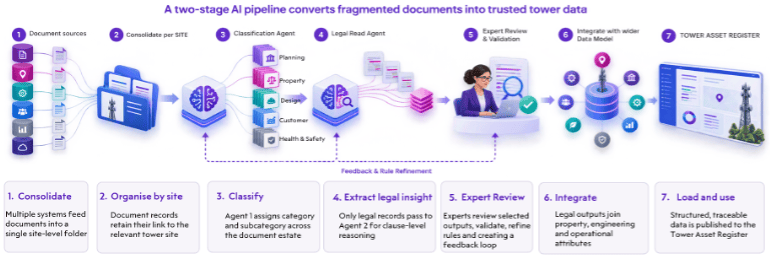
Agentic AI workflows analysed these documents holistically, identifying relevant clauses, interpreting conditions and synthesising the information into a single structured outcome. For each site, the platform could determine whether sharing was permitted, identify any restrictions or approval requirements and provide the underlying evidence supporting the conclusion.
Trust and transparency were fundamental. Every extracted insight remained fully traceable to its source documentation, including supporting clauses, page references and evidence. This allowed specialists to validate outputs, challenge interpretations where required and maintain confidence in the resulting intelligence.
Sharing rights represented just one example. Similar approaches were used to extract commercial, property, engineering and operational intelligence from unstructured documents, transforming information that was previously hidden within records into actionable infrastructure intelligence available directly against the site record.
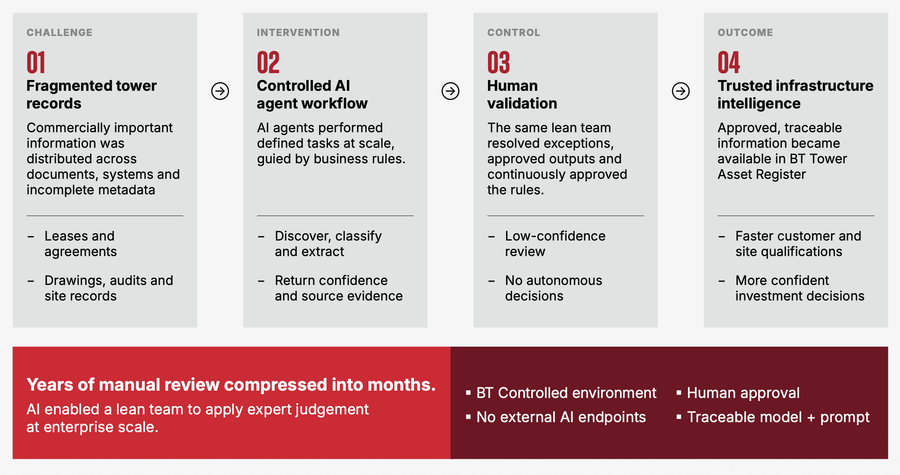
Figure 3: A controlled AI workflow scales expert knowledge and enabling business decision making
From infrastructure intelligence to commercial decisions

“The result was not simply better data. It was a faster way to discover assets, qualify opportunities and convert infrastructure intelligence into commercial value. The future advantage for infrastructure operators will not come from owning more assets, but from understanding and activating the intelligence hidden within the assets they already own.
David McKean, InfraCo Division Director, BT
Own the business outcome
The objective was never to deploy AI or build a database. The objective was to create a trusted foundation for infrastructure commercialisation. Technology capabilities could be partnered. Ownership of the business problem could not. Business leaders remained accountable for defining outcomes, prioritising requirements and ensuring the platform supported real commercial decisions.

Progress through disciplined iteration
AI is most effective when applied to well-understood processes. Domain experts defined the rules, boundaries and evidence requirements that allowed expertise to be applied consistently across the estate.

Scalability and future outlook
The platform evolved continuously through close collaboration between business and technology teams. Rapid feedback loops ensured capabilities remained aligned to operational and commercial priorities, while clear scope boundaries prevented unnecessary complexity.

Trust enables
scale
Responsible AI controls, auditability, traceability and human oversight ensured that innovation could be deployed confidently against critical national infrastructure data

Key partners
If you like this report, you can download the pdf version, below: