Home
...
Affordability of Internet-Enabled Handsets and Data
Affordability of Internet-Enabled Handsets and Data
A deep dive into how the cost of devices and data impacts mobile internet adoption and use.
Looking for the latest report?
The State of Mobile Internet Connectivity 2026 is now available. This page remains available as an archive of the 2025 report series and supporting resources.
At a glance
This report explores how affordability of entry-level, internet-enabled handsets and various data bundles have changed over time, and how affordability impacts different segments of the population.
Why it matters
8% of the world’s population are already covered by mobile broadband networks but do not use it (the usage gap). They face other barriers to mobile internet adoption and then further use once they are online.
A key factor is affordability. Across all the low- and middle-income countries surveyed, affordability (primarily of internet-enabled devices) was the top overall reported barrier to mobile internet adoption. Affordability of data and devices played a significant role in preventing further use of internet among existing users.
“
A device at $30 could make handsets affordable to up to 1.6 billion people who are currently priced out of connecting to available mobile internet coverage. To produce this will require a concerted, collaborative effort between the mobile industry, device manufacturers, policy makers, financial institutions and more, but it is a responsibility we all must shoulder.
Vivek Badrinath, Director General, GSMA
Explore the chapters
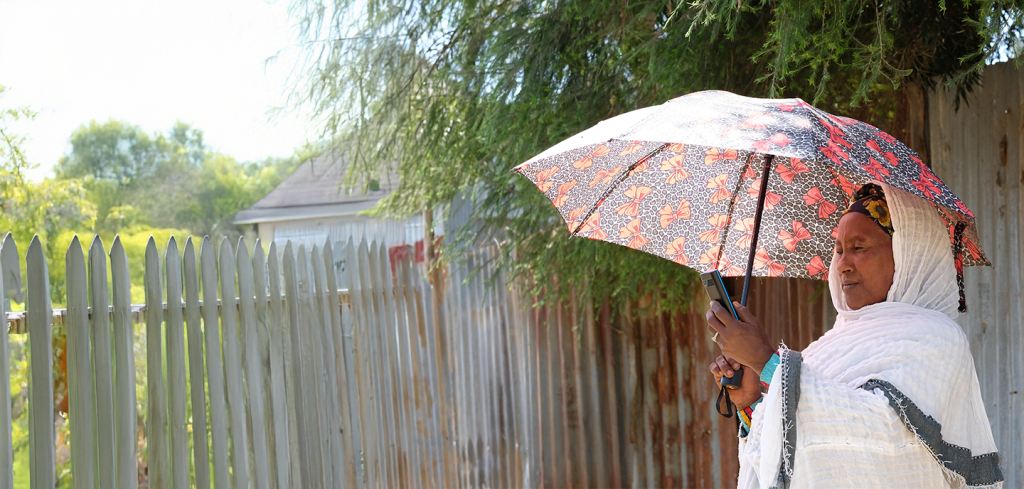
1. Affordability and its role in handset ownership and internet use
Affordability plays a central role in determining whether people own internet-enabled handsets and use mobile internet. This chapter outlines how affordability is defined and why owning a suitable device is crucial for meaningful connectivity.
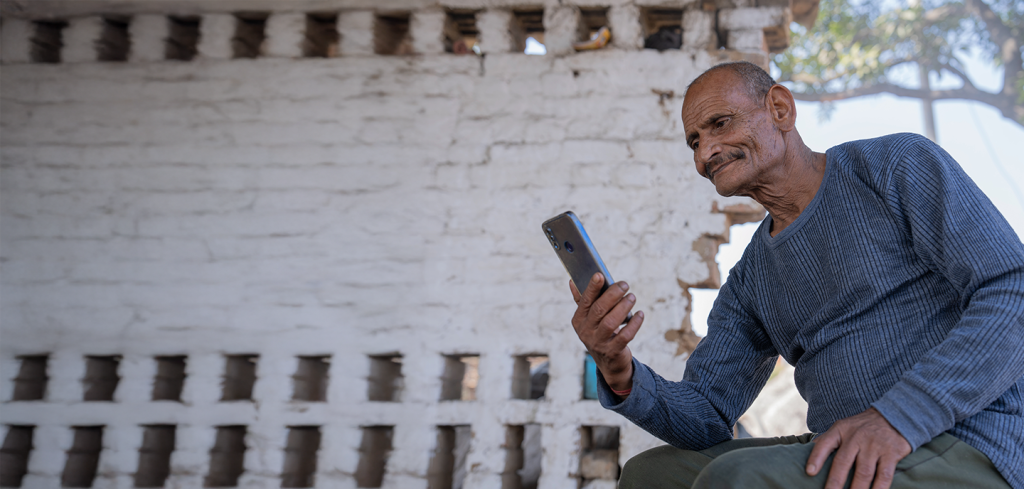
2. Affordability of internet-enabled devices
Entry-level internet-enabled device affordability remains unchanged, though cost to consumers have risen. This chapter examines handset price trends across LMICs, regional differences, the potential impact of cheaper devices on narrowing the usage gap and device shipments by wholesale price.

3. Affordability of data
The affordability of 1 GB and 20 GB of data remain stable, while 5 GB has become more affordable in most regions. This chapter explores affordability trends, regional variations and progress towards global data affordability targets.

4. Exploring variations in affordability
Affordability challenges are greatest for poorer populations, women and rural communities. This chapter highlights inequalities in device and data affordability, underscoring how underserved groups face higher costs as a share of income.
The Connected Society programme is currently funded by the UK Government’s Foreign, Commonwealth & Development Office (FCDO) through its Global Research and Technology Development Portfolio, and by the Swedish International Development Cooperation Agency (SIDA), and is supported by the GSMA and its members.