Home
...
Network Coverage and Infrastructure
Network Coverage and Infrastructure
An analysis of mobile broadband coverage, network rollouts and the infrastructure shaping connectivity.
Looking for the latest report?
The State of Mobile Internet Connectivity 2026 is now available. This page remains available as an archive of the 2025 report series and supporting resources.
At a glance
The third report in the series examines how network coverage and infrastructure are expanding, and investigates network quality. These factors affect people’s ability to access the internet and their experience when doing so.
Why it matters
The vast majority (96%) of the world’s population live within the footprint of a mobile broadband network. Around 300 million people, or 4% of the global population, live in areas without mobile broadband coverage (the coverage gap). The uncovered live in locations that are predominantly rural, poor and sparsely populated. They are typically in a least developed country, landlocked developing country or small island developing state. This coverage gap has been shrinking but is persistent.
“
The coverage gap has reduced, primarily driven by Sub-Saharan Africa, but reaching the remaining populations is proving challenging. It will take hundreds of billions in investment, new policies and alternative technologies to bring coverage to these communities — the ones that stand to benefit most from mobile connectivity.
Claire Sibthorpe, Head of Digital Inclusion, GSMA
Explore the chapters

1. The coverage gap
The coverage gap has reduced, but reaching the remaining populations will be challenging. This chapter explores where coverage is improving, where large gaps remain, and highlights some of the key challenges in expanding coverage further.
2. Network coverage by technology
5G now covers more than half the world’s population. Meanwhile, 4G deployments have slowed. This chapter delves into the expansion of networks by different technology type and the gradual shutting down of legacy networks.
3. Data consumption and network quality
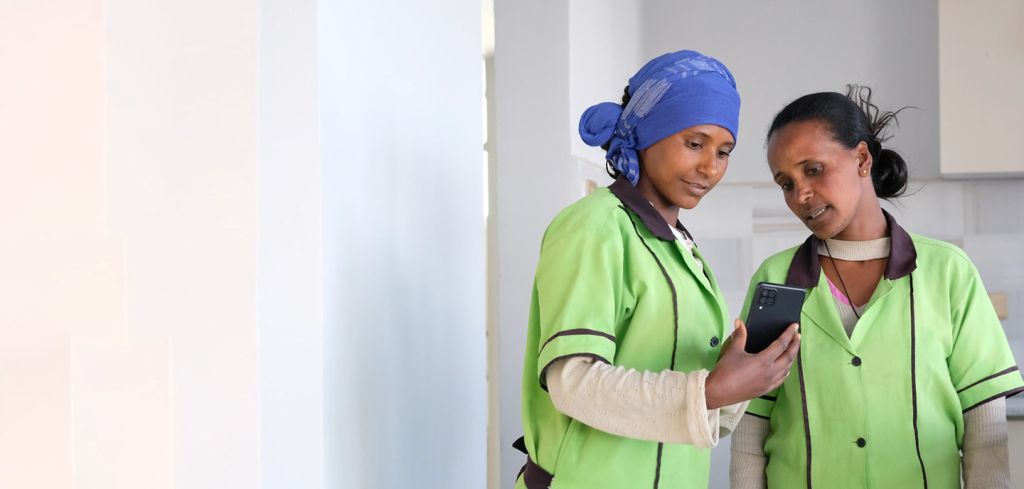
LMICs continue to see increased data usage and improvements in network quality, but the gap versus high-income countries persists. This chapter examines differences by region, national income levels and other geographical factors, and highlights where progress is strongest.
The Connected Society programme is currently funded by the UK Government’s Foreign, Commonwealth & Development Office (FCDO) through its Global Research and Technology Development Portfolio, and by the Swedish International Development Cooperation Agency (SIDA), and is supported by the GSMA and its members.