GSMA Innovation Fund Alumnus Dayaxa Frankincense is a Somaliland-based community enterprise using blockchain to support frankincense farmers to harvest sustainable produce and achieve fair prices in a value chain typically fraught with exploitation.
This blog explores how Dayaxa Frankincense is using blockchain to ensure that supply chains are free of exploitation. Read on to learn more about the context of blockchain for supply chain management, find out why Dayaxa Frankincense chose to use blockchain, the value it brings to the community enterprise and discover how the organisation is looking to scale.
In context
A blockchain is a method of digitally storing transactional or event-based data in a decentralised, immutable ledger. The ability of blockchain to store data that cannot be tampered with has led to its increasing usage in supply chain management – ‘from seed to table’ – to tackle recurring challenges such as a lack of data transparency, inaccurate recordkeeping, supply chain fraud and exploitation of agricultural workers.
This is the third in our series of blogs on Emerging Tech in Action. See here for the introductory blog, or read our second installment looking at Komunidad’s use of AI for climate resilience here.
While blockchain offers great potential for improving supply chain management, the success of blockchain in enabling businesses, particularly small and medium enterprises, to overcome supply chain challenges is often disputed. This is because developing and maintaining blockchain networks is resource intensive, requires a high level of technical expertise and can be challenging to integrate into existing, often informal supply chain management systems.
As the importance of supply chain transparency for businesses increases, due to growing consumer demands and concerns of human rights risks, so does the drive to overcome the challenge of integrating blockchain software into supply chain management. The blockchain supply chain market is currently valued at $2.08 billion and is expected to reach $9.77 billion by 2030.
Dayaxa Frankincense began working towards integrating blockchain technology into their frankincense supply chain in 2020 and have been successful in balancing the challenges that blockchain presents with the value it brings to their operations.
Blockchain for supply chain transparency in action
Blockchain is at the centre of Dayaxa Frankincenses’ community enterprise. The initial drive to use blockchain came from the objective to support harvesters of frankincense to receive fair prices for the resin in a supply chain typically fraught with exploitation. The frankincense supply chain currently lacks transparency and supply chain actors and consumers do not generally have visibility on where the resin is harvested. Resin profits are often siphoned off by intermediaries and harvesters may be charged high prices for supply chain processes, leaving them with little profits from their work.
By leveraging blockchain, Dayaxa Frankincense can document, track and verify all supply chain activities via a mobile app. This includes:
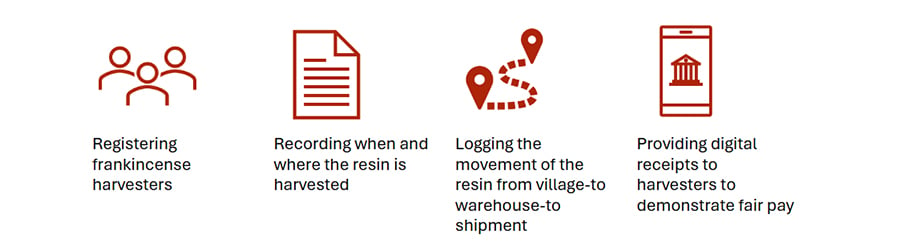
As the data is input and stored in an unchangeable blockchain, Dayaxa build trust with frankincense buyers by clearly evidencing that the supply chain is free of exploitation and that the data evidencing this is robust. This is a unique selling point for Dayaxa Frankincense, therefore encouraging purchases to be made from the enterprise over other sellers of frankincense resin. This increases the value going back to the harvesters as there are no intermediaries who take a percentage of their profits. Dayaxa Frankincense could not establish the same level of trust with its buyers without the assurances offered by blockchain.
Blockchain challenges and Dayaxa Frankincense’s solutions
To succeed, Dayaxa Frankincense overcame several challenges related to the blockchain software. The system was initially fairly complex, and this led to software bugs. By scaling back certain functions and finding the right balance between complexity and practicality, Dayaxa Frankincense now have a smoothly operating technology. Training people on how to use the software was another challenge. Dayaxa Frankincense have opted to train their own staff in-house on how to upload the data, including refresher courses each harvesting period to renew engagement and comprehension of the processes.
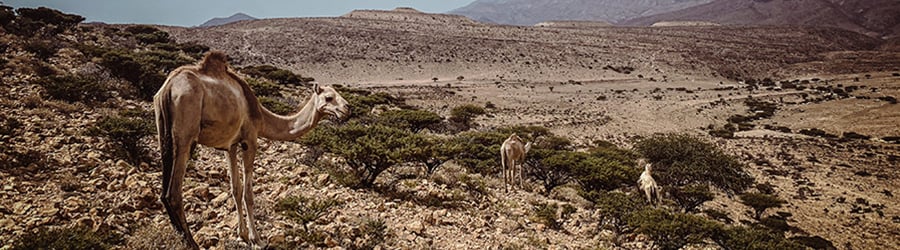
Furthermore, Dayaxa Frankincense have added an environmental sustainability module to their blockchain software which monitors Boswellia tree (from which frankincense is derived) health. The impact of this function will be apparent over time as Boswellia trees grow very slowly and have one harvesting period per year, and so it can be difficult to see how they have been affected by changes in harvest practices.
Next steps for Dayaxa Frankincense
As a blockchain-centric enterprise, Dayaxa Frankincense are working towards continuously refining their solution and scaling their reach. Current objectives include:
- Expanding the offering to more users:
Frankincense is the main income source for rural communities in Somaliland and Dayaxa Frankincense aims to continue onboarding more farmers to their solution to increase their market access. As there is only one frankincense harvest per year, this process will take time.
- Replicating the solution to new contexts:
Dayaxa Frankincense has updated their blockchain software to include myrrh as well as frankincense. Myrrh supply chains are similarly affected by a lack of transparency and harvesters of myrrh face barriers in obtaining a fair share of profits. Dayaxa Frankincense’s solution is therefore well suited to this context.
- Refining existing functions:
Dayaxa Frankincense continues to refine their tree health monitoring app to support environmentally stable harvest practices. Due to the slow growing nature of Boswellia trees, building up a bank of the necessary data to do this is a slow process.
This blog series is a collaboration between the GSMA Innovation Fund and Central Insights Unit, who will continue to produce collaborative insights on Emerging Technology.
In Summary
Blockchain has been integral in enabling Dayaxa Frankincense to reach their goals of reducing exploitation in frankincense supply chains and bringing value back to harvesters. It has fostered an environment of trust surrounding a supply chain that is traditionally closed off, by allowing frankincense resin to be traced right back to the source and fair payments to harvesters to be tracked in a secure and unchangeable database.
Dayaxa Frankincense continues to expand their reach, scaling to additional supply chains and communities across Somaliland. Blockchain is a long-term investment for Dayaxa Frankincense; with each harvest of frankincense, sales are increasing which is bringing in more revenue to the harvesters and ultimately increasing the economic resilience of the local communities.
The GSMA Innovation fund is currently funded by UK international development from the UK government and the Swedish International Development Cooperation Agency (Sida); and our Central Insights Unit programme is currently funded by UK International Development from the UK government and is supported by the GSMA and its members.