


Following the launch of the State of the Industry Report on Mobile Money 2025, the GSMA Mobile Money programme will publish a series of blogs on innovation for inclusion between June and October 2025. These articles will highlight how innovative thinking and design are improving financial access to a broad range of products and services. This is the second blog in the series. The first blog can be read here.
In 2023, around 2.2 million Filipinos lived and worked outside of the Philippines. While abroad, Filipinos who plan to return home for retirement can make Social Security System (SSS) payments to the Philippines’ government. SSS contributions qualify Overseas Filipino Workers (OFWs) for a monthly pension on retirement. This ensures their long-term financial security after working abroad.

Paying regular contributions also entitles members to a range of social protection benefits covering disability, sickness, maternity, death and funerals. OFWs’ SSS membership financially protects their families too. Legal dependents, i.e., spouses and children, can claim benefits in the event of the member’s death, disability or other qualifying contingencies.
Active SSS members, including those abroad, may be eligible for various loan programmes—such as salary, calamity and emergency loans—that provide crucial support when facing unexpected expenses. SSS membership gives OFWs and their families a safety net against health, work, or family emergencies.
Regular contributions by OFWs help to strengthen the Philippines’ overall social protection system, supporting the government’s aim to cover its citizens both at home and overseas.
Mobile money in Qatar facilitates social security payments to the Philippines
Around 264,000 Filipinos lived in Qatar in 2024, making them the fourth-largest expatriate group in the country–after Indians, Nepalis and Bangladeshis. Most Filipinos in Qatar are employed in the construction and service sectors.
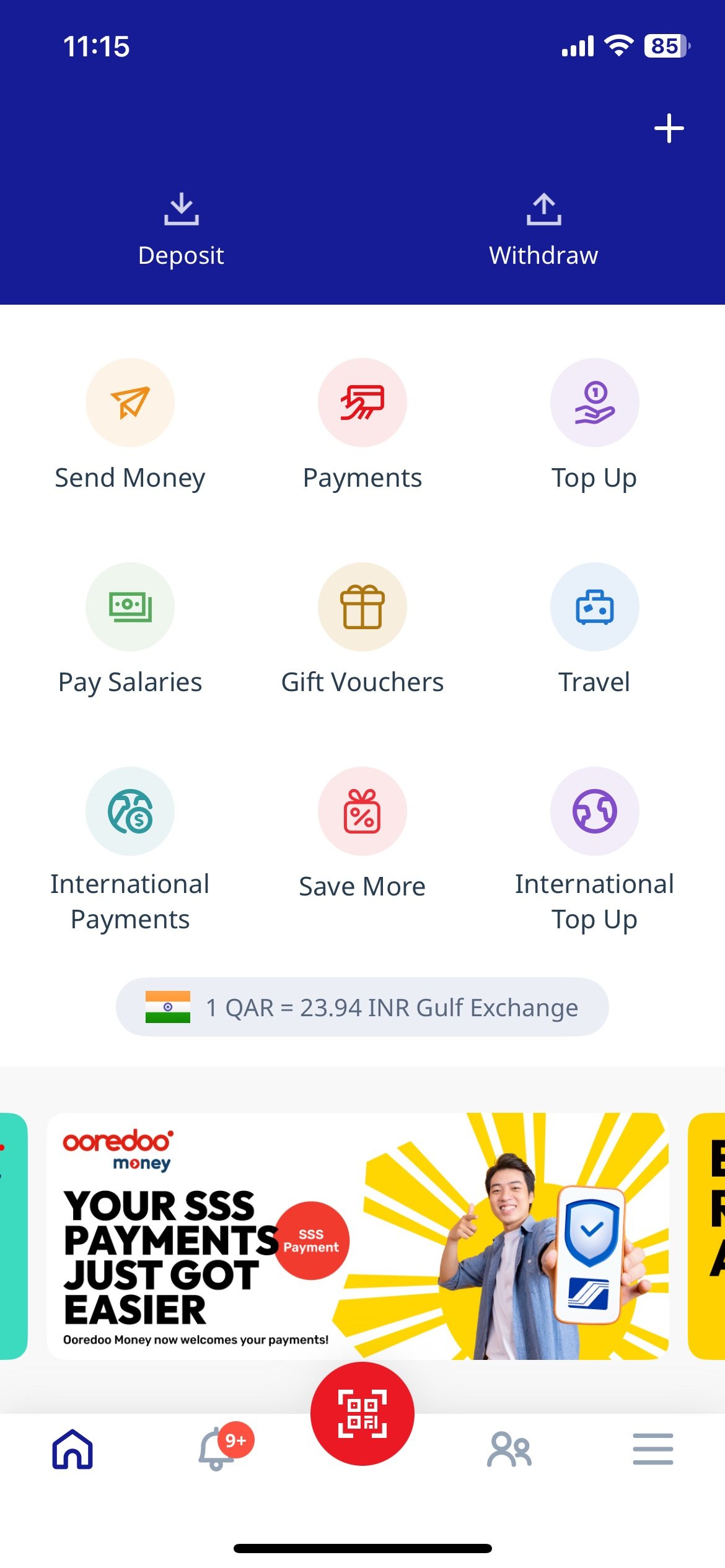
In July 2024, Ooredoo Money launched a new app feature that enables OFWs in Qatar to pay their SSS contributions. The new app feature was developed in collaboration with DT One, its strategic technology partner. Users need to download the Ooredoo Money app, through which SSS contributions can be made. These contributions can be recurring payments, allowing users to make convenient, quick and affordable payments.

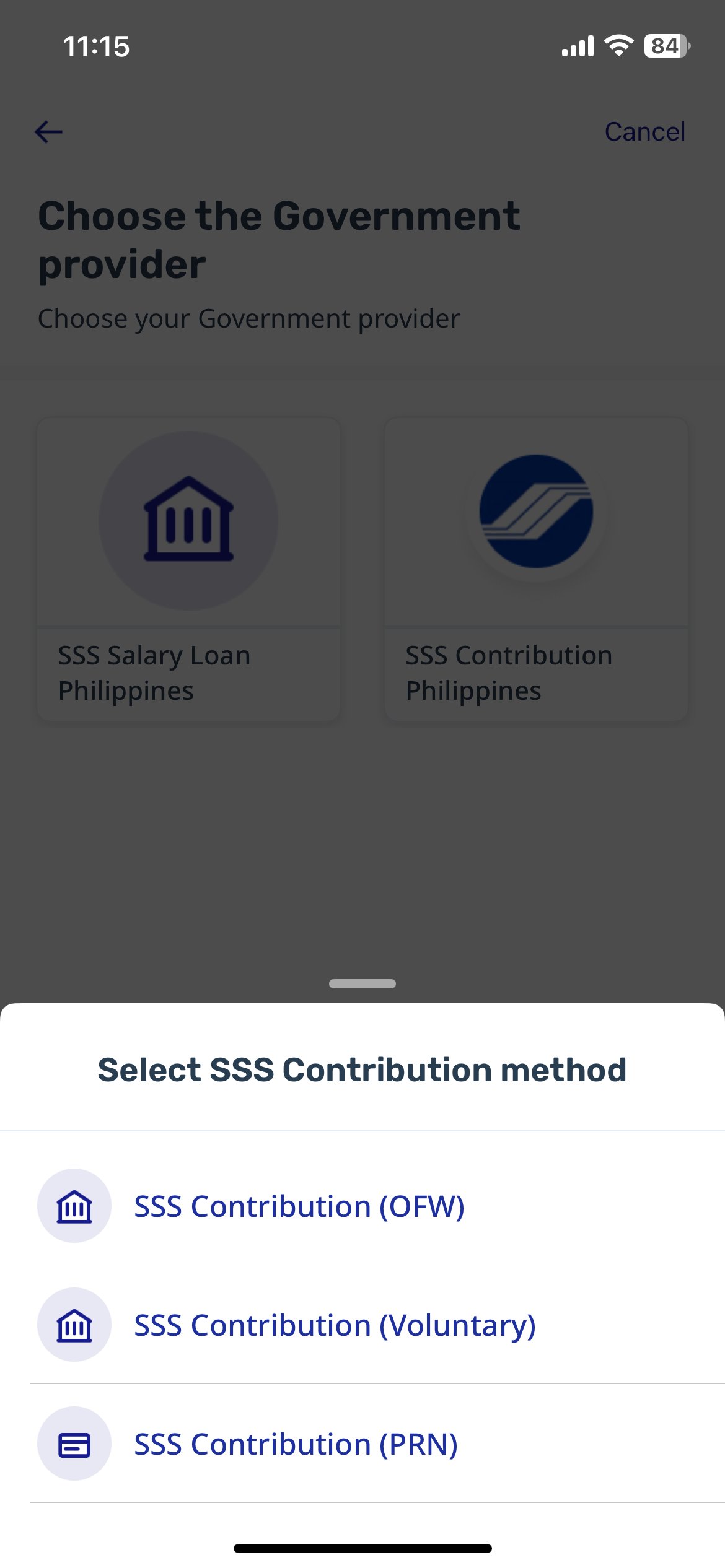
The alternative is for OFWs to pay SSS contributions in person at accredited remittance and exchange centres, or through the formal banking system. These options may incur additional costs or time.
Mobile money also drives remittance payments
Beyond SSS payments, OFWs are also responsible for large remittance sums that flow into the Philippines. Remittances are a cornerstone of the Philippine economy, providing vital support for millions of households and fuelling national development. In 2024, personal remittances to the Philippines reached an all-time high of $38 billion, a 3% increase from 2023.
Most remittances to the Philippines originate from the United States, Singapore and Saudi Arabia. New labour agreements and infrastructure projects support emerging remittance corridors across the Gulf Cooperation Council (GCC) and the Association of Southeast Asian Nations (ASEAN). Recent labour agreements and policies between the Philippines and Qatar offer Filipino workers greater protection, better working and living conditions, and expanded legal rights. These changes make Qatar a more attractive and secure destination for Filipino workers. As a result, remittance flows from Qatar to the Philippines are expected to grow.
Most remittances to the Philippines go through formal systems such as banks and licensed money transfer operators. However, the use of digital wallets and mobile payment platforms is rapidly expanding. Several such digital financial services are targeted at migrant workers in the region that rely on international remittances.
The Middle East is home to a significant migrant population which sends money home to family and friends. In 2024, the value of outward mobile money remittances from this region outweighed inward flows ten-to-one, and almost doubled relative to 2021 (Figure 1). Many immigrants in the Middle East come from Southeast Asia, who were largely responsible for the $1.8bn of mobile money remittances that flowed into the region in 2024. This was over three and a half times the value in 2021.
Figure 1: Mobile money-enabled remittances in the Middle East and Southeast Asia

Source: GSMA
According to the State of the Industry Report on Mobile Money 2025, mobile money only accounted for 4% of global international remittances in 2023. This is despite cross-border mobile money remittances being more affordable than many traditional methods. In 2024, the benchmark total cost of cross-border mobile money remittances was 3.5%, below the 6.4% global average for all sending methods. There remains a significant opportunity to grow mobile money remittances.
Mobile money is playing an increasingly important role for migrants worldwide. For Filipino workers in Qatar, it enables faster and more convenient social security contributions through Ooredoo Money’s app. Mobile money also supports remittance payments in the Middle East and Southeast Asia. These trends demonstrate how mobile money technology can shape a brighter, more connected future for migrants and their families.
To learn more about mobile money trends, read the GSMA State of the Industry Report on Mobile Money 2025 here.