



Following the launch of the State of the Industry Report on Mobile Money 2025, the GSMA Mobile Money programme has been publishing a series of blogs on innovation for inclusion since June 2025. These articles highlight how innovative thinking and design are improving financial access to a broad range of products and services. This is the fourth blog in the series.
In our first special interview, we spoke to Brad Jones, the former CEO of Wave Money in Myanmar and the Founding Managing Director of Wing Bank in Cambodia. Brad has been at the forefront of fintech’s rise in Asia, having led two mobile money services that have since become dominant players in their respective markets. He was recently appointed as a Non-Executive Director at Mixx by Yas in Tanzania. We spoke to him about how Cambodia and Myanmar are similar yet different, and what innovations in East Asia are spurring growth.

You have led two mobile money services in Cambodia and Myanmar, both of which are seen as leaders in their respective markets. What were some of the challenges these services faced during their early days?
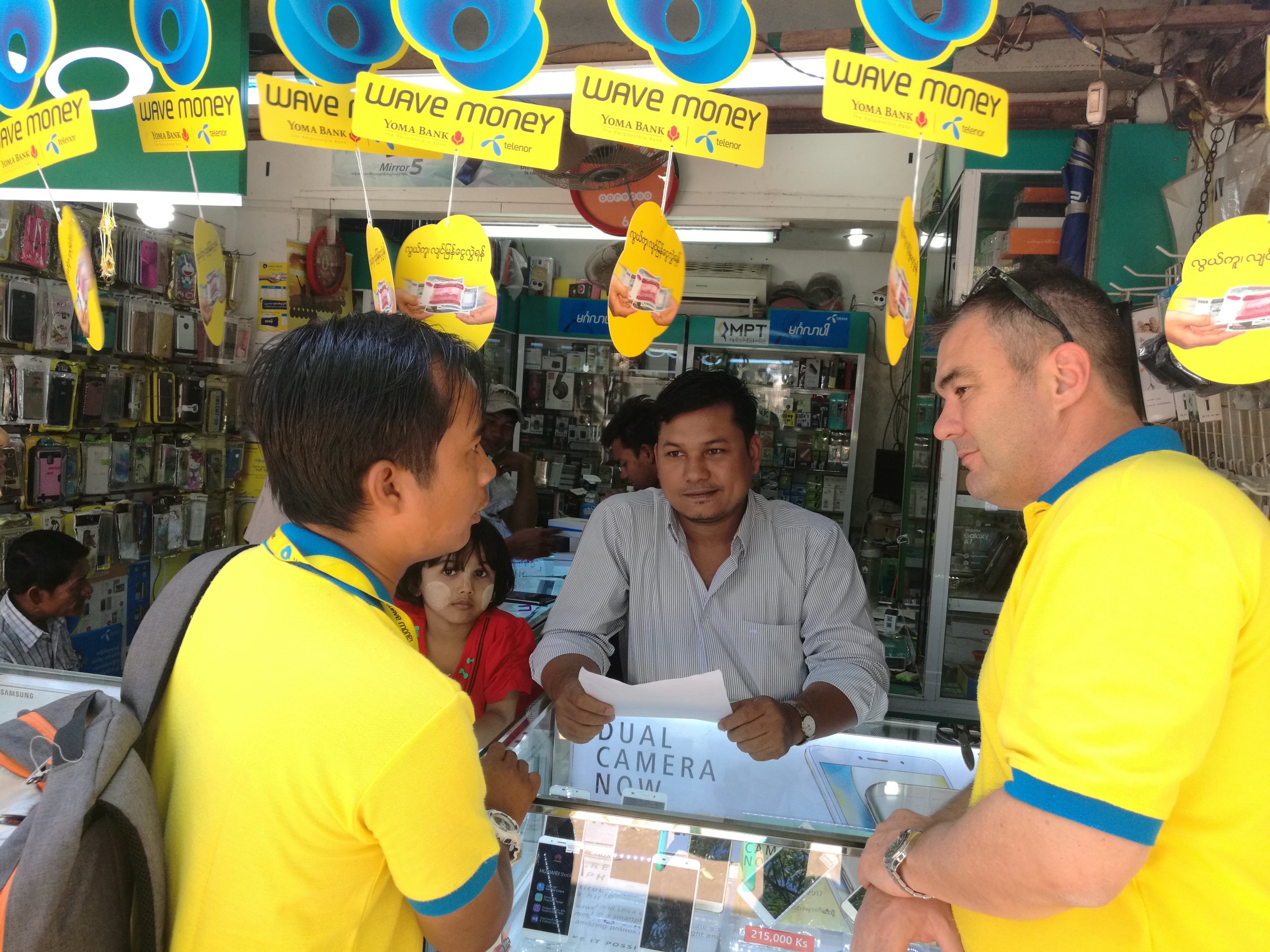
“Both markets had some similarities, but some significant differences too. The major similarity was that both had very low rates of banking penetration when we first launched (the end of 2008 for Wing and 2016 for Wave Money in Myanmar). However, in both markets, each service was the first or nearly the first mover. Customer awareness and trust of these services were very low. The overwhelming similarity was that both markets had nearly universal access to mobile phones. This became the foundation for success for both services.”
Wing Bank in Cambodia is now seen as an industry leader. How would you compare the different approaches to digitalisation and innovation between Cambodia and Myanmar?
“Both Cambodia and Myanmar have pursued digitalisation, but their approaches differ significantly due to economic stability, regulatory maturity and external factors. Cambodia’s strategy has historically focused on strengthening regulation and ensuring stability in a rapidly growing economy – albeit with an openness to innovation. One example is Wing launching without a regulatory framework in place, but in essence as a ‘sandbox’ agreement with the central bank.”
“In contrast, Myanmar’s approach focuses on resilience amid political challenges, regulatory foundational work and using mobile penetration for basic inclusion. Both share similarities in using mobile money for underserved populations and facing infrastructure hurdles. But Cambodia benefits from a more stable environment, which has led to faster and more sustainable progress.”
Until around 2008, the Philippines was the leading mobile money market worldwide, and Asia was where much of the industry was based. Since then, the ‘centre of gravity’ has moved firmly towards Africa. What caused this regional divergence?
“Post-2008, Africa surged ahead, largely driven by Kenya’s M-Pesa, which scaled rapidly due to flexible regulations, low banking penetration and widespread agent networks. Africa’s unbanked and underbanked populations fuelled adoption, which was helped by the increasing penetration of mobile networks across the continent. In contrast, Asia faced stricter regulations, fragmented markets and cultural barriers, such as a preference for cash and slowing growth. Asia’s growth lagged until the recent fintech-driven resurgence.”
Industry data and our conversations with many providers reveal that COVID-19 helped to boost digital payments in many markets. Yet, cash use is still prevalent in several parts of Asia. How might the industry have evolved had COVID-19 not happened?
“Without COVID-19, digital payments in Asia, including QR code systems, would have grown more slowly. Cultural reliance on cash in Indonesia and Vietnam would have persisted due to a lack of trust and slower merchant adoption. Small businesses, lacking the pandemic’s push for contactless payments, would have delayed adopting QR codes. Government initiatives, such as India’s UPI or Thailand’s PromptPay, would have progressed gradually, delaying interoperable ecosystems.”
“Overall, financial inclusion would have lagged, as mobile wallet adoption slowed. Super-apps, such as G-Cash, would have grown less rapidly, with cash dominating in informal economies. In general, the pandemic accelerated digital payments. We are now seeing sustained growth.”
QR code-based payments for merchant transactions and P2P transfers have been successful in Asia. Beyond high rates of smartphone penetration, what else has led to the success of QR codes among Asian mobile money services?
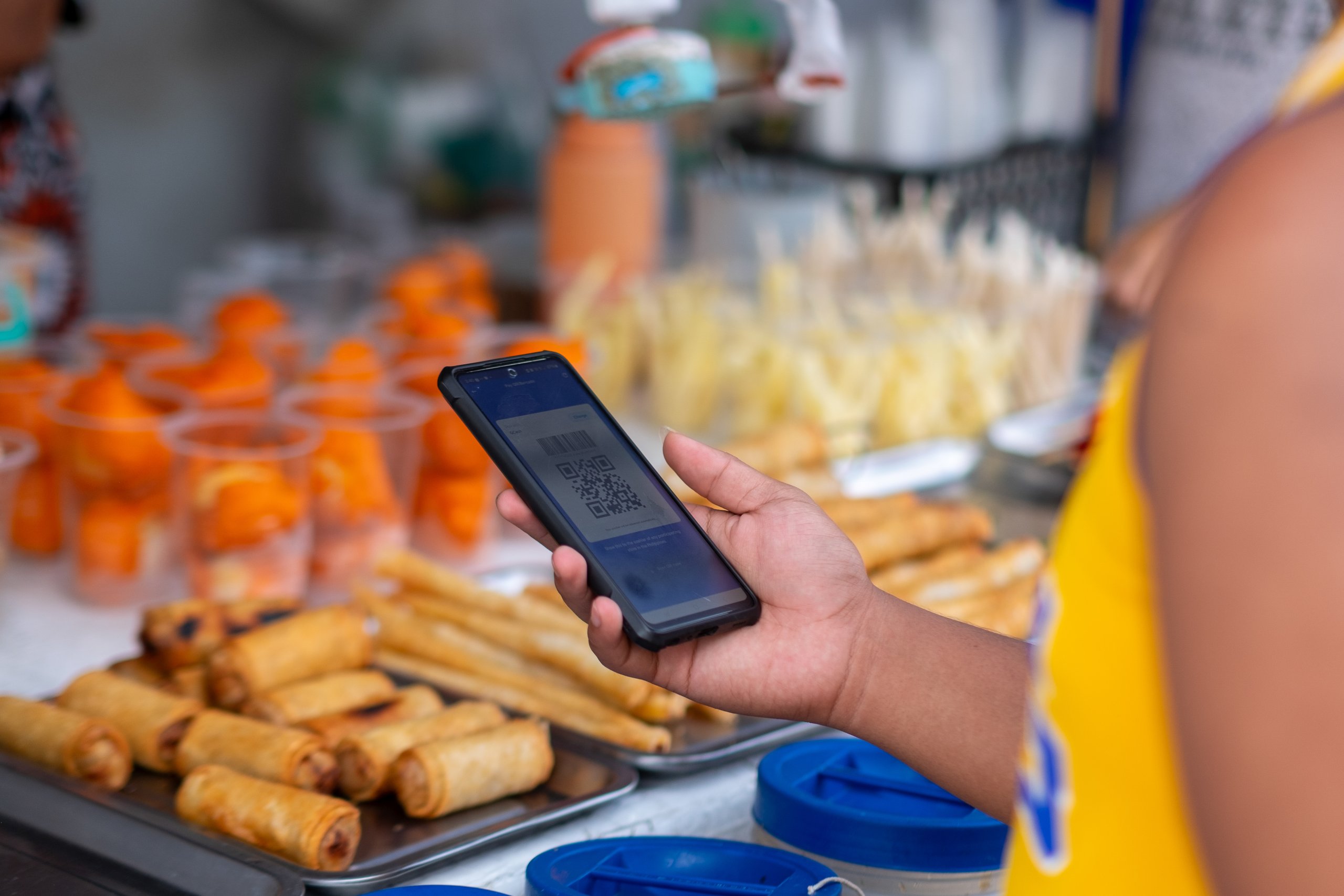
“Low infrastructure costs have enabled small merchants to adopt QR-based payments without needing expensive POS systems. Supportive government policies have helped to standardise and promote QR payments. Integration with good super-apps and platform interoperability have helped too. This has led to a cohesive ecosystem, leading to greater trust and higher use of QR codes.”
Based on your experience, where do you see the industry (including innovation in mobile money) headed in the next 5-10 years?
“Asia’s mobile money industry is likely to see digital wallets dominate, surpassing card payments. We may soon see USSD payments migrating to smartphones across Africa. Interoperable QR standards and real-time networks (UPI and PromptPay), driven by national schemes such as QRPH (Philippines) and SGQR (Singapore), may boost e-commerce and remittances. Financial inclusion will grow through digital literacy and rural-focused services, while biometrics and digital IDs will improve KYC risks. Cash may persist in some markets, but mobile money will grow further.
To learn more about mobile money’s growth, read the GSMA’s State of the Industry Report on Mobile Money 2025 here.