



Addressing digital inclusion and the usage gap
Mobile internet is connecting more people to the internet than ever before in low- and middle-income countries (LMICs), mobile is the primary – and often only – way people access the internet. While mobile has been driving digital inclusion, there remain more than 3.4 billion people remain excluded from its life-enhancing benefits. Those who are digitally excluded are more likely to be poorer, less educated, rural, persons with disabilities or women – groups that stand to gain the most from connectivity.
We work with the mobile industry, governments, development partners and other key stakeholders to increase access to and adoption of mobile internet, with a focus on underserved communities. We provide critical data and insights, and through advocacy efforts raise awareness of the state of mobile internet connectivity and where to focus efforts to drive digital inclusion. We have also continued to provide targeted technical advisory support to MNOs, governments, and other stakeholders, using our data, insights and tools to understand and address key barriers to digital inclusion for those who are underserved.
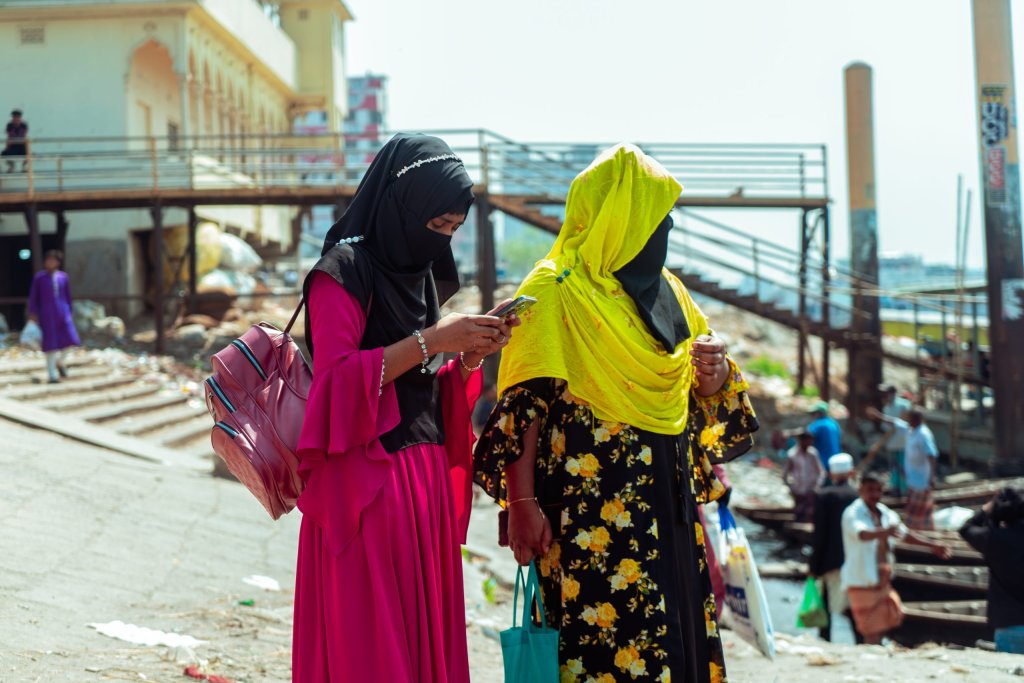
Globally, 4% of the world’s population are not covered by mobile broadband (the coverage gap) and 38% live in areas covered by mobile broadband but do not use it (the usage gap). Since the vast majority of those not using mobile internet live in areas covered by mobile broadband but face other barriers to using it, addressing the usage gap has been the focus of our efforts.
The past two years have seen the Digital Inclusion programme achieve significant impact. The Connected Society team, with support from the UK Foreign, Commonwealth & Development Office (FCDO), the Swedish International Development Cooperation Agency (Sida), the GSMA, and their its partners, has continued to provide critical data, insights and support to partners to accelerate digital inclusion for the underserved. The team’s annual flagship report, The State of Mobile Internet Connectivity, provides crucial data on who is digitally excluded and the barriers they face, and is widely cited and used by stakeholders.
We provided technical assistance and tools for our partners to deliver digital skills training, increased our support to their handset affordability initiatives for underserved communities, and engaged with MNOs on the Principles for Driving the Digital Inclusion of Persons with Disabilities. In parallel, we trained more than 600 policymakers and regulators from 55 countries and identified opportunities to accelerate digital inclusion. We also, supported governments, including Côte d’Ivoire, Ghana, India, Malawi, Nigeria, South Africa, Tanzania and Zambia, to implement or enhance policies aimed at addressing the digital divide.
Our impact, 2023-2025
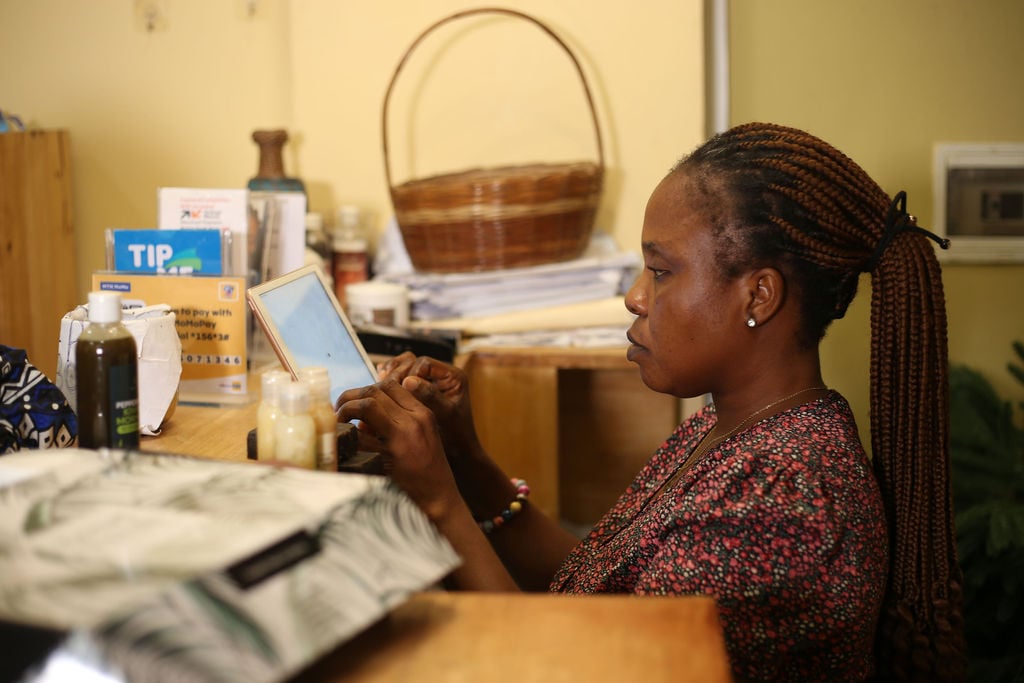

5m+
People trained using the GSMA Mobile Internet Skills Training Toolkit (MISTT) in 2024-2025, bringing the total to

80m+
people trained by 50+ partners in 40+ markets since 2016.

8
governments took steps to create an enabling environment for digital inclusion in 2023–2025.

15
MNOs signed the Principles for Driving the Digital Inclusion of Persons with Disabilities
We provide critical data and insights on global connectivity trends and barriers to digital inclusion that inform the actions of MNOs, policy makers and other partners.
In 2025, this data was used by governments, MNOs and other stakeholders to better understand the state of mobile internet connectivity in the countries where they operate and the challenges that underserved communities face in getting online and using the internet.
Two flagship publications – the GSMA Mobile Connectivity Index (MCI) and The State of Mobile Internet Connectivity (SOMIC) report – provide critical data and insights for mobile industry partners, enabling them to measure progress and inform efforts to drive increased digital inclusion.
- SOMIC report: A comprehensive overview of the trends in global connectivity, and insights into the key barriers to mobile internet adoption and use.
- Mobile Connectivity Index: The MCI measures the performance of 173 countries on key enablers of mobile internet adoption: infrastructure; affordability; consumer readiness; and content and services.
65
of the world’s population are now using mobile internet
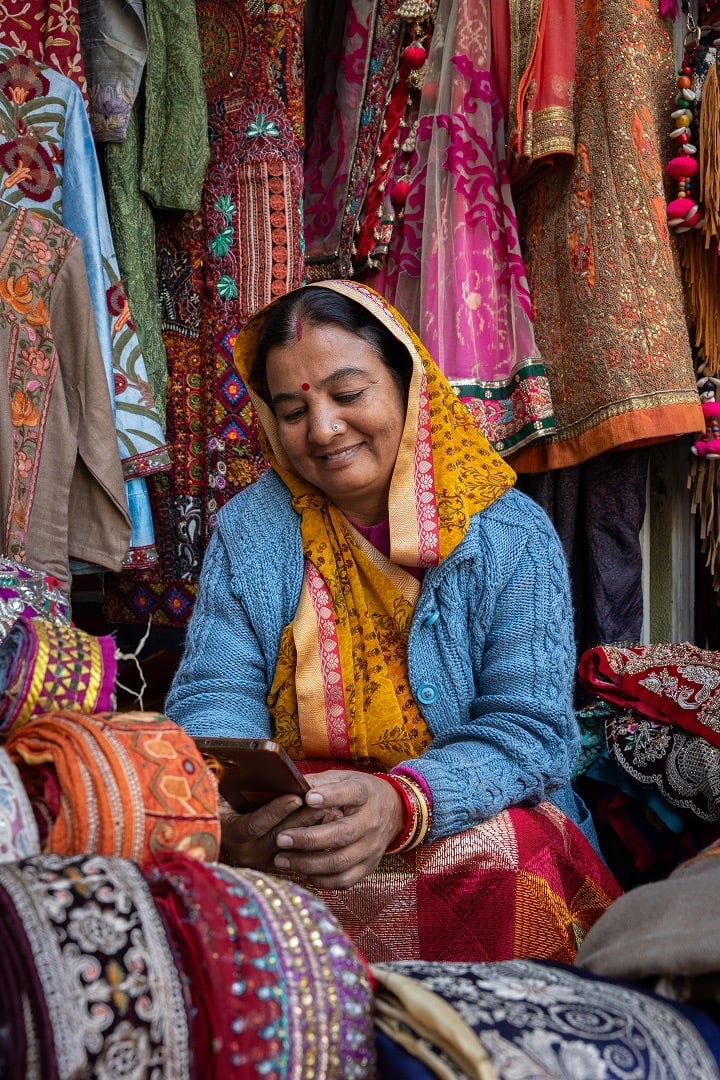
200m
people started using mobile internet in 2024
38%
of the world’s population live within mobile broadband coverage but are not using it
4%
of the world’s population are still not covered by mobile broadband
93%
of the unconnected live in LMICs
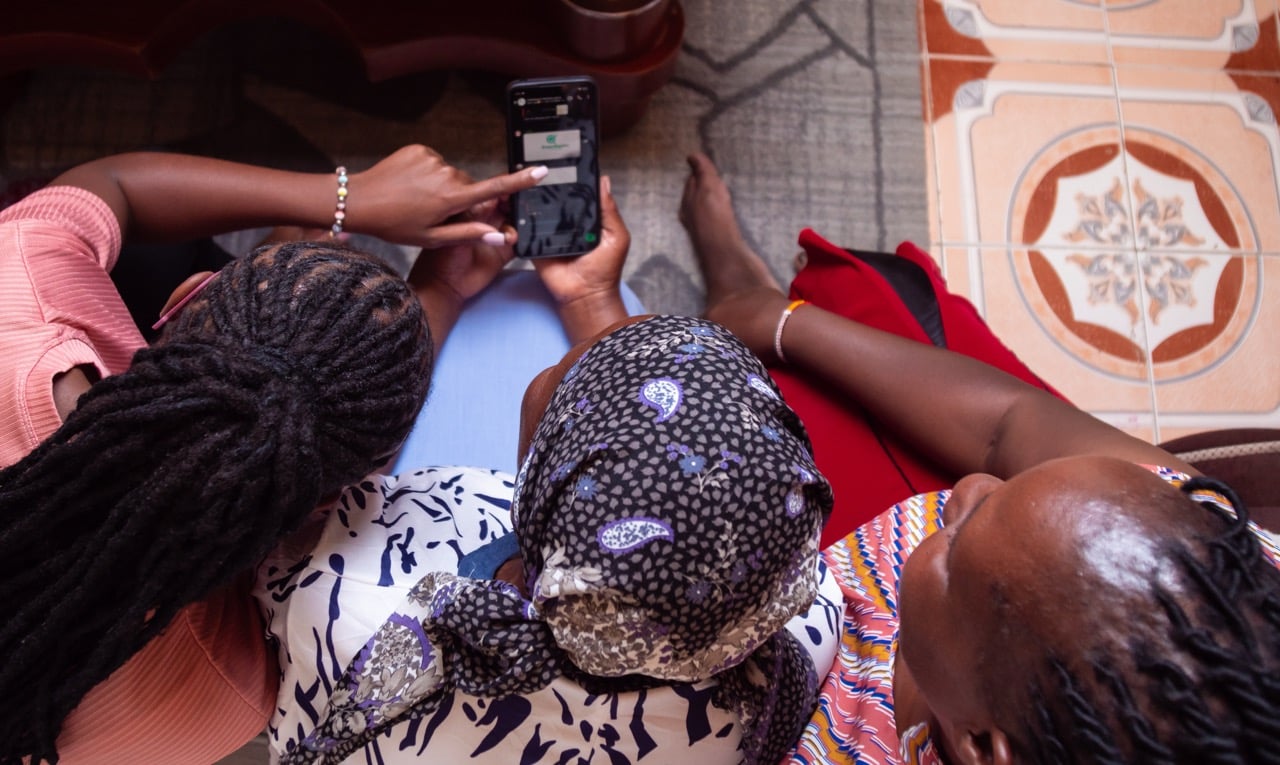
54%
of the world’s population own a smartphone

The top barriers to mobile internet adoption are affordability and literacy, and digital skills
1.6BN
A device of $30 could make handsets affordable to 1.6bn people

The top barriers to further use are safety and security, affordability and connectivity experience
The critical issues identified in our flagship reports guide our advocacy and engagement with public- and private- sector partners, driving tangible commitments and investments to accelerate digital inclusion for the underserved.
MNOs, policy makers and other stakeholders rely on our data, strategic advisory support and tools to address key barriers to digital inclusion and accelerate mobile internet adoption among underserved groups. As part of our support to partners, we share bespoke data and analysis on the barriers to digital inclusion in areas where they are working, as well as insights and lessons on how to address these barriers and drive mobile internet adoption and use for underserved groups.
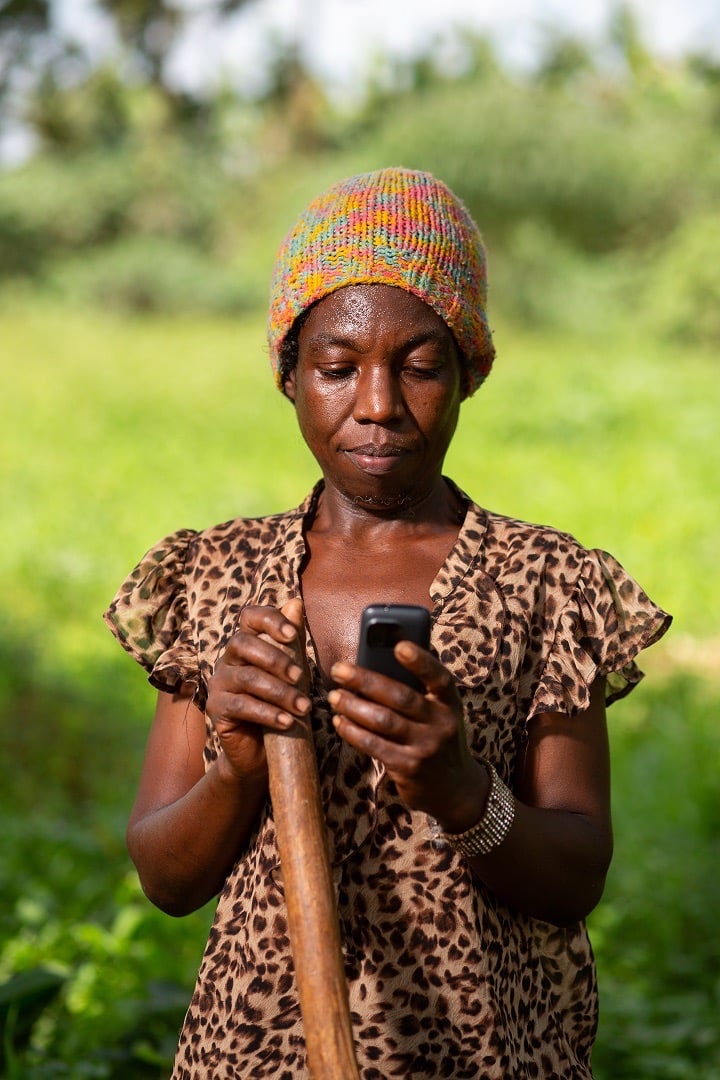
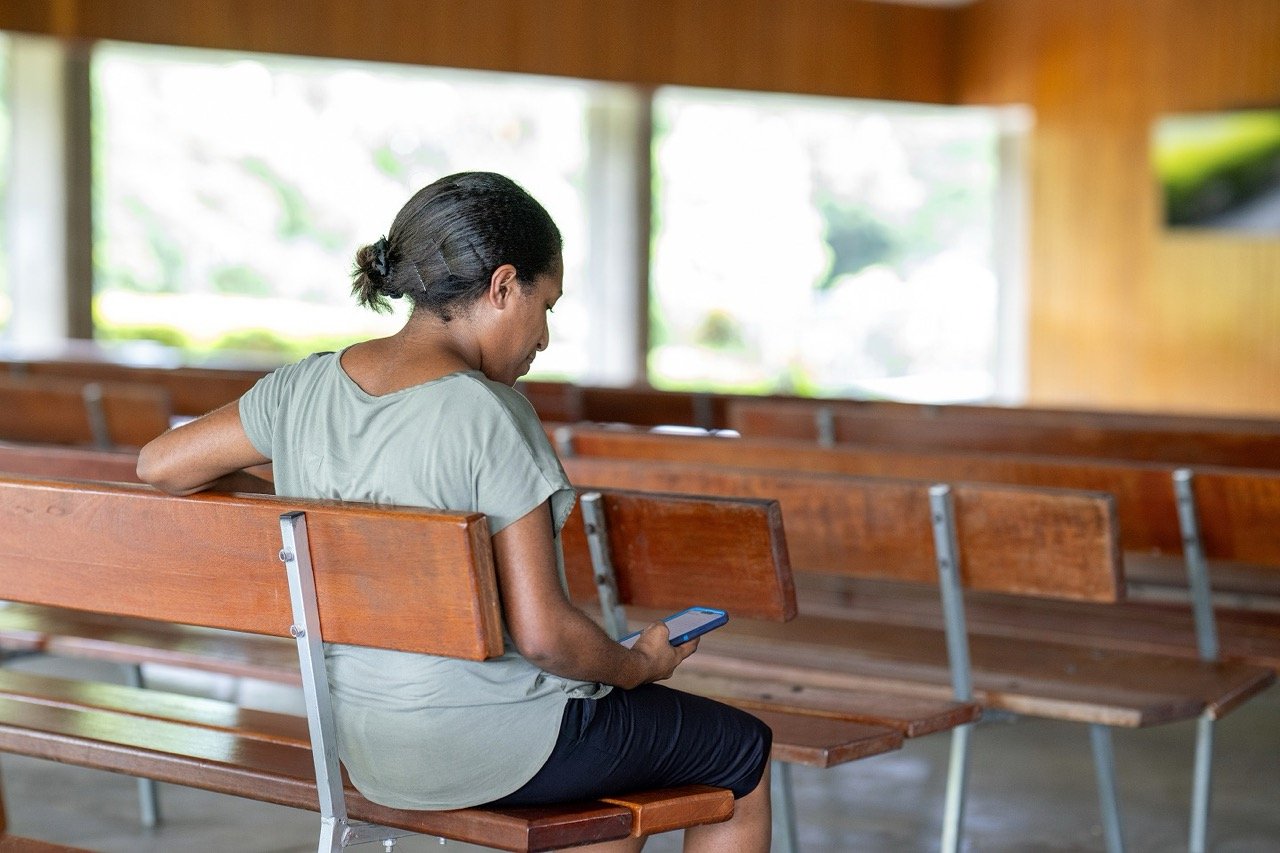
A key area of impact has been supporting the delivery of digital skills training. We have developed and continue to expand our Mobile Internet Skills Training Toolkit (MISTT), which is a set of free resources for teaching people the basic mobile digital skills they need to access and use mobile internet. We also provide partners with advisory support to deliver digital skills training to underserved communities, including women. This has enabled partners in various countries to increase digital skills and awareness, two key barriers that prevent many people from benefiting from mobile internet. Over the last two years, we have continued our work with partners to roll out tailored mobile internet skills training. Between 2023 and 2025, we worked with 12 MNOs and seven other partners to offer skills training, helping more people access and use the internet with confidence.

5m+
people were reached across 16 countries in 2024 through our partners using our MISTT training resources.
An example of MISTT in action comes from MTN Uganda, which wanted to boost mobile connectivity and smartphone sales , especially for their its Kabode device, a low-cost smartphone. In 2024, the GSMA delivered a train-the-trainer session and supported MTN to implement MISTT in all its stores in Kampala. The programme provided staff with practical tools and tailored materials to educate and support customers, particularly women, 2G phone users, and underserved groups, helping them understand the benefits of smartphones and mobile internet. By November 2024, more than 11,000 customers had received training, boosting Kabode sales, store traffic, and data usage among trained customers. Staff also reported greater confidence and stronger customer relationships. Building on this success, MTN is expanding the MISTT initiative to more stores across Uganda, demonstrating the impact of in-person, tailored education to drive digital inclusion and business growth.
We are working with MNOs, governments and ecosystem partners to make internet-enabled devices more affordable for underserved communities in LMICs. The GSMA report, Making internet-enabled phones more affordable in low- and middle-income countries, and our latest report on Affordability of Internet-Enabled Handsets and Data, provide thought leadership and practical guidance to address affordability barriers at scale. To date, we have engaged more than 40 partners – sharing insights and, best practices, facilitating partnerships, and providing bespoke technical support for inclusive handset affordability interventions.
The GSMA Handset Affordability Coalition is a global coalition of more than 25 members driving innovative solutions to improve handset affordability in LMICs across Africa and Asia. The Coalition coordinates collective action, shares evidence and essons and unlocks scalable solutions to expand access to internet-enabled devices, particularly for women and other underserved populations.
We are engaging with MNOs on to support digital inclusion for persons with disabilities. Mobile phones can be powerful assistive tools for inclusion and participation due to built-in features and assistive technology (AT) apps, with mobile internet providing access to critical information, healthcare, education, e-commerce, financial services, and income-generating opportunities.
To help address the barriers that persons with disabilities face, including affordability, limited digital skills and low perceived relevance, the GSMA developed the Principles for Driving the Digital Inclusion of Persons with Disabilities. This framework guides MNOs in making mobile technology more accessible and inclusive. Since its launch in 2020, 18 MNOs have signed on. Early signatories such as Dialog, Orange, Safaricom, Telefónica and Vodacom South Africa, recommitted in 2025, with Vodacom Tanzania joining in 2024. In 2025, nine more MNOs came on board, representing more than 11 countries. These signatories have committed to actions to increase the digital inclusion of persons with disabilities. This includes improving the accessibility of their products, services and customer touch points, implementing disability-inclusive awareness campaigns and providing digital skills training for persons with disabilities.
Helping MNOs support persons with disabilities
Deaf customers in Sri Lanka face communication barriers when accessing mobile services in-store, limiting their ability to engage independently and confidently. Recognising this, Dialog Axiata Sri Lanka (‘Dialog’) took early steps to improve accessibility by training a group of frontline staff in Sri Lankan Sign Language (SLSL). However, high staff turnover and inconsistent language proficiency made it difficult to maintain service quality across all Dialog stores. Recognising these challenges, Dialog adopted a tech-enabled solution. The GSMA facilitated the connection between Dialog and DeafTawk, a GSMA Innovation Fund grantee that provides a real-time sign language interpretation app for Deaf people. Dialog has integrated the DeafTawk app on tablets in 23 stores, providing on-demand interpretation for Deaf customers. Following the success of this initiative, Dialog plans to expand this solution to its 110 franchise locations. Meanwhile, the GSMA has continued to share data and insights on reaching and supporting persons with disabilities.
Accelerating digital inclusion cannot be achieved without collaboration – all stakeholders working together to address the various and inter-connected barriers to digital inclusion. Drawing on our insights and data (in particular from the SOMIC and MCI) as well as tools such as the MISTT, we help policy makers understand, prioritize and address digital inclusion challenges and the barriers to mobile adoption and use, particularly for the underserved.
Over the past two years we ha’ve focused on raising awareness and understanding of the state of digital inclusion, barriers and opportunities. We ha’ve done this through our capacity building courses and workshops with policy makers, technical advisory support for the development and implementation of specific policies, and our participation in international forums and convenings. Many partners have also integrated MCI data in their own initiatives to formulate evidence-based digital policies. The UNCDF, for instance, uses MCI data in its Inclusive Digital Economy Scorecards (IDES), which have informed digital assessments in 33 countries and 17 draft and 10 enacted policy actions globally. For example, the Ministry of ICT and National Guidance in Uganda has used IDES to develop its digital transformation roadmap.
We also contribute into international processes. In preparation for the 2024 G20 Leaders’ Declaration, we submitted inputs to both the B20 Digital Transformation Task Force and the Women 20 (W20) process that highlighted the importance of digital skills to digital inclusion. Following these inputs, paragraph 78 of the final 2024 G20 Leaders’ Declaration explicitly recognises that “digital literacy and skills are essential to achieve meaningful digital inclusion” – a recognition that was not included in the 2023 declaration.
Insights drive advocacy: supporting policymakers to overcome digital inclusion barriers
Governments use GSMA data and insights to design and implement strategies, policies and initiatives – either independently, or through GSMA capacity building courses and technical advisory support and input. Our robust, country-specific data is shared with policymakers in capacity building courses such as the Addressing the Digital Divide course, as well as MCI workshops, allowing them to clearly see the issues, barriers and opportunities surrounding digital inclusion. For example, by the end of 2024, the GSMA Digital Inclusion team had trained more than 400 policymakers on the MCI in workshops with the governments in Malawi, Nigeria, Pakistan, Zambia and, Zimbabwe, as well as with regional telecommunications bodies in Central and Southern Africa. The MCI workshops are often organised in partnership with the Ministry of ICT or the telecoms authority, inviting diverse stakeholders from MNOs to, various ministries and international development partners.
MCI data, combined with technical assistance from the GSMA, directly supports government ministries to develop policies and strategies. For instance, in March 2024, the Malawi Communications Regulatory Authority (MACRA) invited the GSMA to deliver a workshop on the MCI. Bringing together government stakeholders, including the Ministry of Finance, the workshop provided a platform to analyse digital inclusion challenges through MCI data, which highlighted persistent barriers such as affordability and digital skills. Device affordability quickly emerged as the leading barrier to mobile internet adoption in Malawi, where high device costs disproportionately impact low-income and underserved communities. Taxation policies were identified as a critical area for reform, and the Digital Inclusion team prepared an outcome report with tailored recommendations that, included reducing import duties on handsets. In late 2024, the government announced the removal of import taxes on mobile devices – a reform directly aligned with GSMA recommendations and championed by MACRA. This policy shift represents a significant step towards addressing one of the most persistent barriers to digital inclusion in Malawi.
Working with government partners, we also supported the design of a national digital skills campaign and two digital skills initiatives. One of these initiatives reaching 300 SMEs through the MISTT and a “digital ambassadors” campaign that will train 20,000 people a year. Training began in August 2025, equipping citizens with the skills to confidently participate in Malawi’s digital economy. By combining evidence with hands-on support, the GSMA has ensured that MCI insights translate into measurable progress at the, community-level.

Significant digital divides remain, and coordinated and, targeted action by all stakeholders will be vital to ensure digital inclusion for all. We will continue to influence and support our partners including with data, insights and tools to address the barriers to digital inclusion. Since the majority of those not using mobile internet already live in areas with mobile broadband coverage, we will focus on addressing barriers beyond access, such as handset affordability and digital skills. We will also focus on the most underserved, including those living in poverty, rural communities, women and persons with disabilities. In our increasingly connected world, it is critical that no one is left behind.
