


Mobile and digital technology for climate action
Climate change now underpins many of the risks facing people, markets and institutions around the world. While its reach is global, the burdens of climate change are heaviest in low- and middle-income countries (LMICs). Tackling these impacts requires decisive, systemic action at speed and at scale, with approaches to climate action that reflect local realities and support long-term development.
Digital solutions are uniquely positioned to drive climate action in LMICs by:
- Mitigating the primary driver of climate change by reducing greenhouse gas (GHG) emissions
- Building resilience to the impacts of climate change for the most vulnerable communities
- Driving sustainable use, management and protection of natural resources and the environment in areas exposed to climate stressors
GSMA climate initiatives are designed to unlock the transformative power of digital technology in LMICs and facilitate a transition to low-carbon, climate-resilient and inclusive development. With a focus on cities, climate finance and nature tech, the GSMA ClimateTech and Digital Utilities programmes seek to bridge the gap between digital innovation and climate action by enabling communities to use digital tools that reduce emissions, enhance resilience and support sustainable transitions while meeting commitments to the Paris Agreement. Our work through the Mobile for Humanitarian (M4H) programme also expands access to early warning systems that leverage mobile technology to deliver timely, actionable information to disaster-prone populations, helping communities anticipate and respond to climate-related shocks and disasters and strengthen their climate resilience.
Our impact, 2023-2025
72.2m
People reached
21.7m
People supported to adapt to climate change
£8.6m
In grant funding to 48 startups across 22 countries
79
Mobile industry members in the GSMA Climate Action Taskforce
More than half the world’s population – 4.4 billion people – now live in cities, and this number is rising fast. By 2050, seven in 10 people will be urban residents,1 with more than 90% of growth concentrated in Africa and Asia.2 In LMICs, 58% of people live in intermediary cities – cities with less a million inhabitants.3 Many cities already struggle to meet the basic needs of their growing population like energy, water and sanitation, and inequalities are widening with global development challenges and climate change. Higher temperatures are pushing up sea levels, fuelling more extreme floods, droughts and storms and enabling tropical diseases to spread. The impacts fall heavily on city services, infrastructure, housing, livelihoods and healthcare and energy demand. Yet, cities also drive the climate crisis, with urban areas producing about 70% of global CO₂ emissions, primarily from transport and energy use in buildings.4
Although cities have a critical role to play in tackling the climate crisis, they receive only a small share of the global financing needed to build low-emission, climate-resilient systems, with intermediary cities often neglected in favour of larger cities. Mobile-enabled digital solutions can transform how cities plan, deliver and manage essential services, helping them become people-centred, greener and more resilient.
The GSMA is working to ensure that mobile and digital technology underpins the next generation of inclusive, low-carbon and climate-resilient cities. We are exploring how mobile networks, data and technology such as the Internet of Things (IoT) can improve urban services – from energy access and water management to urban heat and climate risk planning – and we translate insights from our work into policy guidance and financing conversations with city authorities, regulators and development partners.
Recent urban research by the Digital Utilities team has drawn attention to three broad types of digital adoption in cities. The first is the large-scale deployment of digital infrastructure in large and mega-cities supported by national programmes; the second is a renewed focus on new city development globally; and the third is in fast-growing intermediary cities.
In 2025, we published the Digital Foundations: The Path to People-Centred Smart Cities report, which highlights how digital infrastructure and technologies like AI, when anchored by mobile network operators (MNOs), can guide rapid urban growth toward inclusive, resilient and climate-smart development. The report builds on two earlier publications – IoT for Development and IoT and Essential Utility Services – that provided global connectivity data and new estimates for IoT deployments to 2030 and reviewed the extent of adoption of 17 utilities use cases.
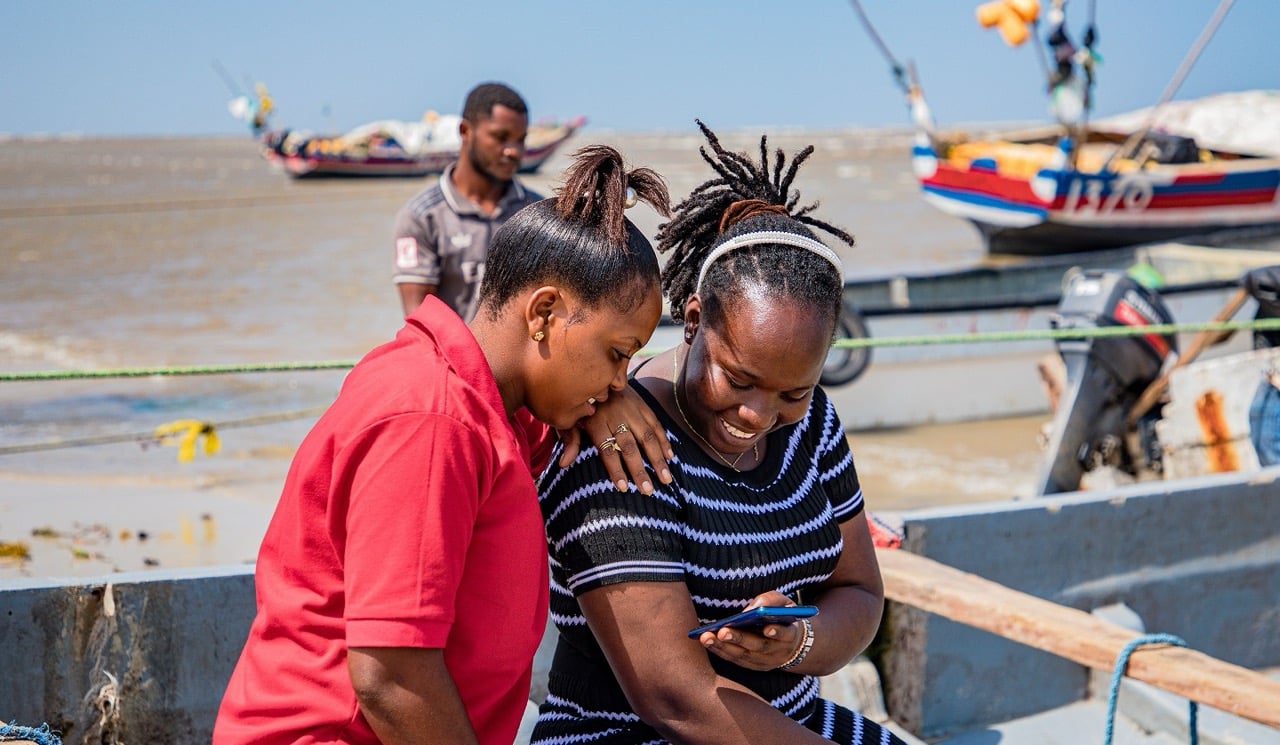
Our Priming Urban Development report picks up this blueprint and plants it where most African urban growth is actually occurring: in intermediary cities of under 1 million people. These towns and small cities have limited fiscal space, autonomy and varied governance, yet they anchor production and transport systems and can capture some of the advantages of greenfield planning while avoiding the pitfalls of expensive retrofits. Drawing on insights across Kenya, Rwanda and Uganda, the research shows how national ministries, municipalities, utilities, innovators and MNOs can align to deploy mobile-enabled solutions despite tight budgets. The research was delivered in partnership with UN-Habitat, the Connected Places Catapult and the Rwanda Smart Cities Hub, building on a collaboration among the organisations to accelerate the adoption of innovation in intermediary cities.
Building on these insights, the GSMA has worked with partners to turn evidence into practical global guidance. We have collaborated with our longstanding partner UN-Habitat to help shape the International Guidelines on People-Centred Smart Cities. Developed through a two-year inclusive consultation process involving key global stakeholders, the guidelines offer a non-binding framework based on four core principles: shared prosperity; digital human rights, equity and inclusion; sustainability, resilience and crisis response; and community participation and collaboration – as well as four enabling conditions, including governance; digital literacy and skills development; digital public infrastructure, data and smart city services; and financing mechanisms. Our engagement has been instrumental in shaping this important non-binding framework, which was presented and adopted at the Resumed Second Session of the UN-Habitat Assembly on 29–30 May 2025 in Nairobi, Kenya, and also featured in UN Habitat’s World Smart Cities Outlook.
More recently, the GSMA served as a convening partner for the 3rd Africa Smart Cities Investment Summit (ASCIS) in Addis Ababa, where discussions built on our earlier engagement with MNOs, including Ethio Telecom, MTN Nigeria, MTN Ghana and Airtel Africa, to help articulate and refine their smart city strategies.
Digital Urban Utilities Forums
Over the past two years, our series of Digital Urban Utilities Forums (DUUF) have convened startups, local government and the private sector in cities such as Lagos, Kigali, Kathmandu, Freetown, Islamabad, Bengaluru and Delhi, to highlight the development and commercial returns associated with innovative service delivery models, draw on our case studies and evidence base to showcase the value of startup-public sector partnerships, provide an opportunity for open and honest reflection on the potential barriers and shortcomings of partnerships and identify opportunities for stronger follow-up engagement.
For example, in November 2024, in partnership with Climate Collective, we hosted a forum in Delhi, India, to discuss challenges and opportunities in scaling smart metering in India. MNOs, policymakers, meter manufacturers, distribution companies (DISCOMs) and smart grid startups, came together to discuss the path forward for India’s smart metering and grid management initiatives.
In March 2025, we partnered with the WASH Innovation Hub at the Administrative Staff College of India to convene the DUUF in response to the escalating water crisis in Bengaluru, India, bringing together water sector experts, ecosystem enablers and startups, to explore digital innovations for sustainable solutions to the city’s water challenges.
At the intersection of industry, government and development actors, we leverage our network and expertise to turn digital ambition into deployed, investable urban infrastructure. Our research builds on more than a decade of experience within the Digital Utilities programme of supporting innovators to pilot, refine and scale digital solutions for urban services, including tools for more efficient utilities, cleaner energy and the circular economy. Most recently, the GSMA Fund for Digital Urban Services and Accelerated Growth Cohort supported nine startups, including Freetown Waste Transformers, ATEC and Koolboks, which collectively raised more than $24 million within one year of grant close. In 2025, two of them made additional large series raises to scale their solutions. In September 2025, Koolboks – a solar refrigeration startup – closed their $11 m Series A round to develop its manufacturing capacity in Nigeria and scale regionally. Also in September 2025, ATEC – a clean energy startup focused on electric cooking and biogas – closed a $15.5 m series raise to scale their clean cooking solution in African and Asian markets.
Freetown Waste Transformers: urban waste management in Sierra Leone
Freetown Waste Transformers is a Sierra Leone-based startup offering a digitalised waste management service in Freetown. Its DortiBox waste app allows businesses and households, particularly in informal settlements, to request organic waste collection, helping to divert the amount of waste going to landfills or discarded in the local environment. The waste is then fed into an anaerobic digestor and converted to clean green energy.
With the support of the GSMA Innovation Fund for Digital Urban Services, Freetown Waste Transformers has enhanced its digitalised solution and streamlined the waste collection process. The initial grant saw more than 300 waste collectors join DortiBox to serve more than 46,500 city residents and divert 12 tonnes of organic waste from landfill and generating 12,205 kWh of clean energy. This was followed by additional support from the Accelerated Growth round of funding, which supported Freetown Waste Transformers to launch Dortibox 2.0 – an upgraded, more inclusive version of its digital waste management platform. A key innovation was the introduction of a USSD service (*380#), developed in partnership with Orange Sierra Leone, which allowed waste collectors and users without smartphones to access the platform. To further expand access, the platform incorporated voice prompts in both Krio and English, as well as visual symbols to support low-literacy users. These improvements addressed a challenge observed during the initial grant, where adoption lagged due to limited smartphone access and low digital literacy among waste collectors. In an important development, Freetown Waste Transformers’ DortiBox app was adopted by Freetown City Council as the official digital infrastructure for citywide solid waste management operations and the company secured a five-year municipal concession for Block 6, covering more than 15,000 registered customers and requiring use of its weekly collection service.
Circular economy models are becoming a critical pathway for cities to cut emissions, reduce pollution and create new green jobs. Digital technologies can underpin this shift by providing the data, traceability and user interfaces that make waste streams visible, valuable and investable.
The GSMA began exploring circularity in 2021 with Digital Dividends in Plastics Recycling, our first deep dive into how mobile-enabled solutions and connectivity can strengthen plastics value chains. In 2022, our Catalysing Partnerships in Plastics report examined how MNOs)and plastics organisations can collaborate – from using mobile money and agent networks to pay and onboard informal waste collectors, to leveraging digital platforms for route optimisation and demand aggregation. In parallel, through the GSMA Fund for Digital Urban Services, we started to move beyond plastics and look at how circular economy principles could apply to a wider set of urban waste streams.
Over the course of our engagement with MNOs in this space, we have seen a shift: from interest in circularity confined mainly to e-waste management and driven by compliance and corporate responsibility concerns, to a more holistic exploration of how mobile networks, data and services can support circular business models. The GSMA has helped facilitate new partnerships between MNOs and locally led waste innovators in LMICs, particularly in East Africa. This includes Safaricom’s collaboration with TakaTaka Ni Mali, a female-led plastic waste management organisation in Kenya, and the engagement of Taka ni Ajira, a Tanzanian waste management company, with major Tanzanian MNOs such as Airtel Tanzania, Vodacom Tanzania, MTN Rwanda and Airtel Kenya. Beyond MNOs, we are also convening peer learning and partnership discussions with eight other plastic recycling organisations – Taka ni Ajira, Coliba (a GSMA Innovation Fund alumni), EnviroServe Rwanda, Ecobrix Uganda, Zoomlion Ghana, Earth Care Plastics Ghana, Upcycle Ghana, Copip Ghana and Recycle-up Ghana – to support knowledge and technology transfer across markets.
In 2024, we consolidated these insights in Making Circularity Work, which takes stock of how and where digital innovation is enabling circular economy models in waste management. Drawing on the GSMA Innovation Fund for Digital Urban Services and the wider ecosystem in Sub-Saharan Africa, South Asia and Southeast Asia, the report highlights growing momentum for city-level, national and global policy change on waste, and how these shifts are creating new markets for circular approaches. Digital solutions from USSD and mobile apps to IoT and data platforms, are helping to translate new policies into practical service models by improving material traceability, enabling inclusive participation of informal workers and giving municipalities and investors the data they need to back scalable circular solutions.
Climate finance directs capital to mitigation and adaptation initiatives. Global needs will exceed $6 trillion a year by 2030, and LMICs currently need about $2.4 trillion but attract far less, leaving a gap of around $1.8 trillion a year. Most flows go to high-income countries (HICs), and little reaches local actors, even though climate-vulnerable communities require urgent investment. Digital technology can widen access, with mobile money, digital marketplaces and data tools helping farmers and other groups traditionally excluded from the financial system build credit profiles and secure loans, credit and insurance. In carbon markets, digital monitoring, reporting and verification (dMRV), remote sensing, AI and blockchain can improve transparency, cut costs and speed payments –essential for the voluntary carbon market (VCM), which is complex, fragmented and often questioned on integrity.
The GSMA works to unlock this finance where it is most needed. We have published guidance on digitally enabled climate finance, supported inclusive innovators through the GSMA Innovation Fund and produced a practical guide and calculator to help startups navigate the VCM. In 2024–25, we also worked with policymakers – including Kenya’s climate envoy – to mainstream dMRV, reduce barriers for smaller projects and channel trustworthy, digital finance to underserved communities. Through the GSMA Innovation Fund, we have also helped startups procure technical assistance to assess their readiness to enter the VCM.

The GSMA VCM Startup Guide is an online toolkit that helps early-stage climate innovators navigate the voluntary carbon market by explaining market structures, integrity standards and key actors. It enables them to assess whether their products or services can generate high-quality credits, and outlines routes to accreditation and revenue, equipping teams with practical tools, case studies and a Carbon Credits Breakeven Calculator to estimate viable volumes and prices so they can judge commercial feasibility before investing. The guide aims to lower entry barriers, improve project quality and connect startups to climate finance through credible participation in the VCM.
Along with tools and support for innovators, we work through strategic partnerships to mobilise digital climate finance for vulnerable communities. A joint brief, Digital Pathways to Land Resilience: Mobilising Climate Finance, was published with the UNCCD Global Mechanism to amplify the potential for digital solutions in climate finance, with a specific focus on reaching vulnerable communities affected by land degradation and drought. The brief was published and promoted for the UNCCD COP16 Finance Day. The GSMA is also providing technical assistance master classes to digital innovators (e.g. the MTN-WWF Pachi Panda challenge that supports young innovators to scale technology and digital solutions for climate resilience and adaptation) and facilitating ecosystem partnerships (e.g. Safaricom-4RD, to develop their dMRV Carbon Exchange platform, CaVEx).
Strengthening Kenya’s carbon markets
Based on the insights from our 2020 publication, Digital Dividends in Natural Resource Management, and our more recent publication, Digitally Enabled Climate Finance, the GSMA was recognised by the Office of the Special Climate Envoy for Kenya, leading to a significant policy engagement. This engagement advocates for the use of digital services and mobile money as enablers of credible and transparent climate finance. The GSMA and the Office of the Special Climate Envoy hosted a joint stakeholder’s workshop in Nairobi to showcase digital solutions being implemented by startups and MNOs to strengthen carbon markets in Kenya.
As a result of these engagements, both Kenyan market players and the regulator, CBK, are keen to adapt digital technology and tools to build trust and strengthen the integrity of carbon markets, as highlighted in the Government of Kenya’s 2025 publication, Unlocking Kenya’s Carbon Market Potential. Kenya’s carbon markets are now open to supporting the integration of digital technology and tools in climate finance, with the Kenyan government in the process of developing a national dMRV platform. Additionally, during London Climate Action Week, the Special Climate Envoys from Kenya, the UK and Singapore launched a new government-led coalition.
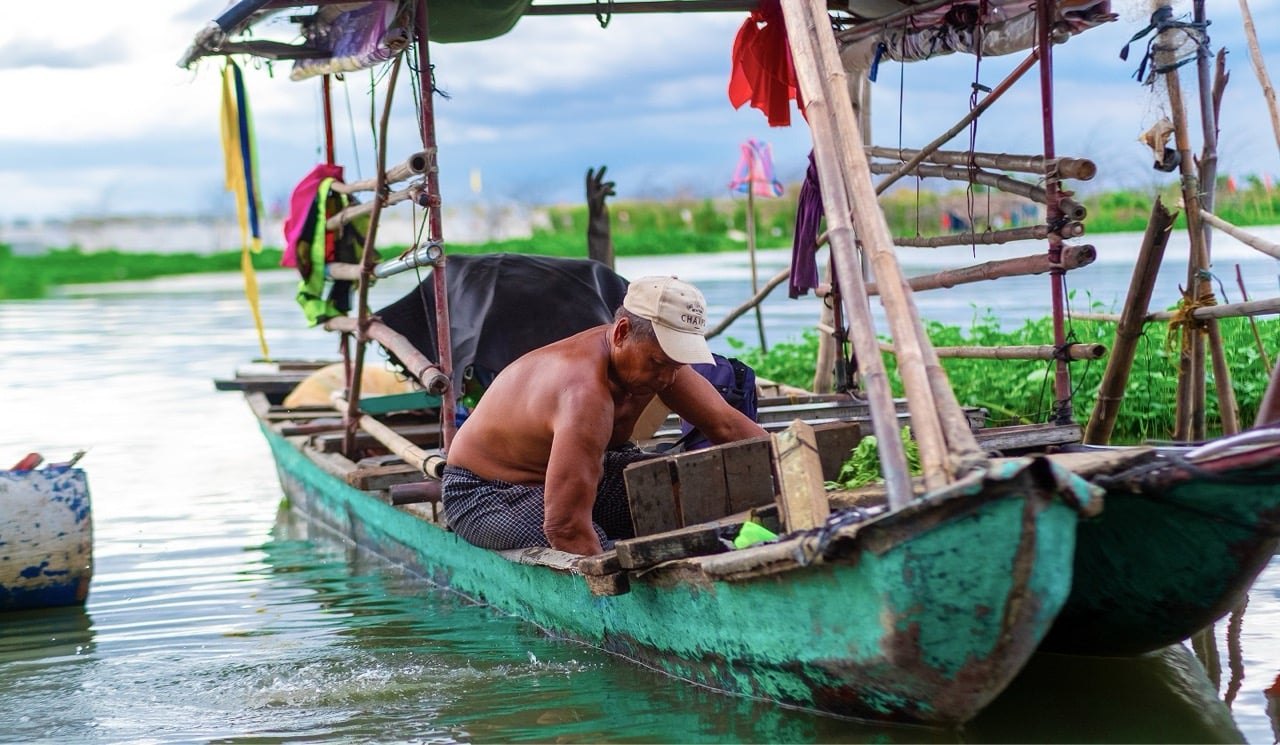
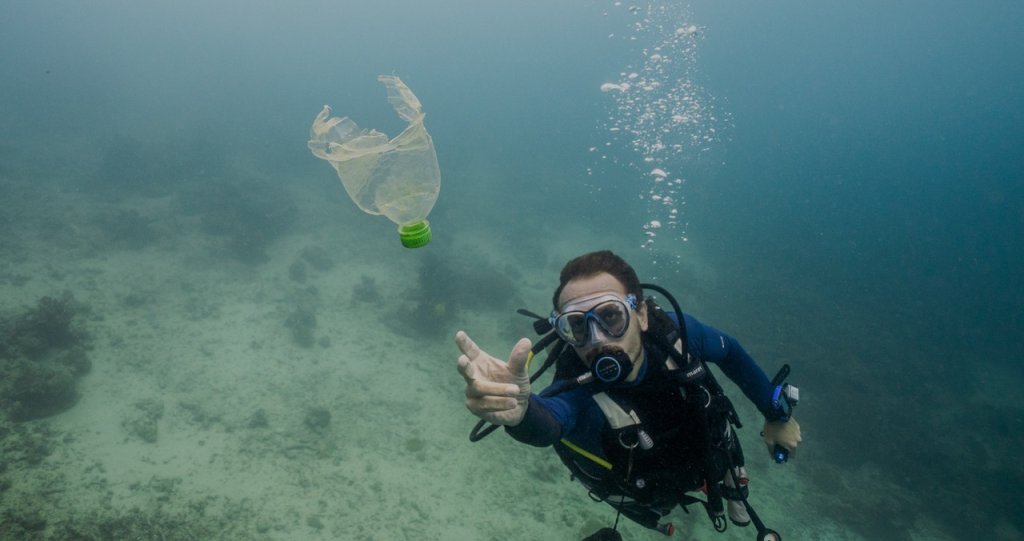
Nature tech is the use of mobile and digital tools to protect, manage and restore ecosystems and the natural capital on which people depend. It includes real-time monitoring and Earth observation, IoT sensors and AI analytics, drones for restoration, early warning systems and digital marketplaces that connect coastal and rural communities to buyers and finance. The need is urgent – globally, wildlife populations have dropped 73% in the past 50 years5 and 40% of land is degraded, undermining food security, ecosystem health and climate resilience. LMICs hold much of the remaining biodiversity and depend on natural capital, yet face the greatest risks.
Biodiversity and thriving ecosystems are essential for climate stability and sustainable livelihoods across the world’s land, oceans and lakes. The stakes are clear, with more than 3 billion people relying on aquatic ecosystems for food and livelihoods. Aquaculture contributes around 0.5% of global greenhouse gas (GHG) emissions, underscoring its growing role in food systems and the importance of scaling it sustainably.6 Digitally-enabled management can reduce impacts and improve outcomes for people and nature alike, but models to scale it are nascent and adoption is uneven.
Against this backdrop, the GSMA has been building the evidence base, catalysing innovation and advocating for policy and investment that put digital technology to work for nature. Our research has defined the concepts, benchmarks and narratives shaping global conversations on mobile for development. We publish landscape reports on natural resource management and blue economy opportunities, and collaborate with multilateral institutions including UNCCD, IUCN and UNDP, to champion practical pathways for deployment. In parallel, through the GSMA Innovation Fund, we have supported local digital innovators such as Dayaxa, J-Palm, Sommalife, Monsoon Tea Company and HydroNeo.
The nature tech nexus: bridging biodiversity and business
The 2024 GSMA ClimateTech report, The Nature Tech Nexus: Bridging Biodiversity and Business, finds a sector nearing a tipping point. It notes a biodiversity financing gap of more than $700 billion annually to 2030,7 despite the urgency affirmed by the Kunming-Montreal Global Biodiversity Framework (GBF) adopted at COP15 in 2022.
However, new disclosure rules and global agreements are acting as a catalyst for companies, including MNOs, to set biodiversity strategies, targets and monitoring, reporting and verification (MRV) systems while, in parallel, demand is growing for tools that can verify outcomes and direct finance to what works. Scaling effective, high-impact digital solutions will be pivotal to mitigate and ultimately reverse biodiversity loss, yet most startups working in this area are still in an early stage and rely on grants, highlighting the need for clearer, investable business models and revenue streams that benefit people, nature and investors.
The research maps mobile and digital solutions tackling biodiversity challenges across LMICs and examines the role of MNOs in biodiversity action. It underscores four accelerators for mainstreaming nature tech: sharper, comparable biodiversity measurement across time and place; rigorous disclosure and standards; clearer evidence of supply chain and operational risk; and rising expectations from society and investors. As these align, nature tech will scale from conserving and restoring ecosystems to transforming supply chains and verifying impacts, strengthening the business case and mobilising capital. The research insights have been shared at key events, including the Tech4Nature Summit 2024 in Shenzhen, China, co-hosted by IUCN and Huawei, as well as COP16 in Cali, Colombia.
In late 2024, we analysed how mobile and digital solutions can advance a sustainable blue economy in LMICs. At the core is the Blue Tech Heatmap, which assessed 148 innovations across blue economy-driven LMICs, offering a data-driven snapshot of technologies helping countries meet a twin mandate: protect ocean ecosystems while enabling low-carbon, inclusive growth. Around 40% of mapped solutions focus on fisheries and aquaculture, where platforms, apps and IoT are transforming traceability, monitoring and resource management. Another fifth concentrate on blue carbon and ecosystem resilience, drawing heavily on location data, GIS and spatial mapping that remain underused in adjacent sectors. The map highlighted Southeast Asia’s stake in the blue economy – accounting for roughly 40% of innovations, with Indonesia being a major hub. The heat map highlights the need for regional data coordination, de-risking investment and creating a stable policy environment for blue economy innovations, particularly in Small Island Developing States (SIDS). Following the UN Ocean Conference in June 2025, the GSMA has been collaborating with UNDP on a study for policymakers to highlight the role of digital innovation in the blue economy.

Digitalising shrimp aquaculture: IoT for shrimp farming in Indonesia
Indonesia is the world’s second-largest exporter of shrimp, with aquaculture contributing more than $2.2 billion to the economy. While traditional farming systems dominate in numbers, they lag in productivity and are vulnerable to climate change, water salinity fluctuations and disease outbreaks. Expansion often comes at the expense of mangrove ecosystems, highlighting the need for solutions that balance productivity and sustainability.
IoT technologies are increasingly seen as part of this solution. They enable smarter resource management, improve environmental monitoring and support data-driven decisions. The GSMA recently supported aquaculture startups in Kenya and Thailand through the Innovation Fund, and in 2025, with the support of the ICENERGY Institute, The Social Investment Consultancy (TSIC) and Indosat Ooredoo Hutchison, the GSMA conducted an evaluative study of how IoT is being used in shrimp farming in Indonesia and the extent to which it is having positive socio-economic and environmental impacts.
IoT in shrimp farming involves smart devices that monitor and automate pond conditions. There are three main use cases in Indonesia:
- Water quality monitoring tracks pH, temperature, dissolved oxygen and salinity in real time and alerts farmers when parameters go out of range.
- Feeding automation dispenses feed based on optimal timing, improving feed conversion ratios and reducing waste.
- Aeration systems automatically activate paddle wheels when dissolved oxygen drops, improving energy efficiency.
We found that shrimp farmers benefit economically from using IoT, due to both productivity gains and operational efficiency. Farmers are seeing that feeding automation improves daily growth rates, with some reports of harvest cycles being shortened by up to 10 days. Smart aerators can reduce electricity costs significantly, with some reports of production costs being cut by up to 30%. In intensive farms, IoT aligns well with business models and resource availability, whereas in traditional settings, high costs, unreliable connectivity and limited digital literacy can be significant barriers to adoption. Traditional farmers often discontinue IoT use after pilot support ends due to affordability constraints and relatively lower returns compared to more intensive or semi-intensive farmers.
Promising initiatives are emerging. In 2023, Indosat Ooredoo Hutchison and the GSMA piloted IoT-powered shrimp farming in North Kalimantan, combining water quality sensors with geospatial tools to track mangrove coverage. Data flowed via smartphones into a shared platform, enabling farmers to make better management decisions. The pilot has since expanded to four additional provinces, demonstrating the potential for scaling digital aquaculture practices in tandem with ecosystem conservation.
IoT in Indonesia’s shrimp sector has now reached a national scale, attracting multi-stakeholder investment and catalysing innovation. The technology has strong potential to increase productivity, improve farmer incomes and reduce environmental pressures. However, its success depends not just on smart devices, but also on inclusive delivery models, regulatory clarity and local support systems. The future of shrimp aquaculture in Indonesia will be defined not simply by the spread of IoT, but by how well it empowers farmers, safeguards ecosystems and sustains livelihoods for generations to come.

Monsoon Tea Company: biodiversity-friendly tea farming in Thailand
Monsoon Tea Company is a Thailand-based startup that has pioneered the use of IoT bio-acoustics sensors and mobile technology to incentivise biodiversity and forest-friendly tea farming in Northern Thailand. The GSMA Innovation Fund grant helped Monsoon Tea Company develop a digital biodiversity measurement process, which includes the use of bio-acoustics sensors to determine biodiversity richness based on insect and bird sounds. The company now provides farmers with premium payments as a financial bonus based on verified positive ecological impacts on their tea farms. The grant also supported the development of a web app for both individual and corporate buyers, providing traceability information about the tea’s provenance.
GSMA research showed that while many partner farmers already adhere to traditional sustainable farming practices, Monsoon Tea empowered them with deeper ecological insights. It successfully preserves indigenous farming methods while increasing local incomes through formal recognition of their environmental impact.

The progress and initiatives detailed in this chapter reflect the expansive role of digital technology in addressing the climate crisis. Our work in areas like cities, carbon credits and nature tech provide insights, lessons and roadmaps for how mobile and digital technology can be used to build a more sustainable and equitable future. In the coming year, we will continue to scale our impact in urban climate resilience and climate finance. We will also build on our work in energy, headlined by the launch of a new Innovation Fund designed to catalyse transformative solutions in the sector.
- UNDP. (2025). “Urban Development”, UNDP website. ↩︎
- UNDESA. (2019). World Urbanisation Prospects: The 2018 Revision ↩︎
- UN Habitat. (2022). Intermediary Cities and Climate Change: An Opportunity for Sustainable Development. ↩︎
- IPCC. (2022). Climate Change 2022: Mitigation of Climate Change. Contribution of Working Group III to the Sixth Assessment Report of the IPCC. ↩︎
- WWF. (2024). Living Planet Report 2024: A System in Peril. ↩︎
- FAO. (2024). Integrating blue foods into national climate strategies. ↩︎
- Convention on Biological Diversity. (2022). “Outcomes”. United Nations Biodiversity Conference website. ↩︎
