The Digital Utilities Partnerships Hub
The Digital Utilities Partnerships Hub is our single source of information on innovative solutions and their role in making utility services in low- and middle-income countries (LMICs) more affordable, accessible, safe and sustainable.
Select a city to find out more:
Government-innovator partnerships in Lagos
Find out moreGovernment-innovator partnerships in Islamabad
Find out moreGovernment-innovator partnerships in Kigali
Find out moreGovernment-innovator partnerships in Kathmandu
Find out moreGovernment-innovator partnerships in Freetown
Find out more


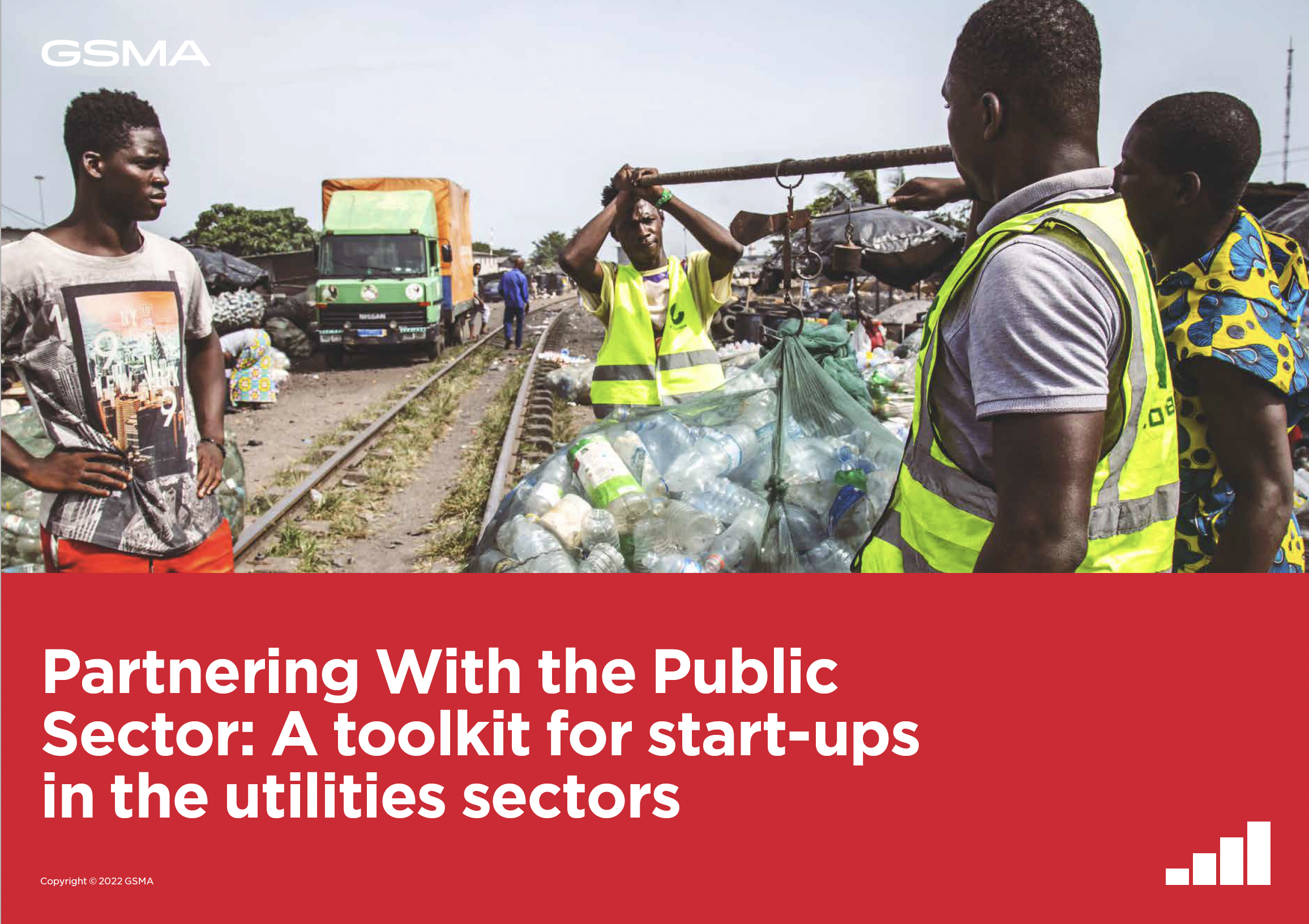
Partnering With The Public Sector: A toolkit for start-ups in the utilities sectors
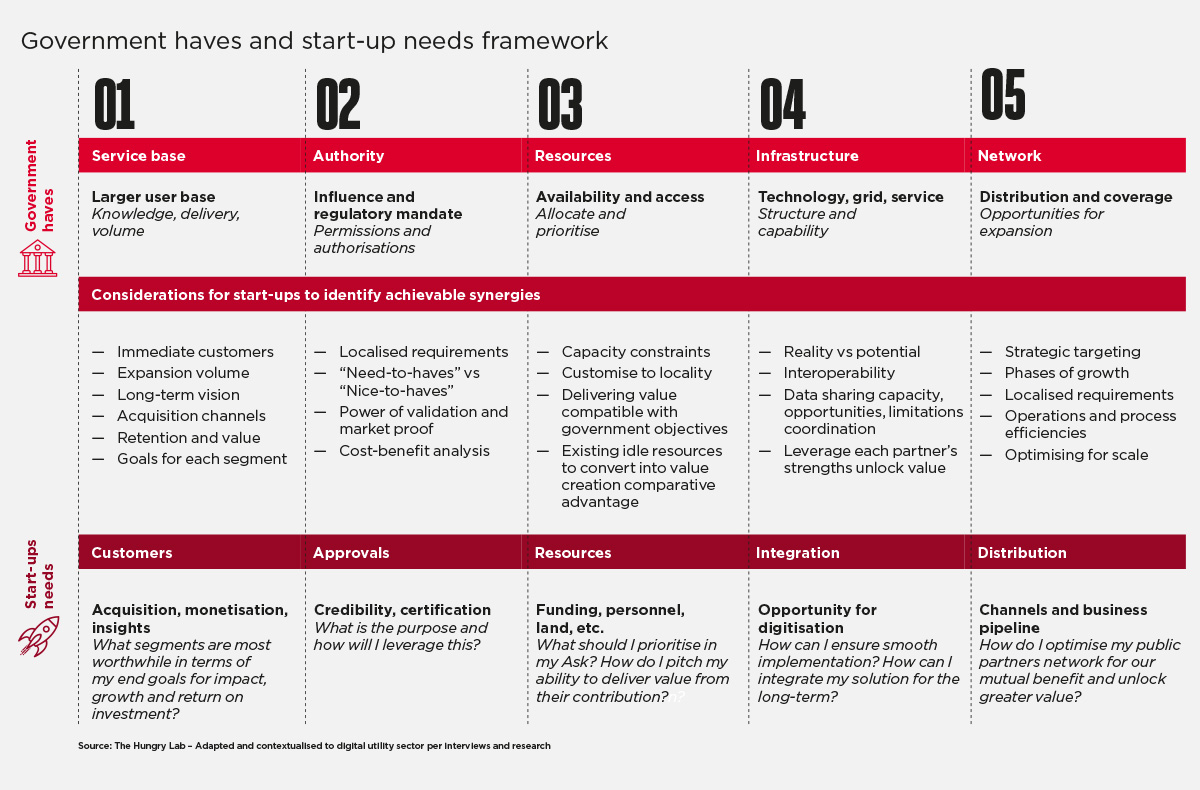
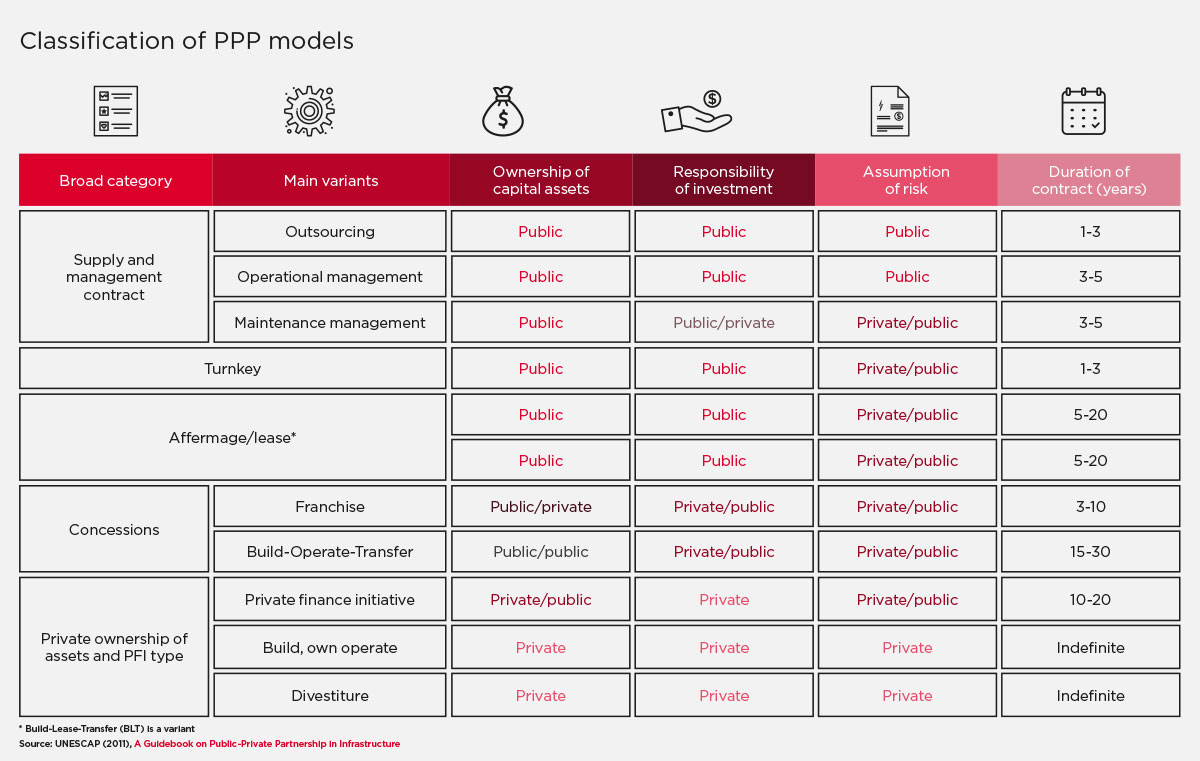
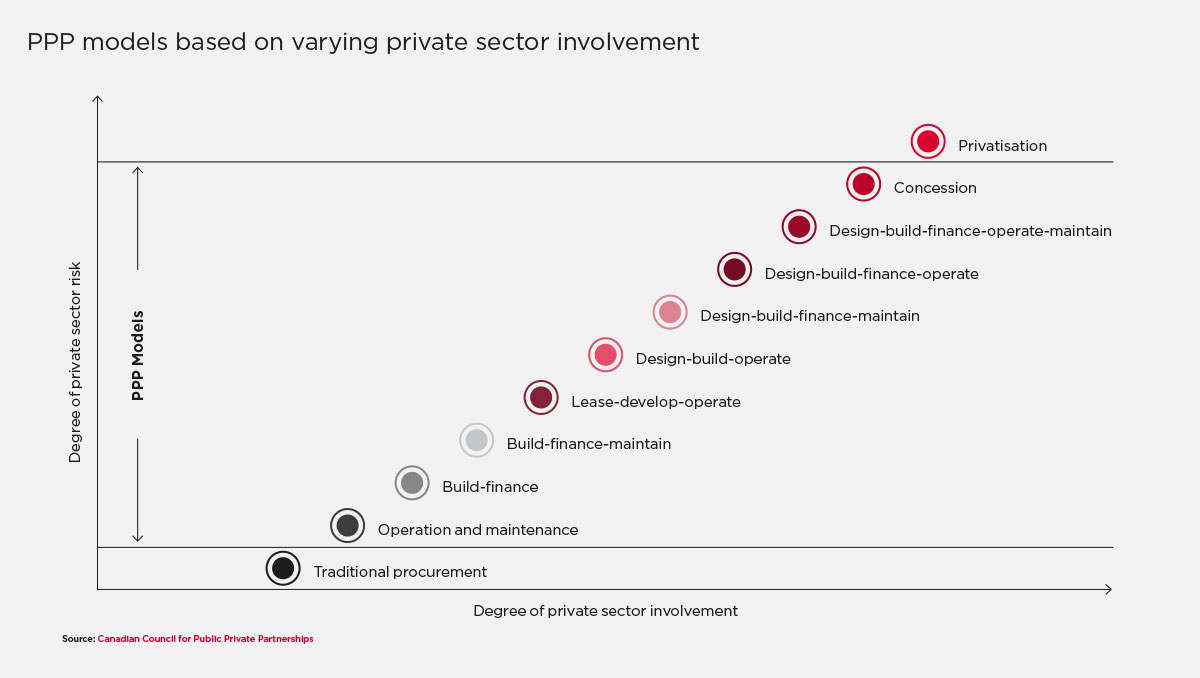
Our start-up – public sector partnerships toolkit sets out the current context, challenges, opportunities and practical implementation steps needed to foster successful partnerships which leverage digital technology to improve urban utility service delivery in low- and middle-income countries.
Partnering With The Public Sector
Read the toolkitDigital Urban Utilities Forums
Digital urban utilities forums are GSMA-organised events (online or physical) that bring together start-ups, local government officials, regulators, enabling organisations, and private sector partners in a city. Their aim is to discuss the barriers and opportunities associated with public-private collaboration for improved urban service provision. The forums underline the developmental and commercial returns associated with innovative service delivery models, draw on impactful case studies that showcase the value of start-up public sector partnerships, create a forum for open and honest reflections about potential partnership barriers and shortcomings, and identify relevant opportunities for deeper follow-up engagement.
The objectives of the workshops are:

Highlight how digital innovation can help the public sector more effectively meet its public policy and service delivery objectives.

Encourage public-sector stakeholders to enable delivery models that reach low-income urban populations living in informal settlements.
Explore how to overcome challenges associated with start-up-government partnerships.

Encourage an enabling environment for digital innovations to thrive.

Help start-ups understand opportunities associated with government engagement.
Innovating for Bengaluru’s Water Security
Government-innovator partnerships in Lagos
Government-innovator partnerships in Islamabad
Government-innovator partnerships in Kigali
Government-innovator partnerships in Kathmandu
Government-innovator partnerships in Sierra Leone
IoT Solutions for Smart Cities: Digital Urban Utility Forum on smart metering in New Delhi
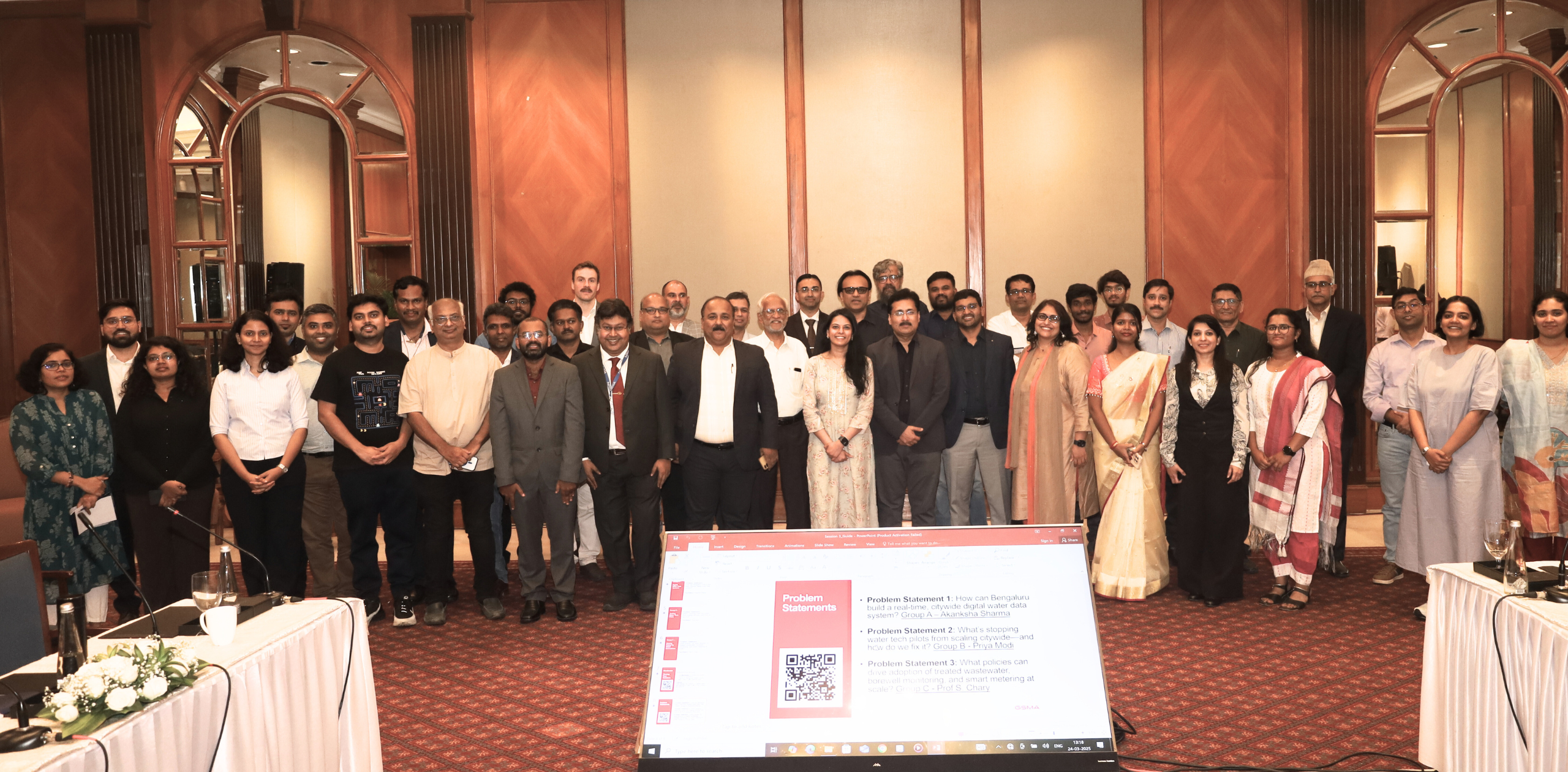
The Digital Utilities programme and the WASH Innovation Hub at the Administrative Staff College of India convened the Digital Urban Utilities Forum (DUUF) in Bengaluru in March 2025. The forum brought together water sector experts, ecosystem enablers, and startups to explore digital innovations for addressing the city’s escalating water crisis.
Discussions focused on solutions such as AI-driven groundwater monitoring, IoT-enabled borewell management, smart metering, and water reuse. The convening also featured panel discussions on pioneering technologies and the role of policy, partnerships, and community engagement in scaling digital water solutions across Indian cities.
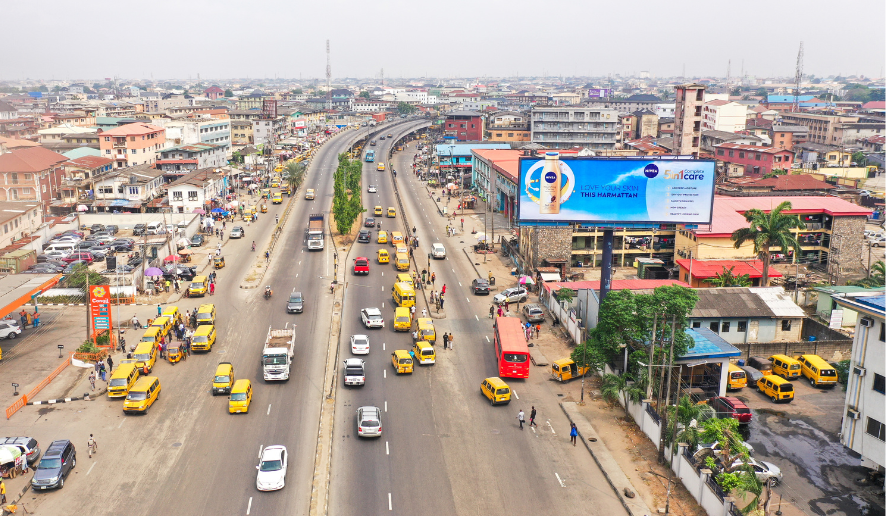
In collaboration with Utopia, an urban innovation group, the workshop focused on driving government-innovator partnerships in the sustainable transport and waste management sectors.
We convened over 25 participants from both the public and private sectors as well as mobile operators, enabling organisations, and civil society.
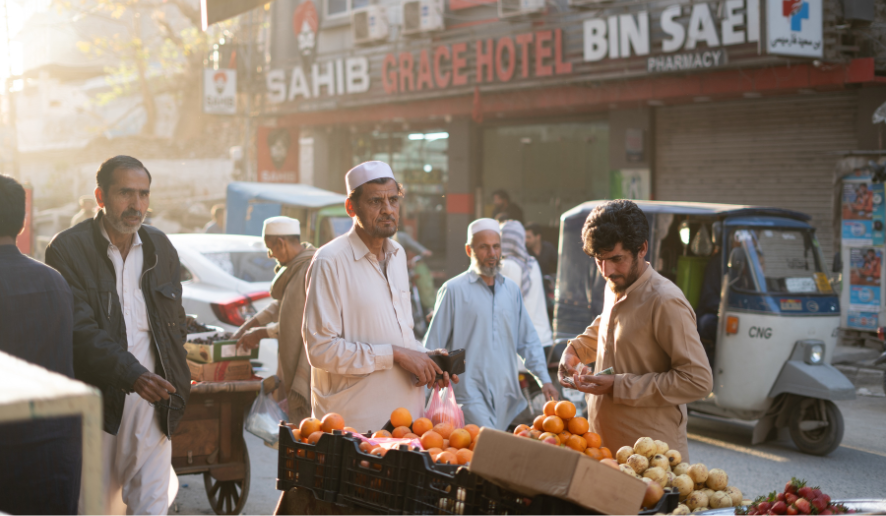
The GSMA Digital Utilities programme, in partnership with National Incubation Center Pakistan, hosted a virtual workshop with over 100 participants and 20 panelists from the public- and the private sector.
This provided a forum for these stakeholders to discuss key challenges and opportunities for public-private partnerships in three thematic areas: Water and sanitation; clean cooking; and investments in climate-tech
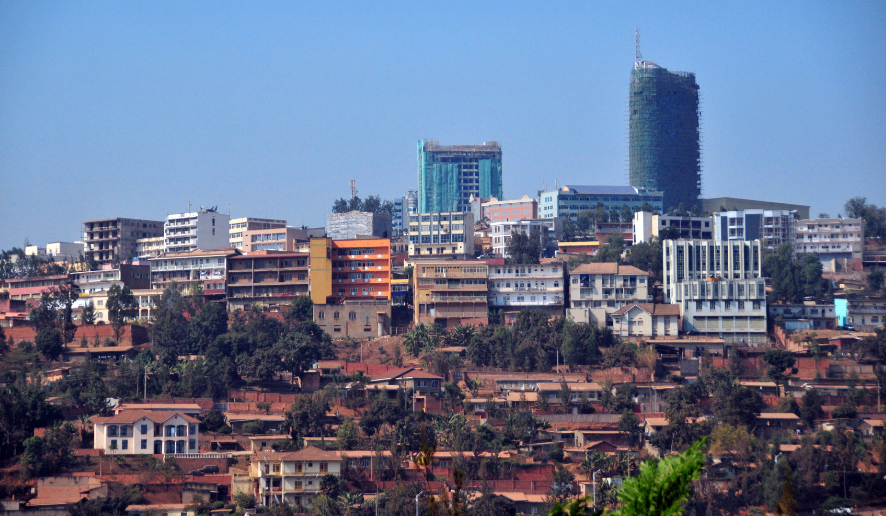
The GSMA Digital Utilities programme, in partnership with the Rwanda Ministry of ICT and Innovation hosted a roundtable that brought together 26 participants from 21 organisations.
They represented government institutions, private sector innovators from the water, energy, sanitation, and waste management sectors, enabling organisations and funders.The closed-door discussion, which was held in Kigali during the Mobile World Congress Africa 2022, focused on how effective government policy and technological innovation can enable access to affordable, reliable, safe, and sustainable essential urban services.
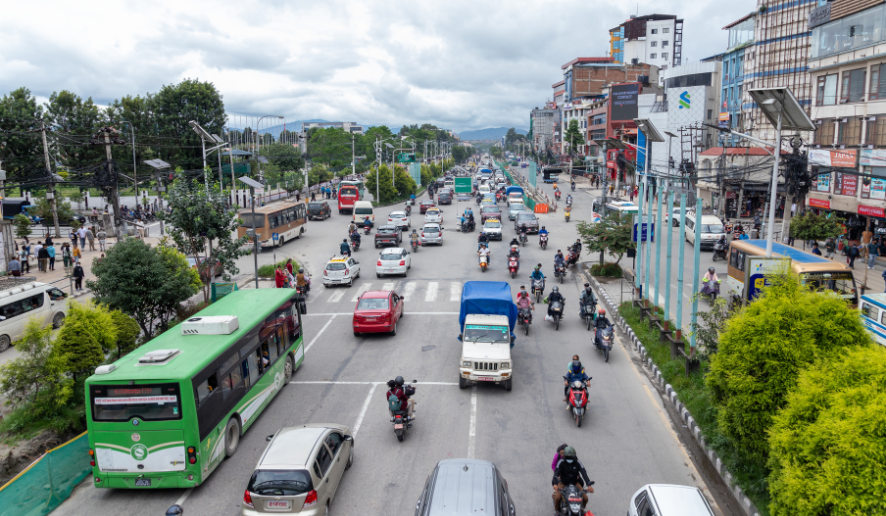
The GSMA Digital Utilities programme, in partnership with Diyalo and Gham Power, hosted a forum on ‘Improving Urban Water and Energy Services in Nepal’ in Kathmundu, Nepal on 7 February, 2023.
This forum brought together over 70 participants working across energy and water in Nepal and regionally, including senior government representation, C-level representatives from digital start-ups, established companies, enabling organisations and funders in the sector. It had two closed-door workshops, an innovation showcase and two panel sessions focused on the role of digital solutions and innovative partnerships in improving urban service provision in Nepal.

The Digital Utilities programme and Freetown Waste Transformers hosted a forum on waste management in Freetown, Sierra Leone in January 2024. Over 40 participants from waste management and related sectors discussed the city’s waste challenges and the potential of digital solutions and innovative partnerships to address them.
The convening allowed stakeholders to share projects and explore synergies. Kweku Lisk Esq, Deputy Mayor of Freetown, emphasised the importance of sustainable waste management. The Council’s goal is to safely collect and dispose of at least 60% of all solid and liquid waste.

The Digital Utilities programme and Climate Collective hosted a forum on smart metering in New Delhi in September 2024. Over 50 participants including mobile operators, utilities, meter manufacturers, regulators and innovators discussed challenges and the potential of innovative partnerships to address them.
The forum underscored the importance of cross-sector collaboration in achieving India’s vision to install 250 million smart meters by 2026, along with the goal of creating a smart energy grid that can integrate renewable energy solutions, accommodate energy efficiency and trading, while taking advantage of India’s rapid transition to e-mobility.
of the city’s water consumption, was by the residents and 8% were commercial and institutional
of the city’s water consumption was from the industrial sector and 2% from the construction sector.
wastewater produced in the city
rainfall utilised out of the total rain fall of 2,149 mld during the wet season
rainfall utilised out of the total rainfall of 1,322 mld during the dry season
groundwater consumed in Bengaluru
supplied to the BBMP areas containing 5.8million people in 2016. (Conveyed from the river to TK Halli WTP and pumped up to the BBMP area in three stages).
Population – making Lagos the most populous city in Nigeria
Year Lagos is expected to be the world’s most populous city
cars
Commercial vehicles
metric tonnes of waste generated daily
of waste created collected by municipal authorities
rise in transportation cost during peak hours and bad weather
of income an average Lagos resident spends on transportation
half of Pakistan’s population is expected to live in cities by 2050
of the urban population has access to safely managed water
of the urban population has access to at least basic sanitation services
Pakistan’s total population with primary reliance on polluting fuels and technologies for cooking
Most affected Country by Climate Change according to the Global Climate Risk Index
Raised by Startups in Pakistan in 2021
of Rwanda’s population will live in cities by 2050 (up from the present 18%)
of Rwanda’s urban population lacks access to safely managed drinking water
of Rwanda’s of urban population lacks access to at least basic sanitation services
tonnes of single-use plastic waste need recycling annually in Rwanda following the implementation of legislation prohibiting the manufacturing, importation, use, and sale of single-use plastic
Nepal’s population will live in cities by 2050 (up from the present 21.9%)
More than half of Nepal’s urban population does not have access to safely managed water services
Nepal’s urban electric power and transmission distribution losses
Nepal has set an ambitious target of producing 15,000 MW of electricity by 2030 with the current capacity standing at 2,430 (increase by 6x in 7 years)
of population has no access to electricity
of waste generated in Freetown is safely disposed
major illegal dumpsites across Freetown
rise in population in the last 30 years
tonnes solid waste generated daily (66% organic)
prepaid smart meters to be implemented in the next 5 years across India
approx spend allocated by the Government, over five years
Aggregate Technical and Commercial (AT&C) losses in India in 2021; compared to developed markets at 3-6%.
meters deployed compared to the target of 250 million in 2024
Partnership resources
We’ve brought together all of our insights, research, blogs, videos and reports that explore and discuss public-private partnerships in digital utilities.
Co-Designing Urban Futures: Innovation and partnerships for improved service delivery in intermediary cities
Sustainable Waste Management: Highlights on digitalisation and partnerships from Freetown, Sierra Leone
Closing the Urban Finance Gap through Digital Solutions and Innovative Partnerships: Our World Cities Day reflections
Success in partnership and planning: Sanivation’s evolving circular sanitation model in Kenya
Join the GSMA Digital Utilities team at World Water Week 2023
Profiling Start-up Public Sector Partnerships for Improved Utility Services in APAC
This initiative is currently funded by UK International Development from the UK government and is supported by the GSMA and its members.