Overview Report
A comprehensive overview of connectivity trends, challenges and opportunities for digital inclusion.
Looking for the latest report?
The State of Mobile Internet Connectivity 2026 is now available. This page remains available as an archive of the 2025 report series and supporting resources.
Key findings
58%
of the world’s population
are now using mobile internet
200M
people started using mobile internet in 2024
38%
of the world’s population
live within mobile broadband
coverage but are not using it
4%
of the world’s population are still not covered by mobile broadband
93%
of the unconnected
live in LMICs

54%
of the world’s population own a smartphone
The top barriers to
mobile internet adoption are Affordability
and Literacy & digital skills
The top barriers to further use are Safety and security, Affordability and Connectivity experience
1.6BN
A device of $30 could make handsets affordable to 1.6bn people
“Mobile internet is transforming lives and economies, but too many people remain excluded from its benefits. This report series highlights the scale of the challenge and the opportunities to accelerate progress towards digital inclusion for all.
Matthew Shanahan, Senior Insights Manager (report author)
Explore the chapters
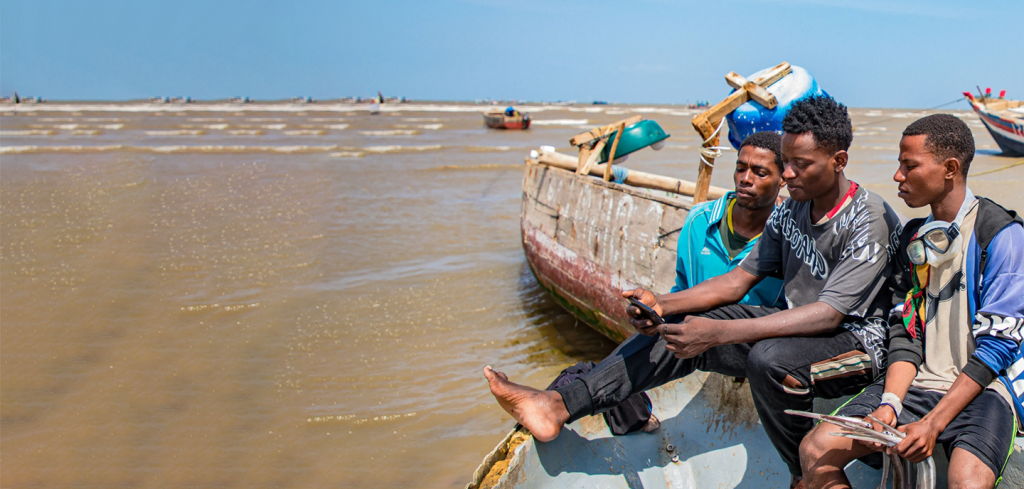
1. Trends in mobile internet connectivity

2. Network coverage and infrastructure
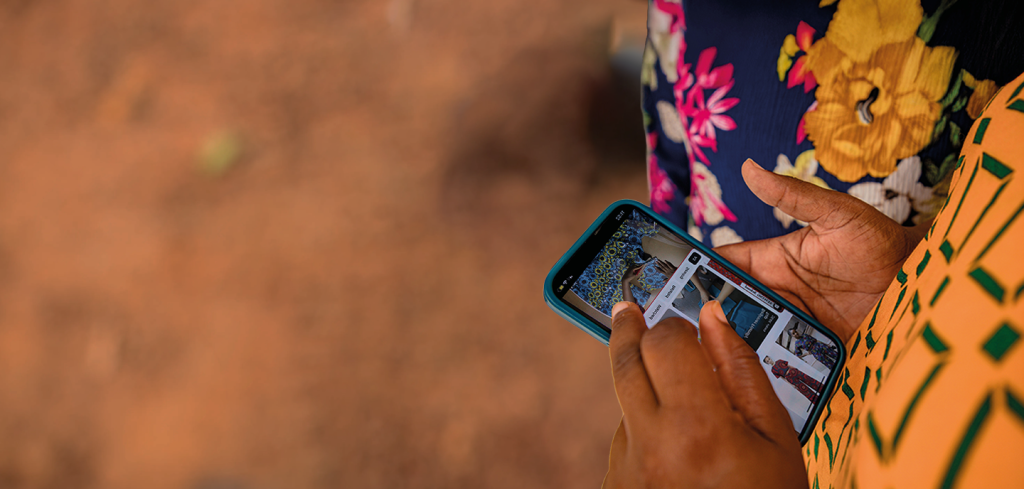
3. Understanding mobile internet use in low- and middle-income countries
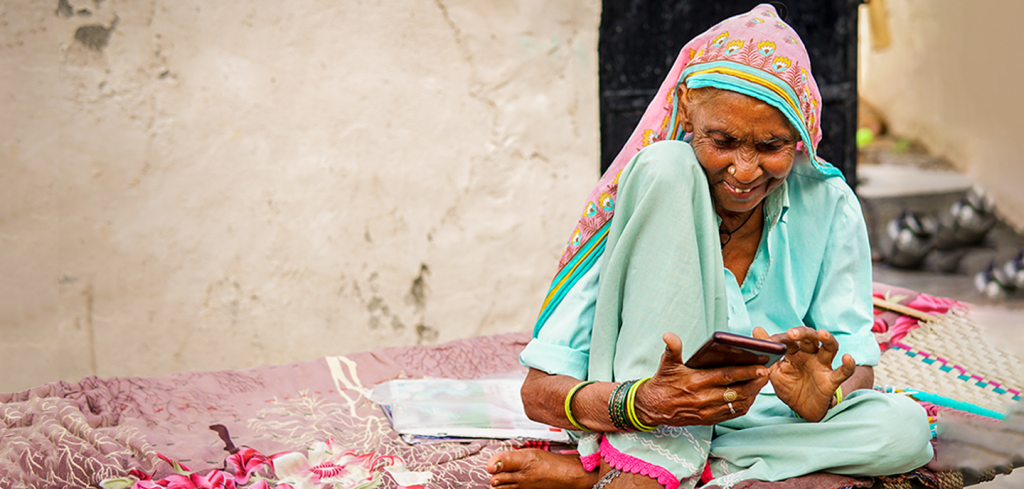
4. Barriers to mobile internet adoption and use
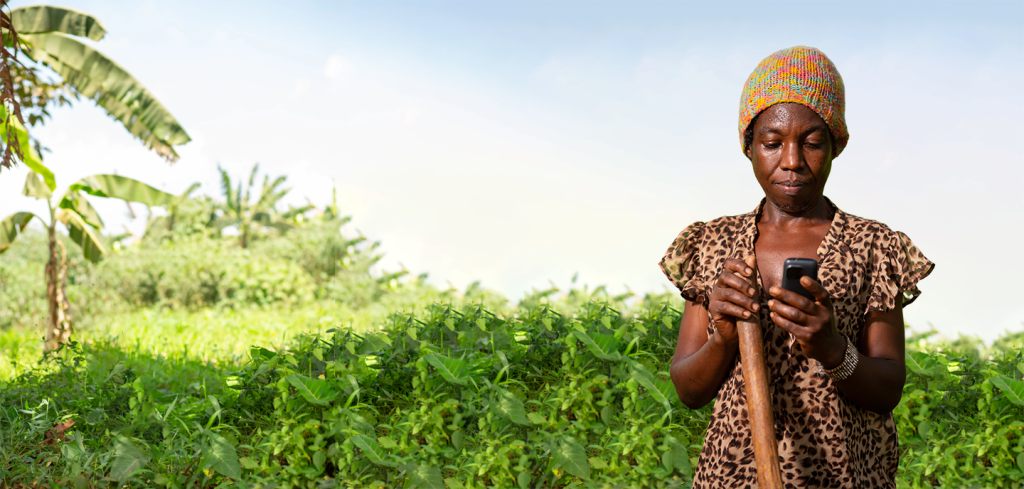
5. Affordability of internet-enabled handsets and data
6. Call to action




The Connected Society programme is currently funded by the UK Government’s Foreign, Commonwealth & Development Office (FCDO) through its Global Research and Technology Development Portfolio, and by the Swedish International Development Cooperation Agency (SIDA), and is supported by the GSMA and its members.