


Following the launch of the State of the Industry Report on Mobile Money 2025, the GSMA Mobile Money programme has been publishing a series of blogs on innovation for inclusion since June 2025. These articles highlight how innovative thinking and design are improving financial access to a broad range of products and services. This is the fifth blog in the series.
Blog 1 | Blog 2 | Blog 3 | Blog 4
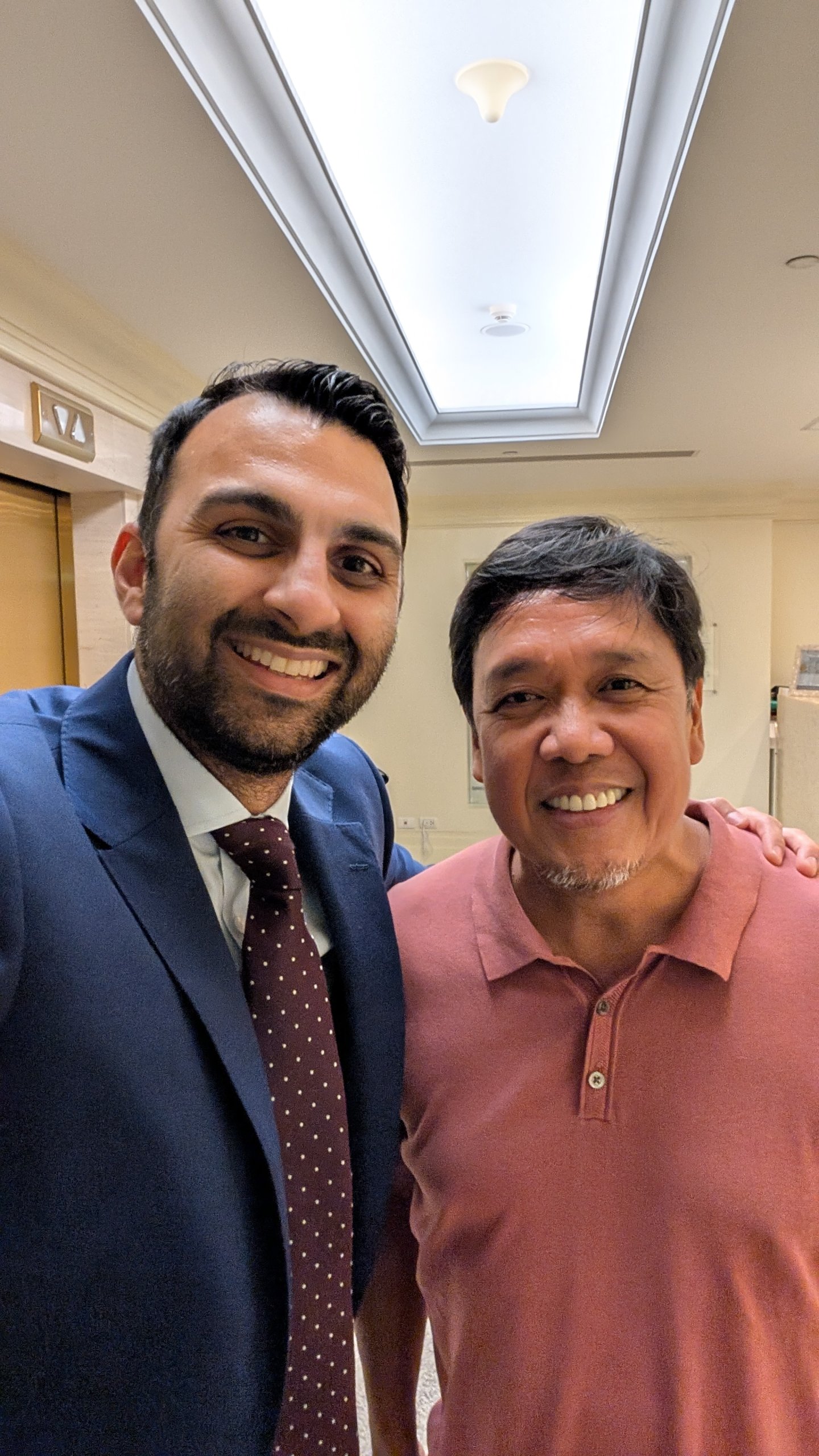
So far, our blog series has focused on mobile money providers and their innovations. Beyond these solutions, we’ve also spoken to some of the people driving innovation – particularly those behind the early successes of mobile money. In the second special interview, we talked to Jojo Malolos, the CEO of Paymongo, who was part of the team that started Smart Money. Smart Money was the world’s first mobile money service, launched in 2001 in the Philippines.
You were behind the world’s first mobile money service, launched in the Philippines in 2001. What led to the creation of this and the idea of using mobile technology for payments?
“Smart Communications, having integrated with PILTEL, became the largest telco in the Philippines. We wanted to go beyond calls and text messages, which led us to launch Smart Money. For us, this was revolutionary. We had a service that allowed [Filipino] peso value to be stored in a mobile wallet, funded via Smart Centres, and linked to a Mastercard debit card. It was the first mobile money service of its kind globally.”
“Our initial use cases included airtime purchase (which empowered load distributors), remittances via Smart Padala (over-the-counter) and subscription bundling. The GSMA later recognised this as a groundbreaking move – predating even M-Pesa – and cited it as one of the first deployments of SIM Application Toolkit technology for financial services. Our initiative showcased how telcos could become catalysts for financial inclusion before banks were even ready for that conversation.”

Until around 2008, the Philippines was the leading mobile money market worldwide. What challenges did the industry face in growing and becoming the payment channel of choice?
“The challenge was widespread adoption, particularly at the base of the pyramid. While we introduced advanced mobile innovations, our models failed to ‘go viral’. Cash still ruled. And many consumers found traditional money transfer services (such as pawnshops and remittance centres) cheaper and more trusted than digital wallets – even if the latter were far more advanced.”
“The Philippines had a strong, early start, but lacked the regulatory clarity and cohesive agent models that later enabled fast growth in places like Kenya. M-Pesa succeeded because it created a widespread, agent-led and low-cost remittance ecosystem that met users where they were. In contrast, Smart Money and GCash were ahead in tech but behind in mass trust and simplicity.”
“2009 was a turning point: Smart Money obtained the first-ever non-bank merchant acquiring license, expanding its model beyond person-to-person transfers to a broader payments’ ecosystem. This allowed us to partner with Mastercard and launch Mobile Payment Services (MPS), taking Philippine-grown wallet models into Latin America.”
You also helped to launch a mobile money service in Cambodia, which has been a success. How would you compare digitalisation between the Philippines and Cambodia?
“When I relaunched Wing Cambodia, we used the lessons learnt by Smart Money and GCash, as well as the launches of Wanda and Zuum (Mastercard-enabled e-wallets in Latin America). Trust in mobile money should start at the agent level. Many Cambodians didn’t trust mobile phones as bank-like tools, but they trusted their local agents. So, we designed a model where every transaction – cash in, cash out, bill payments, supply chain payments and marketplace purchases – was done via agents. Wing’s ecosystem basically became a national utility.”
“By 2019, its annual transaction volumes hit $28 billion (Cambodia’s annual GDP was $21 billion). Much of this was agent-driven growth, which is important in emerging markets. Smaller populations could still yield massive digital payments volume if agent trust, branding and relevance were in place.”
“The Philippines had deeper roots in financial inclusion, better smartphone adoption and telco-backed infrastructure. But ironically, Cambodia moved faster in embedding digital transactions into daily life because it focused more on user trust and simplicity, rather than just tech innovation. It wasn’t until the pandemic in 2020 that GCash saw a growth in mainstream adoption.”
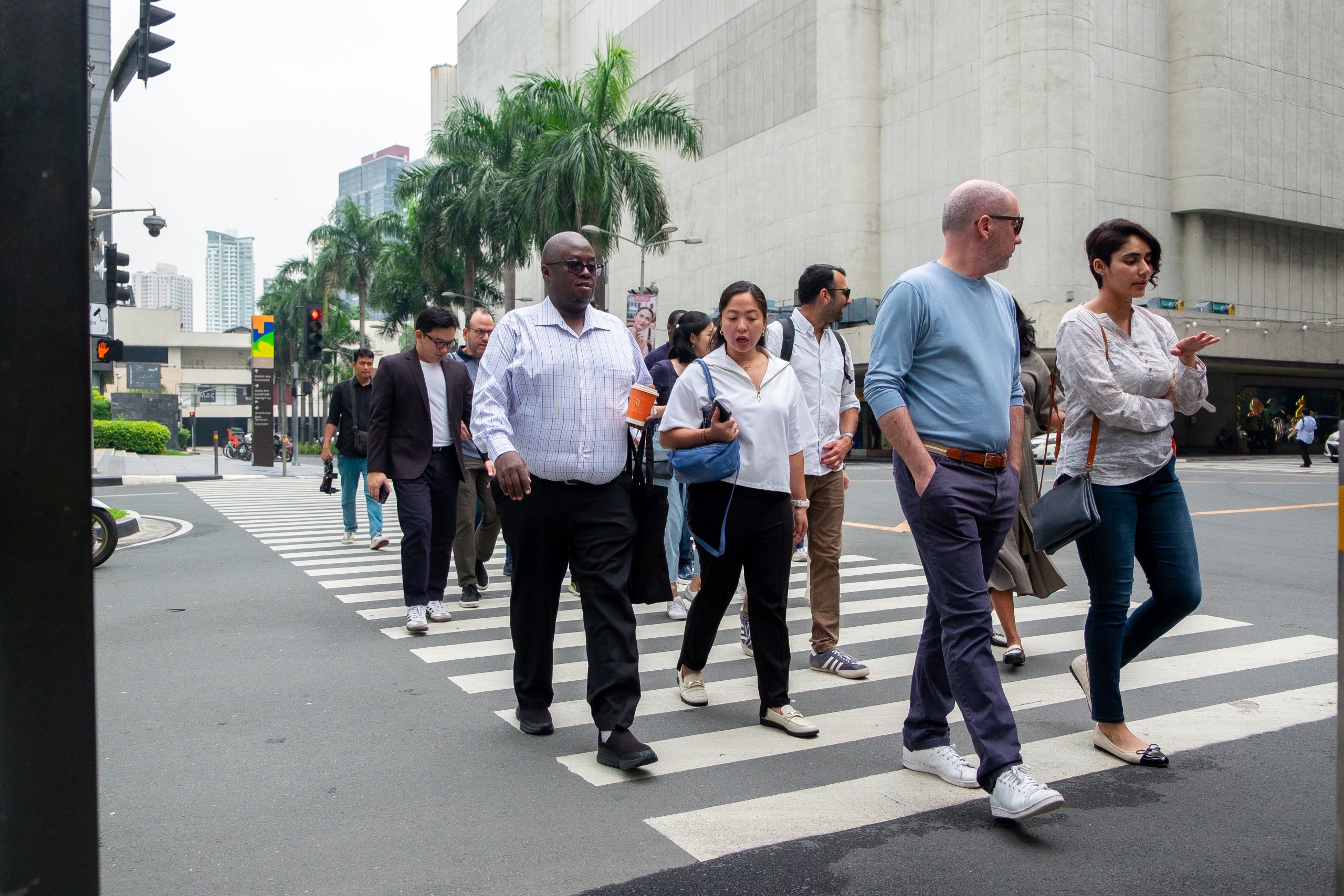
In June 2025, the GSMA brought mobile money leaders from Africa to learn about fintech innovation in the Philippines. What has surprised you about the progress made by mobile money providers in your country?
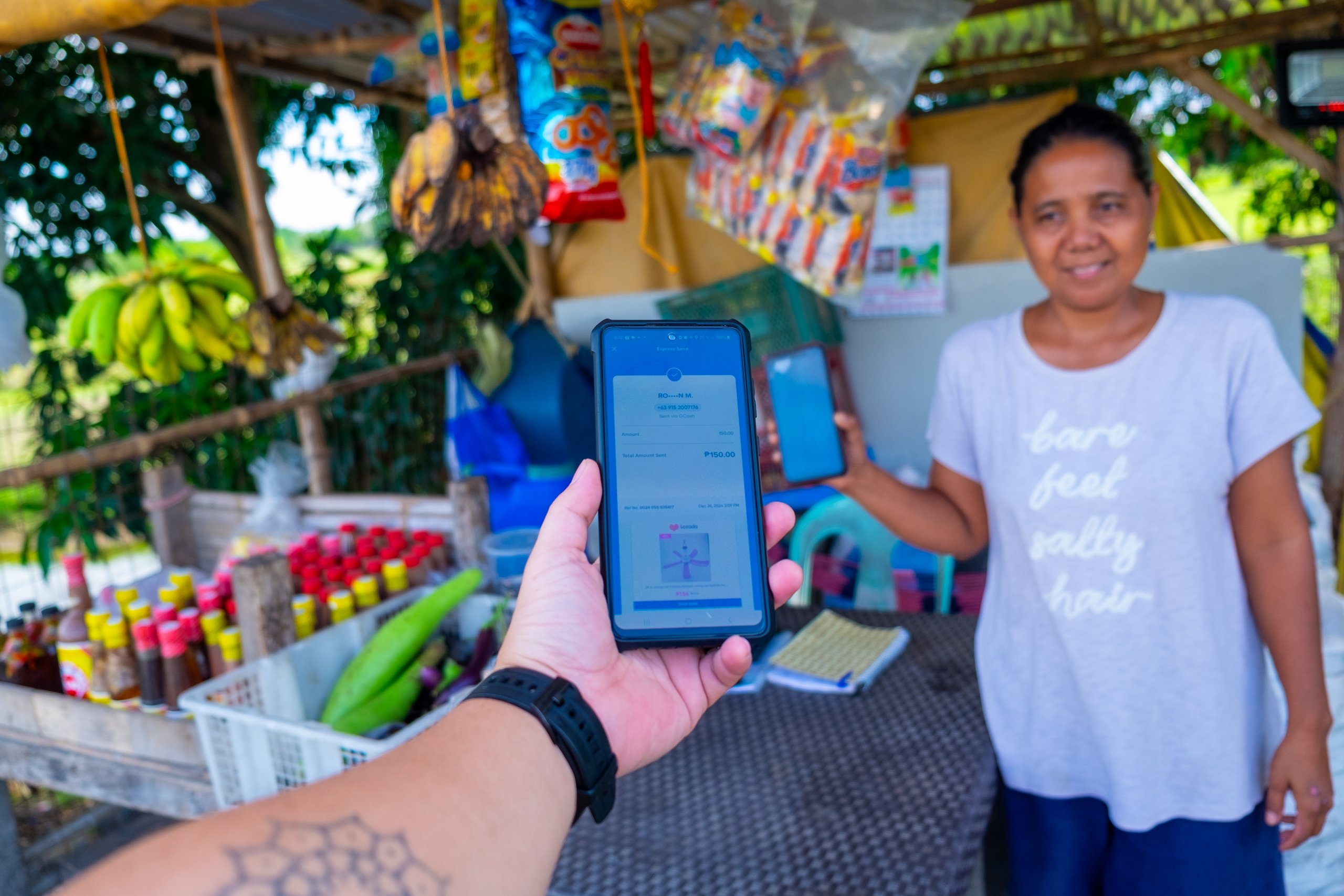
“It’s been extraordinary. During the pandemic, the years of groundwork – product development, API integrations, infrastructure, merchant and government partnerships – have finally paid off. GCash and Maya (formerly Smart Money) have become essential tools. I am surprised how Filipino players have caught up, and in some areas, even surpassed African pioneers like M-Pesa.”
“Wallets in the Philippines are now super-apps. You can use them to access insurance, savings, credit, cryptocurrencies, government payments and more. The GSMA’s [SOTIR] 2025 report confirms this shift: East Asia and the Pacific saw one of the fastest rates of growth in monthly active mobile money users, driven by digital banking, interoperability and inclusive platforms.”
“We’re now seeing AI-based solutions, open finance integration and next-generation digital banking being pioneered here. From lagging, we’ve now become a regional reference point. The fact that GSMA brought mobile money leaders from Africa to study our ecosystem in 2025 says it all.”
Based on your experience, where do you see the industry headed in the next 5-10 years?
“We’re now looking at a future shaped by AI, programmable money, embedded finance and decentralised services. The GSMA’s analysis in SOTIR shows potential for further convergence: mobile money platforms will look to become full-service financial ecosystems, with over 60% of providers globally now offering credit, savings, and insurance. Regulation will keep evolving, with central banks pushing financial literacy, Open APIs, risk sandboxes and digital trust.”
“In the next decade, I see mobile money players transforming into digital infrastructure providers – supporting microbusinesses, gig workers, small and medium enterprises, and even public finance. The winners will not just be telcos or banks, but agile platforms that can bundle value, enable trust, and create everyday relevance for both the banked and the underserved.”
If you could go back to the point of starting the first mobile money service, what would you do differently (if anything at all) and why?
“I would have pushed for earlier and bolder regulation and financial literacy. We need more open experimentation, more sandboxes and more investment in consumer education. China, Brazil and India created policy changes that forced digital usage, such as India’s demonetisation.”
“The Philippines eventually followed with QR Ph, open banking regulations and digital ID systems. But between 2001 and 2008, we were mostly creating without a policy playbook. Today, we can see that the future of digital finance will be co-created by providers, regulators, educators and platforms. Had we embedded that spirit two decades ago, the Philippines could have led the world – not just in innovation, but in scaling financial inclusion outcomes. Then again, this is hindsight.”
To learn more about mobile money’s growth, read the GSMA’s State of the Industry Report on Mobile Money 2025 here.