


Following the launch of the State of the Industry Report on Mobile Money 2025, the GSMA Mobile Money programme has been publishing a series of blogs on innovation for inclusion since June 2025. These articles highlight how innovative thinking and design are improving financial access to a broad range of products and services. This is the sixth and final blog in the series.
Blog 1 | Blog 2 | Blog 3 | Blog 4 | Blog 5

In the GSMA’s State of the Industry Report 2025, low digital financial literacy was seen as a barrier to mobile money uptake and use in several markets. Among the mobile money providers (MMPs) surveyed for the report, around 60% had launched a digital financial literacy policy to increase digital skills and the use of mobile money. Beyond a majority of MMPs taking a leading role in improving literacy, several other organisations – both within the mobile money space and adjacent to it – are involved in improving financial literacy through a range of approaches.
One such organisation is Good Return – a social purpose organisation in Asia-Pacific that enables women and their families to access opportunities and build financial security. Good Return offers education and business training to women and other excluded groups to develop their confidence and financial capability. It runs face-to-face programmes and relies on digital tools to instil money management behaviours and build long-term capability. Through its flagship Consumer Awareness and Financial Empowerment (CAFE) initiative, it has reached over 50,000 learners.
Why growing smartphone penetration is the key to improved financial literacy
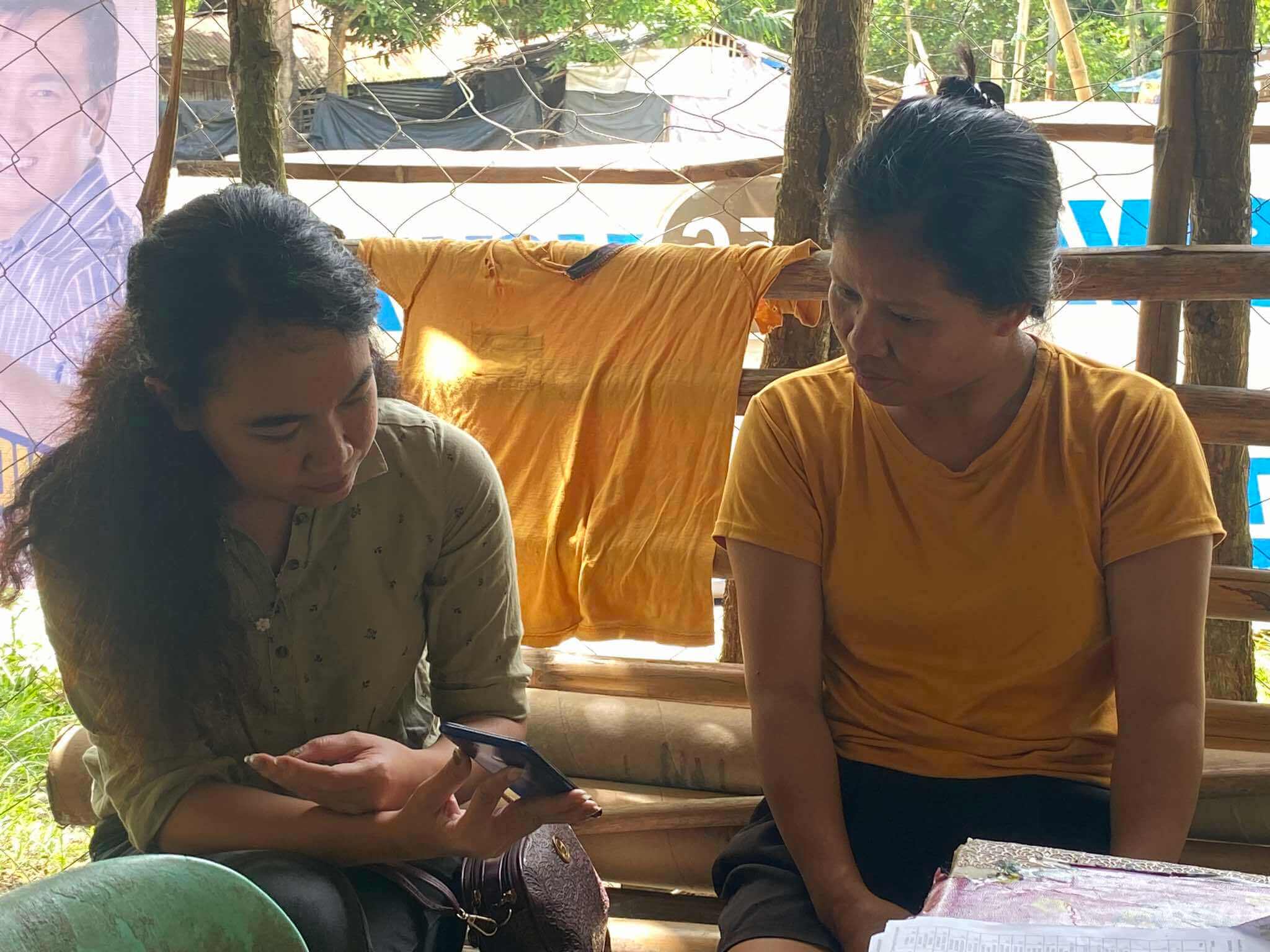
Across the Asia-Pacific region, smartphone ownership has rapidly risen (see blogs 4 and 5) – even among low-income households. Financial inclusion rates have grown too. As of 2025, around 83% of adults in East Asia and the Pacific have a formal financial account, up from 74% in 2021 and 69% in 2014. However, many women micro-entrepreneurs and low-income families are still excluded from the formal economy. A mistrust of formal institutions, poor digital financial literacy, low self-confidence and restrictive gender norms often limit their access to digital financial services.
Cambodia is an important market for Good Return: around 85% of the population has access to a mobile phone, yet 37% of adults remain unbanked. While Internet connectivity is high and mobile phones are in people’s hands, the trust, skills and confidence to use them for financial wellbeing are often missing. This human capability gap is what Good Return aims to narrow through a range of targeted approaches.
How Good Return uses technology to improve financial literacy among the underserved
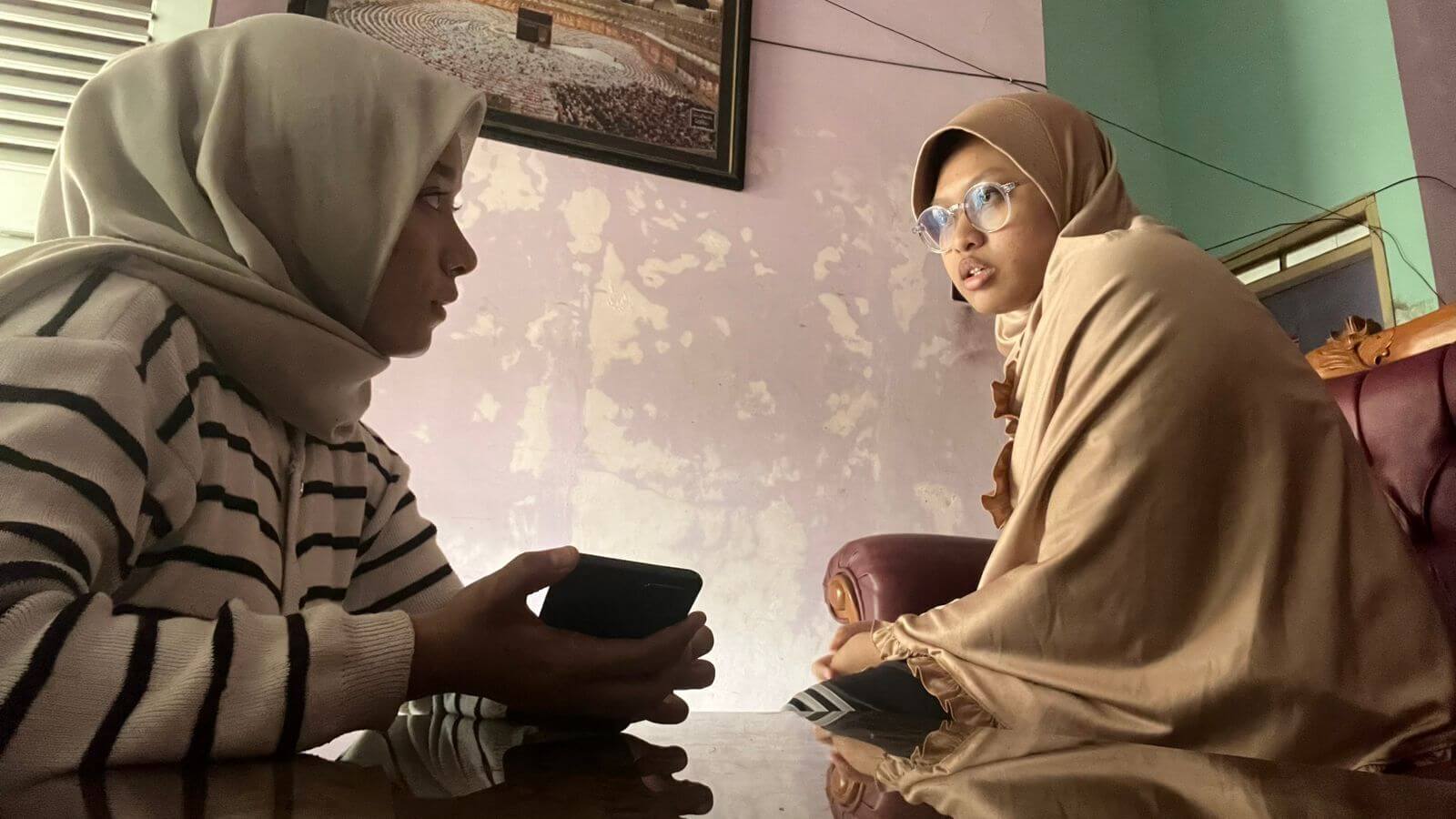
Good Return relies on blending digital solutions with human support. Financial literacy programmes are embedded into the tools people already use. Examples include:
| Existing apps | Engaging bite-sized digital content is provided via apps, such as Facebook, Telegram, WhatsApp and YouTube. One example is the use of drama videos: in the Philippines, a video series on a family’s money challenges highlighted gambling losses and small business struggles. Through humour and real-life lessons, it showed how simple digital financial tools could help turn their situation around. |
| Chatbots and digital champions | Piloted in the Philippines and Cambodia, and now available in Indonesia and Thailand, this approach reached 950,000 women and low-income households in its first year. As chatbots are an emerging concept, partner agents and community leaders are trained as digital champions so women can learn with someone they already trust. |
| My Money Tracker app | Many microentrepreneurs use cash and do not keep records, limiting their ability to access productive credit. This offline app helps microentrepreneurs to track their cash flow, while increasing their awareness of spending and financial habits. The app has been used by more than 160,000 women across Cambodia and the Philippines. |
| Social media campaigns | Good Return has co-developed social media campaigns with the National Bank of Cambodia and the Central Bank of Solomon Islands. The campaigns are designed to raise awareness of scams, consumer rights and the responsible use of digital financial services. Over four million women and low-income households have been reached. |
Good Return targets communities that cannot easily be reached by technology
In the Pacific, where connectivity challenges persist, digital financial literacy is typically delivered through face-to-face programmes. For example, in Fiji, in partnership with Visa and the Reserve Bank of Fiji, Good Return developed a curriculum for women and women-led MSMEs, with learning objectives aligned to the country’s national financial inclusion strategy. In Papua New Guinea, Good Return has developed and runs a similarly contextualised curriculum with financial service providers in specific provinces. While in the Solomon Islands, face-to-face sessions and radio campaigns are run in collaboration with the Central Bank to reach some of the most remote communities.

How Good Return works with digital financial service providers
Partnerships with a range of digital financial services providers and adjacent organisations are key to Good Return’s success. The organisation has worked with several financial service providers, including banks and microfinance institutions. The latter continues to play a vital role in embedding financial inclusion in emerging economies.
Good Return has trained staff at over 30 financial institutions in inclusive operational practices and consumer protection. This allows providers to design and deliver services that genuinely meet low-income clients’ needs. It has also prioritised training for partner agents and community leaders to act as digital champions, creating a support network close to women’s homes while reinforcing providers’ distribution networks. This approach has helped build confidence and regular mobile wallet use.
Shifting mindsets is perhaps the biggest barrier
Working with partners is essential for Good Return and other similar organisations that aim to promote and grow financial literacy. However, changing mindsets is often as much of a barrier as the ones that end users typically encounter. Buy-in among senior leaders is important, as it helps initiatives stick at the operational and branch level. However, sustained advocacy and engagement are necessary too – including with regulators. Regulatory alignment is key to working towards broader goals set in national financial inclusion strategies.
For Good Return and others working to improve digital literacy, wholesale change may take time and is unlikely to happen overnight. But through strategic partnerships and a focus on specific underserved groups, the conditions needed for a more inclusive digital finance ecosystem can be developed over time. Continuous engagement at a household level is key: meeting the end users where they are can make ecosystems more inclusive, trusted and sustainable.
To learn more about mobile money’s growth, read the GSMA’s State of the Industry Report on Mobile Money 2025 here.