Design Thinking - Track 4.4 EN | Mobile for Development
Back
Track 4:

Step by step learning journey

Let’s apply our knowledge

You will now go through a series of steps that will help you apply design thinking to improve your internal processes. To get the most out of the exercises, you will be asked to step outside your comfort zone. With that in mind, we propose that you begin by planning small celebrations to mark the end of each phase of your project. All the steps, including practical tools and examples, are listed below.
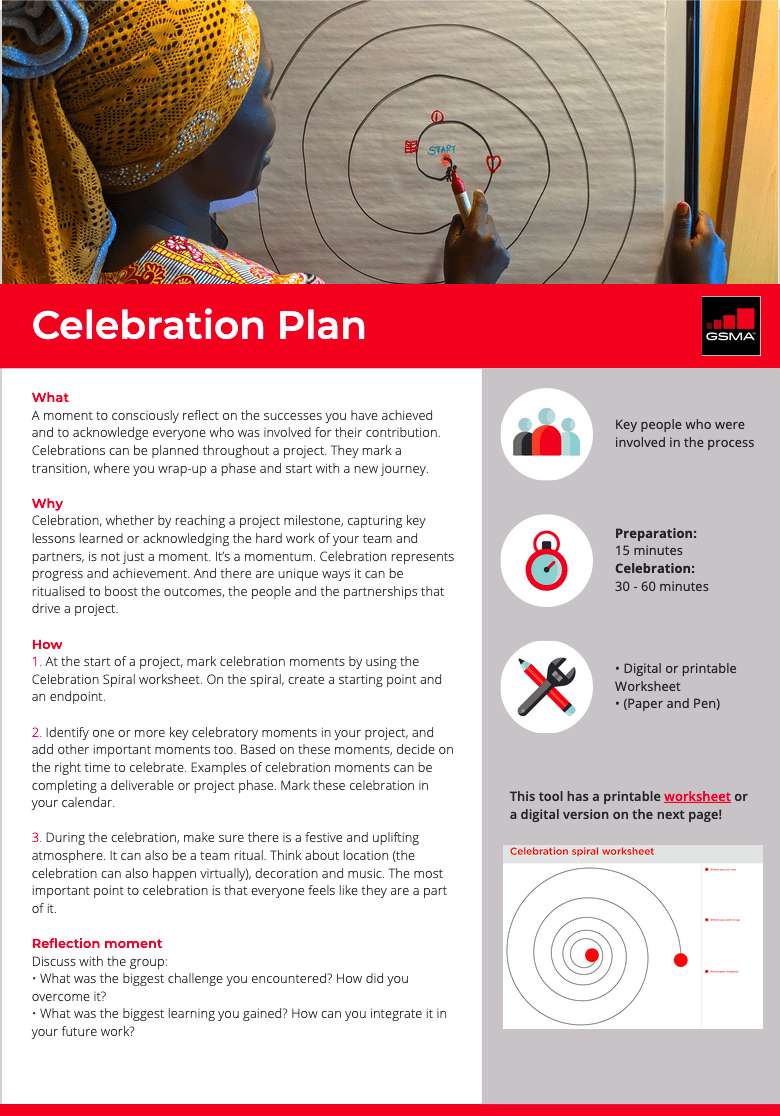
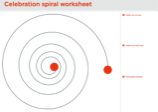
Plan celebration milestones

Phase 4: Setting the scene

mAgri icon

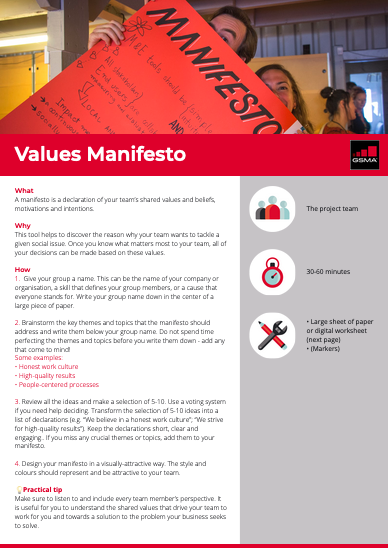
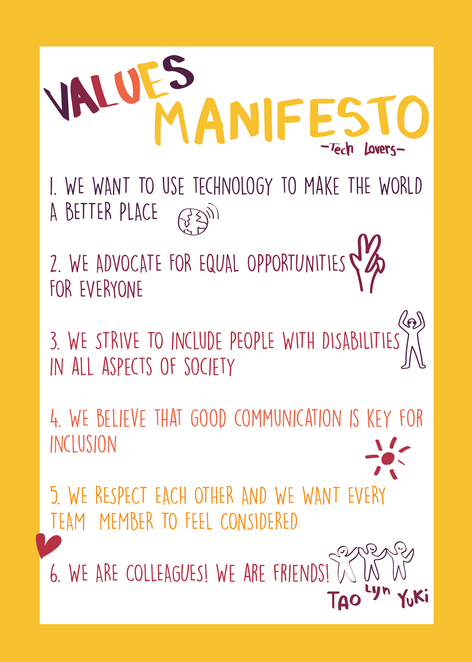
Create your team values

This exercise will help your team define the shared values that will guide your decision making. First, you and your team will share different perspectives on the problem you are trying to solve. Then, you will develop a manifesto together that represents the collective values of your team. Once you identify the most important values, all of your decisions can be made based on these values.

Practical tip

Make sure to listen to every team member’s perspective in an open discussion, and include everyone’s voice in the values manifesto. It will be useful to understand what motivates your team to work for you and to invest their time in developing a solution to your business problem.

Social connections icon

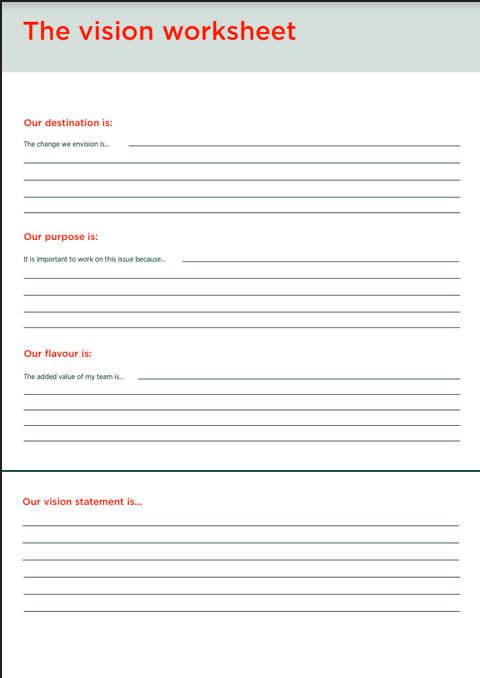
Defining your team vision

Develop a shared vision statement that communicates your team’s purpose. Now that you understand your team’s perspectives and core values, translate these into a vision that describes the ideal future that the team believes your business can help to achieve. The vision statement is built on three key elements:

• What: The change you envision and want to achieve;
• Why: The purpose of what you are working towards; and
• How: The way you will use your expertise to develop your solution.

A vision is not a roadmap, but a compass.

Artificial Intelligence icon

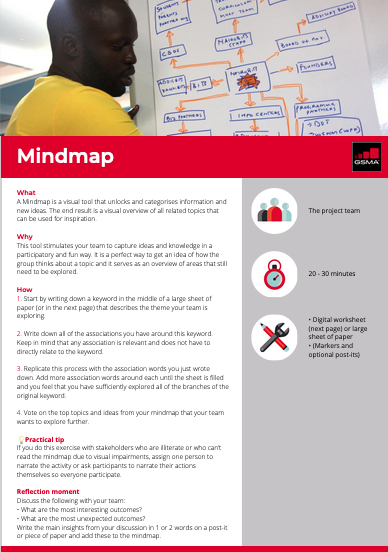
Capture your ideas

Stimulate your team to capture their ideas and knowledge in a participatory and fun way. A mindmap is a visual thinking tool that unlocks information and new ideas, and categorises your thoughts around a certain keyword. It provides a visual overview of all the topics that inspire you. A mindmap is a perfect way to gather different perspectives and identify areas for further exploration. Finish the exercise by voting on which topics and ideas to explore further with the lottery game tool.

Think of your mind map like a tree; the central idea is the root and the related ideas serve as branches.

Discuss icon

Welcome crazy ideas

Take the top-voted topics from the mindmap and write them down on separate pieces of paper. In this exercise, mix three randomly selected topics. Your team must combine the three topics and come up with as many new ideas as possible. There is no judgement or criticism in this process: any crazy idea is valid. By creating a large amount of ideas, you boost your team’s creative and ideation mindset. Even though the ideas might not be feasible, the exercise opens the door to coming up with out-of-the-box ideas that can trigger new ways of looking at the social issue you are trying to solve.

Calendar icon

Assess and prioritise ideas

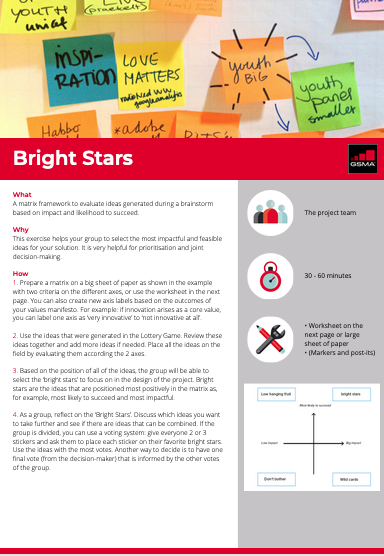
This exercise can help you to evaluate and prioritise the ideas you created in the lottery game. It uses a matrix to help you select the ideas that: 1) create the most impact; and 2) are most feasible. Based on the position of the ideas along this matrix, the group will be able to select the ‘bright stars’ – the most impactful and feasible ideas to focus on in the design process.

Practical tip

There is an easy way to assess and order your ideas about impact and feasibility. During the exercise, the group can place the ideas in a matrix under the following categories: most likely to succeed, less likely to succeed, low impact and high impact. It is also possible to adjust the criteria of your matrix based on your manifesto values. For example, if innovation is a core value shared by your team, you can replace either the ‘impact’ or ‘feasible’ axis with an ‘innovative’ axis.

Phase 5: Handover

Discuss icon

Building trust

Feedback is necessary for your team to improve and grow. However, some people do not feel comfortable sharing feedback with their colleagues. This exercise helps you to discuss the best ways to give and receive feedback with your team. It teaches you how to share constructive feedback and how to respect each other’s space and ideas. Finish the exercise with a written statement that sets a direction for building a trust-based feedback culture.

Practical tip

Good feedback is closely connected to feeling safe in a group. Reducing blame and shame when mistakes happen is key. Your team members must feel safe to make mistakes and to speak out when they are facing challenges.

Trainer icon

Share lessons learned

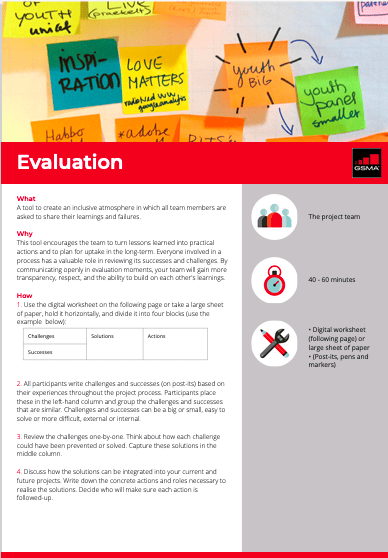
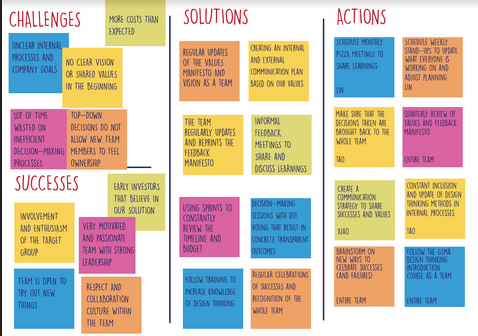
Everyone on your team plays a valuable role in reviewing your collective successes and challenges. By communicating openly in moments of evaluation, your team will become more transparent, respectful and able to build on what others have learned. This evaluation tool helps create an inclusive atmosphere for all team members to share their lessons and failures. It defines shared solutions and actions that ensure uptake in the long term.

Startup icon

Celebrate becoming a design thinker

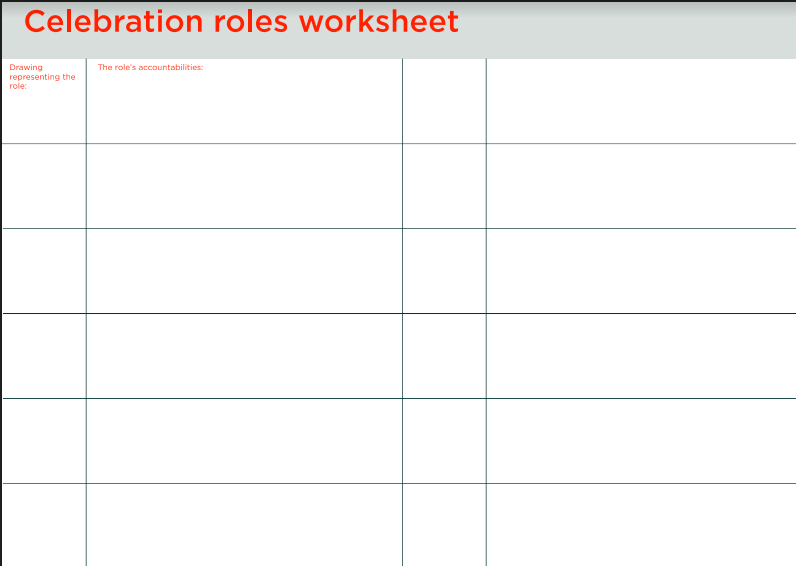
Celebrate the completion of this journey with your team. Show your appreciation for the different perspectives shared and their efforts to work collaboratively. Recognising everyone’s unique contribution will show your team they are valued and will motivate them to continue their great work.

Practical tip

Reflect on the project process with your team and ask everyone to note key takeaways and insights. Post this list in your office and use it as a checklist of best practices at the start of new projects.

Let’s plan

The final step is to plan when and how you will integrate these tools in your work plan. To do this, download and use the template below.

This initiative is currently funded by the UK Foreign, Commonwealth & Development Office (FCDO) and supported by the GSMA and its members.

The views expressed do not necessarily reflect the UK Government's official policies.