Design Thinking - Track 1.4 EN | Mobile for Development
Back
Track 1:

Step by step learning journey

Let’s apply our knowledge

In this journey, you will go through a series of steps that will guide you in applying Design Thinking methods for customer engagement. You will also be asked to step outside of your comfort zone, in order to get the most out of the exercises. With that in mind, we propose to start by planning celebration moments throughout all of the phases of your project. See below the overview of all the steps including practical tools and examples.
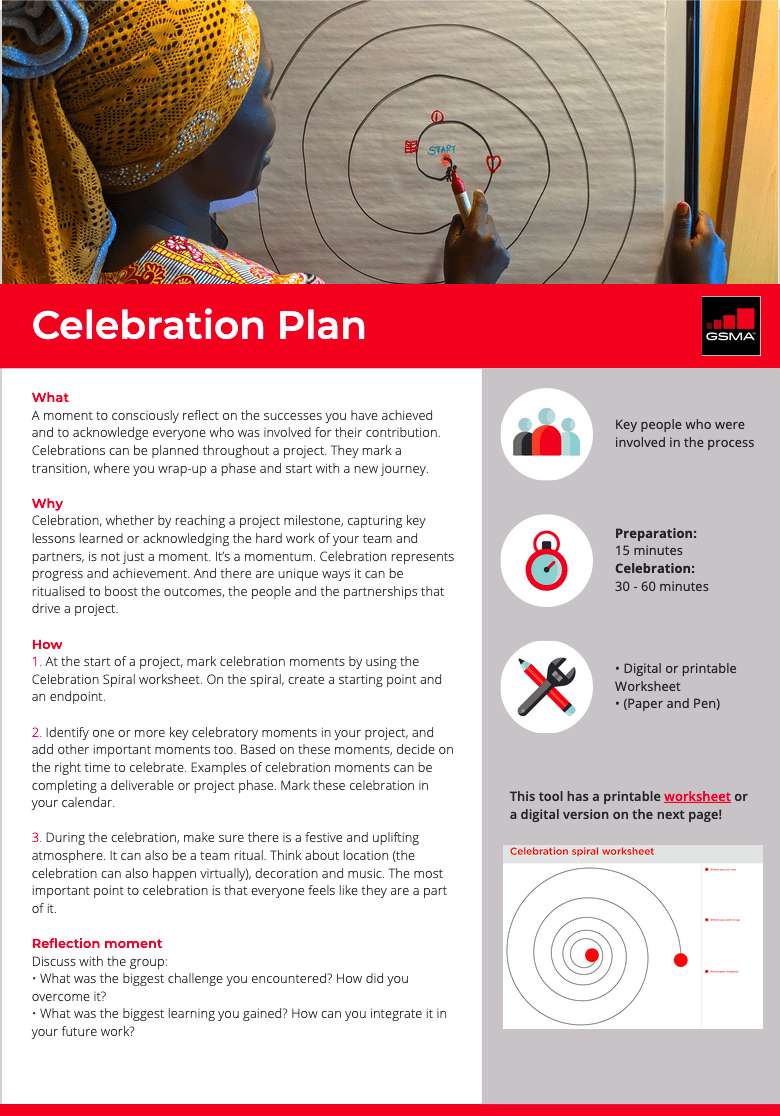
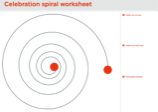
Plan celebration milestones

Phase 1: Setting the scene

Discuss icon

Understand your Context

Develop a Visual Mindmap with key findings from your market research. Make a collage with all information you collected such as photographs, text, quotes or news articles on a white wall or online board (e.g. Powerpoint or Google Slides). Place common information close to each other or draw connections between relevant information. You will end up with a clear visual of links, opportunities and threats in your context. Include post-its with some notes and initial thoughts you have from the outcomes.

Discuss icon

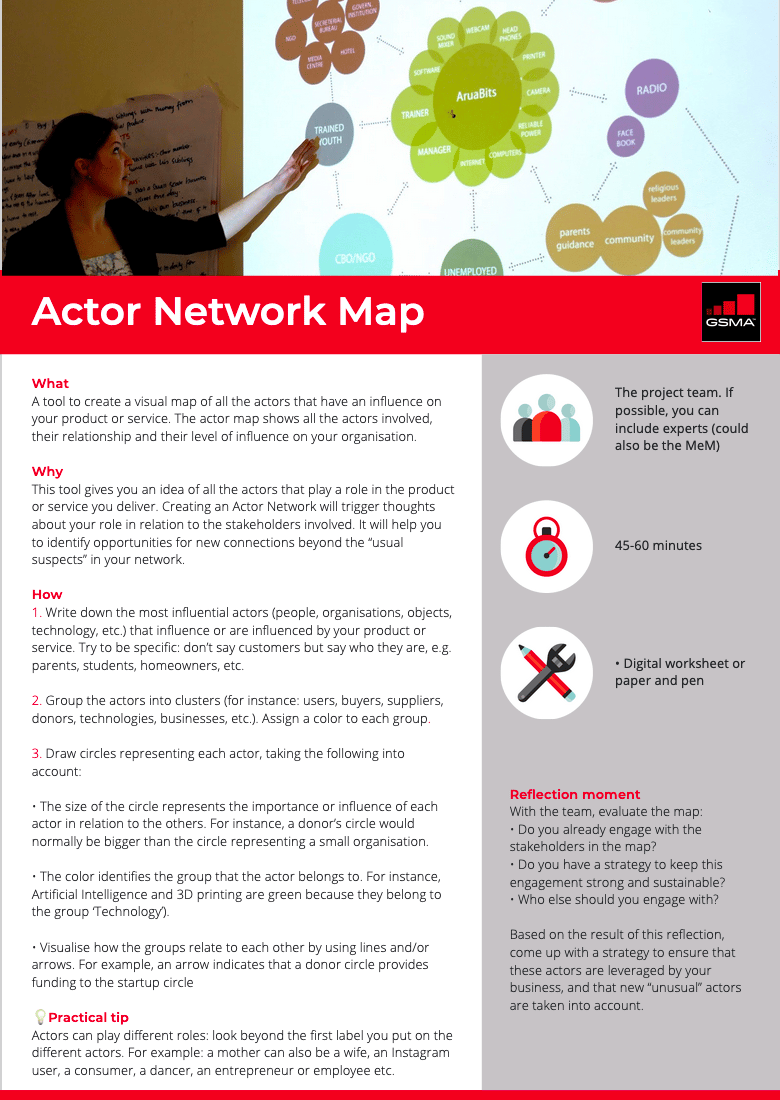
Identify your stakeholders

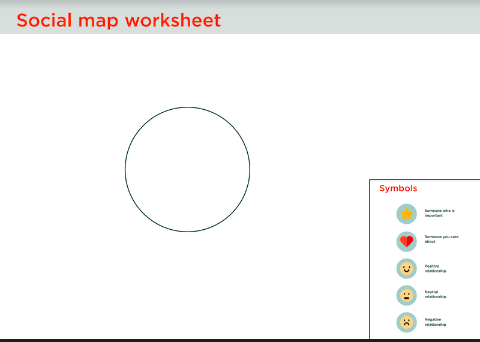
Do you know who all the actors are who influence your product or service or are influenced by it? This exercise can help you map the actors involved and study their relationship and level of influence between one another. Choose the most influential and key actors to take forward in your design research interview.

Practical tip

Outline the multiple roles your key actors have. People and organisations can play different roles, look beyond the first label you put on the actors you have mapped.

Search icon

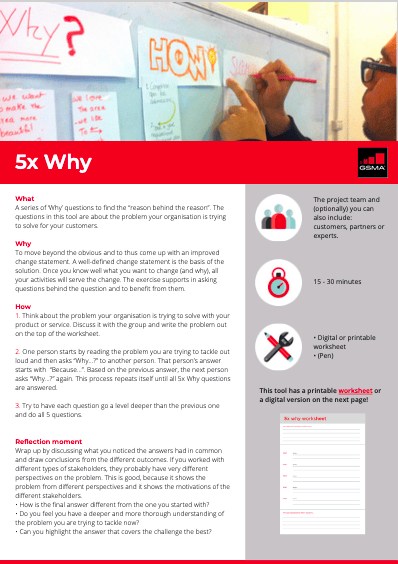
Get to the core of your problem

This exercise will help you get to the core of the problem you wish to tackle. Discover the reason behind why you and your team wish to tackle this problem in the first place. You will arrive at a clear problem statement that will be addressed during the design research phase.

Create icon

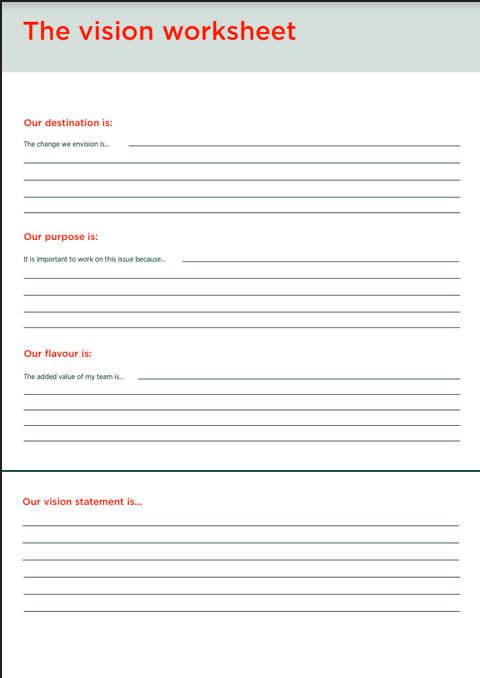
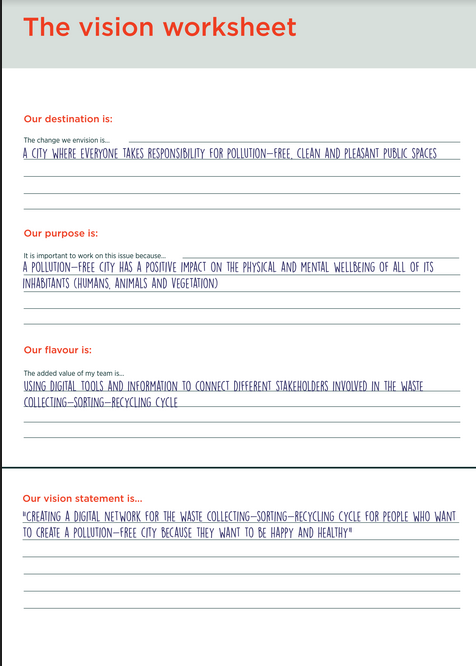
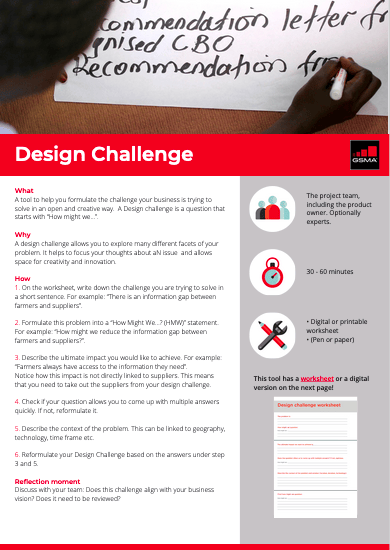
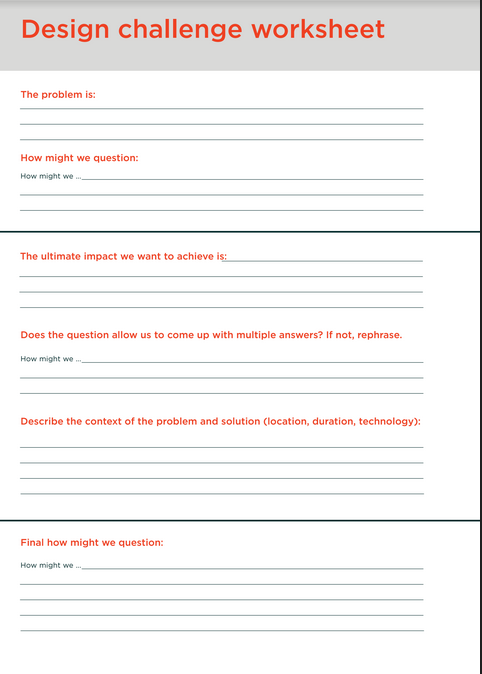
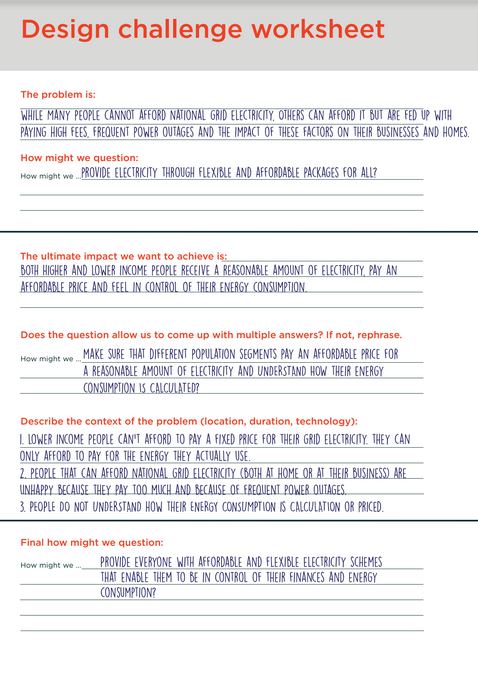
Define a clear design challenge

Once the problem statement is defined, let’s take a deeper look at it by breaking up a problem into smaller, more feasible challenges. By doing so, your team will be forced to think out each challenge separately and later on ensure they come together.

Find the problem that motivates and inspires you for the search of solutions.

Phase 2: Research

People icon

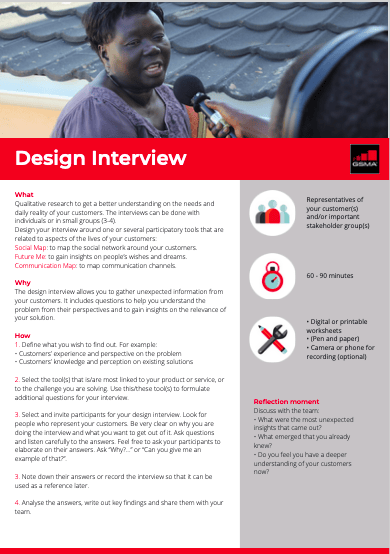
Get to know your customer

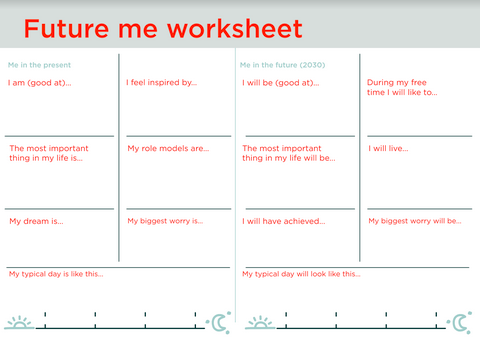
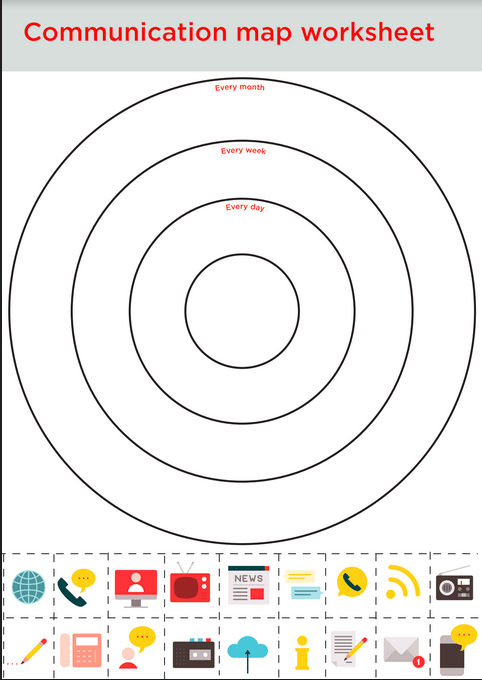
Your customers know more than anyone about what they want and need. Begin using this tool with a design interview that provides space to gather unexpected information from your customers. The questions asked will help you understand how customers experience the problem and why it is or is not relevant to them. Finish the interview by asking your customers to fill out three participatory tools that look at different aspects of their lives.

Practical tip

Practice active listening. Listen attentively and give space for the person to speak. Try to leave your thoughts and judgements aside and don’t interrupt the person speaking. Ask clarifying questions about what the person is talking about in order to get a deeper understanding.

Testimonials icon

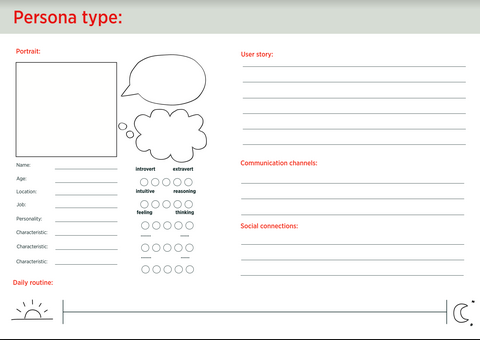
Process all the insights into a persona

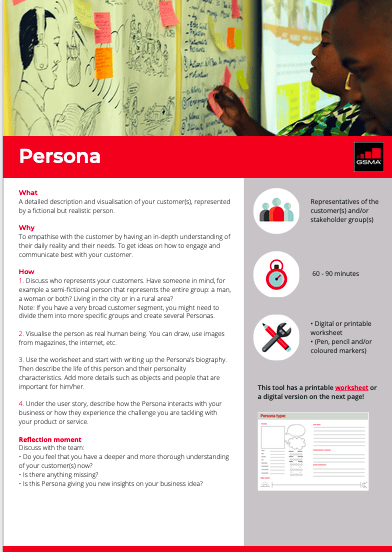
You have collected so much information from different customer profiles – now what? It is not necessary to take all details into account, but important to see the overlapping thoughts and patterns in these results. Translate these results into a persona of your target customer. Create it in such a way that you can describe in detail this person’s life, their needs, wishes, characteristics. Try to truly empathise with this person.

Put yourself in someone else’s shoes.

Supply chain icon

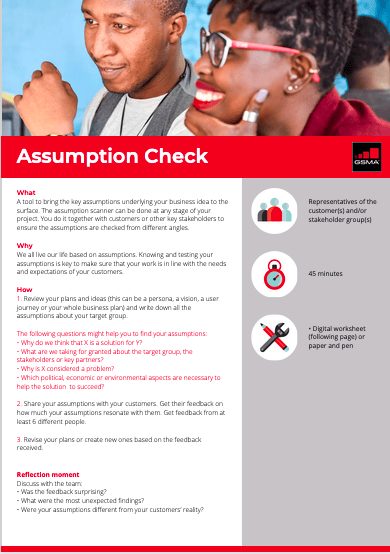
Share and get feedback

Share your persona back with the customers you carried out the research with. Get their feedback on how much this persona represents them. The feedback gives you the opportunity to check whether you understand their needs and if your project is in the right direction to solving a problem that is relevant and necessary to this target group.

Assume you will always be wrong.

Startup icon

Celebrate becoming a Design Thinker!

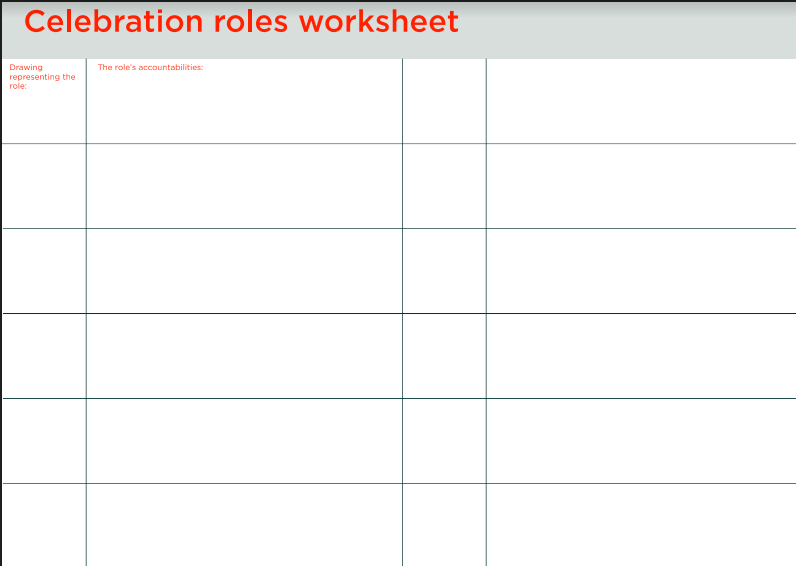
Celebrate the completion of this journey with everyone involved: your team and your customers. Show your gratitude to the customers who took time to share input and give feedback. Show how valuable their involvement is and ensure you have them on board for future developments of your project. You will benefit immensely by having constant feedback and engagement with your customers throughout the whole process.

Practical tip

Reflect about the process and note down key takeaways for yourself regarding customer engagement. Keep this list close to you and use it as a checklist during future developments of your project.

Let’s plan

Finalise by planning when and how you are going to integrate these tools into your work plan. You can download and use the template below.

Next

Track 2: How can early prototyping and testing of features can get your solution to market faster

This initiative is currently funded by the UK Foreign, Commonwealth & Development Office (FCDO) and supported by the GSMA and its members.

The views expressed do not necessarily reflect the UK Government's official policies.