The company
Komunidad uses SaaS solutions and AI-powered mobile apps to improve disaster response.
The problem
Ranked first in the World Risk Index, the Philippines is significantly affected by extreme weather events, with an average of 20 tropical cyclones in the country each year.
Local governments in Visayas and Mindanao, in the Philippines, face persistent challenges in delivering timely, localised early warning alerts to communities due to:
- Limited digital tools and fragmented systems
- Weak infrastructure and low technical capacity
- Geographic and logistical barriers
These gaps leave vulnerable populations exposed to climate-related hazards such as floods, typhoons and landslides.
GSMA project
In November 2022, Komunidad received a GSMA grant to leverage a data-driven approach to integrate environmental intelligence, early warning systems and mobile dissemination. The GSMA grant was also used to empower local government and vulnerable communities in Siargao Island that were devastated by Typhoon Rai, rapidly scaling the solution from municipalities to provinces.
In December 2025, Komunidad received an additional grant to scale their centralised multi-hazard early warning system (MHEWS) in two strategic cities- Mandaue and Claver as pilots, for broader regional adoption. The project focuses on centralised, multi-hazard dashboards for urban LGUs (Local Government Units), leveraging automated web and social media alerts to strengthen institutional decision-making. This initiative builds on Komunidad’s successful deployments in Siargao and Metro Manila, positioning this project as a scalable model for nationwide rollout.
Outcomes
As of 2023, Komunidad had scaled the GSMA-funded pilot in Siargao into a national use case and serving 129 enterprises and government partners across industries.
As of December 2025, the expansion project aims to deploy Komunidad’s early warning system in Mandaue and Claver, enabling faster, localised disaster response and anticipatory decision-making. By the end of the second grant, the project expects to:
- Enhance resilience for 60,000 residents
- Deploy web-based dashboards and automated alerts via SMS, email, and Facebook
- Customize hazard profiles and workflows for each city
- Train 120 disaster risk reduction staff to use the system effectively (with at least 30% female participation).
- Improve anticipatory action and community protection for over 2 million residents
Traction
- Komunidad had 248 registered municipality workers using its app by March 2025, 123 of whom are women.
- Launched the AI-powered safety app, Curbeet To find out more, read the Komunidad case study.
A message from the founder
“Using the latest technologies in telecommunications, information technology, meteorology and data science, it’s now possible for vulnerable communities anywhere in the Philippines to have their own comprehensive climate resilience center that can be set up in just a few minutes without buying multiple systems and expensive monitoring equipment.”
– Felix Ayque, Founder
Founder
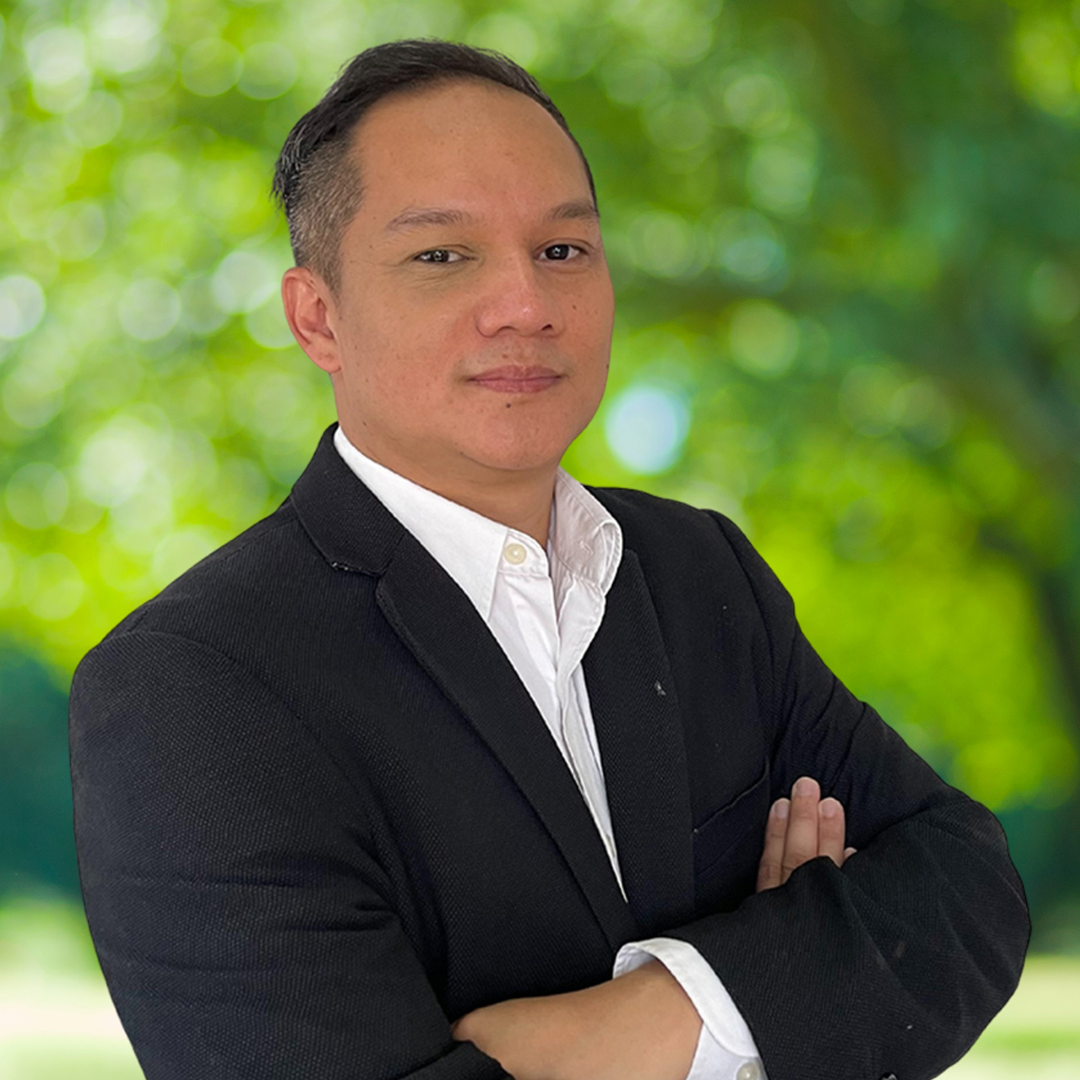
Felix Ayque, CEO and Founder
Team | 11 - 50 employees
Case studies

Leveraging Climate Data Analytics for Typhoon Early Warnings: Grant impact and learning
Blogs
Videos
Donor(s)


SDGs impacted