The company
People in Need (PIN) provides humanitarian aid and helps people overcome disaster and support them in recovery so that they can get back on their feet.
The problem
The Philippines lacks mobile-enabled technology that can generate real-time hazard information and localised forecasts, along with an end-to-end alert dissemination system at the local level.
Flood-prone communities in areas such as Luzon, Visayas, and Mindanao face critical gaps in early warning systems due to:
• Lack of localised, real-time flood alerts
• Outdated disaster response plans with minimal anticipatory action
• Limited inclusion of groups at risk (women, persons with disabilities, indigenous communities)
• Reliance on slow, manual alert methods such as megaphones and barangay announcements
These gaps in warning systems, leave last-mile communities exposed to recurring flood risks without timely or actionable information.
GSMA project
In November 2023, PIN received a GSMA grant to improve disaster response by generating risk data and real-time hazard information using IoT-connected early warning instruments, and by developing alert dissemination models that use mobile technology to send timely SMS and social media alerts. This initiative also includes raising community awareness through campaigns and enhancing local preparedness with contingency planning, assessments and simulation exercises.
In December 2025, PIN received an additional grant to expand and scale the STREAM EWS solution. This mobile-powered, IoT-based early warning system is to be implemented across eight high-risk municipalities in the Philippines. The solution will target last-mile, flood-prone communities using IoT sensors and SMS-based alerts, with a strong emphasis on inclusive registration and community-level preparedness.
Outcomes
As of March 2025, 14 flood sensors have been installed on bridges in 12 municipalities.
As of December 2025, the expansion project aims to address both top-down and bottom-up gaps in disaster risk communication and anticipatory action. At the end of the project they aim to:
- Instal 8 IoT flood sensors and 8 automated weather stations (AWS)
- Deliver anticipatory flood alerts to 40,000 direct users—60% of whom are women—
- Disseminate hyperlocal alerts via SMS, Facebook, Messenger, and community radio
- Integrate forecasting tools such as Google Flood Hub and Windy for anticipatory action
- Train local government units (LGUs) and update contingency plans with inclusive standard operating procedures
- Prioritise outreach to 40,000 direct users, with at least 60% women, and reach 280,000 indirectly
By the end of 2026, PIN expects to enhance local preparedness, update disaster plans, and reach 140,000 indirect users with inclusive, real-time early warnings.
Traction
As of March 2025,
- There are more than 55,000 direct users across Caraga, BARMM, Misamis Occidental and Zamboanga del Sur in the Philippines, helping communities to stay informed and prepared.
- 14 flood sensors have been installed on bridges in 12 municipalities.
- Secured a partnership with SMART Telecom to disseminate SMS and technical assistance for Early Warning System
A message from the Country Director
Country Director

Lucas Laube, Country Director, Philippines
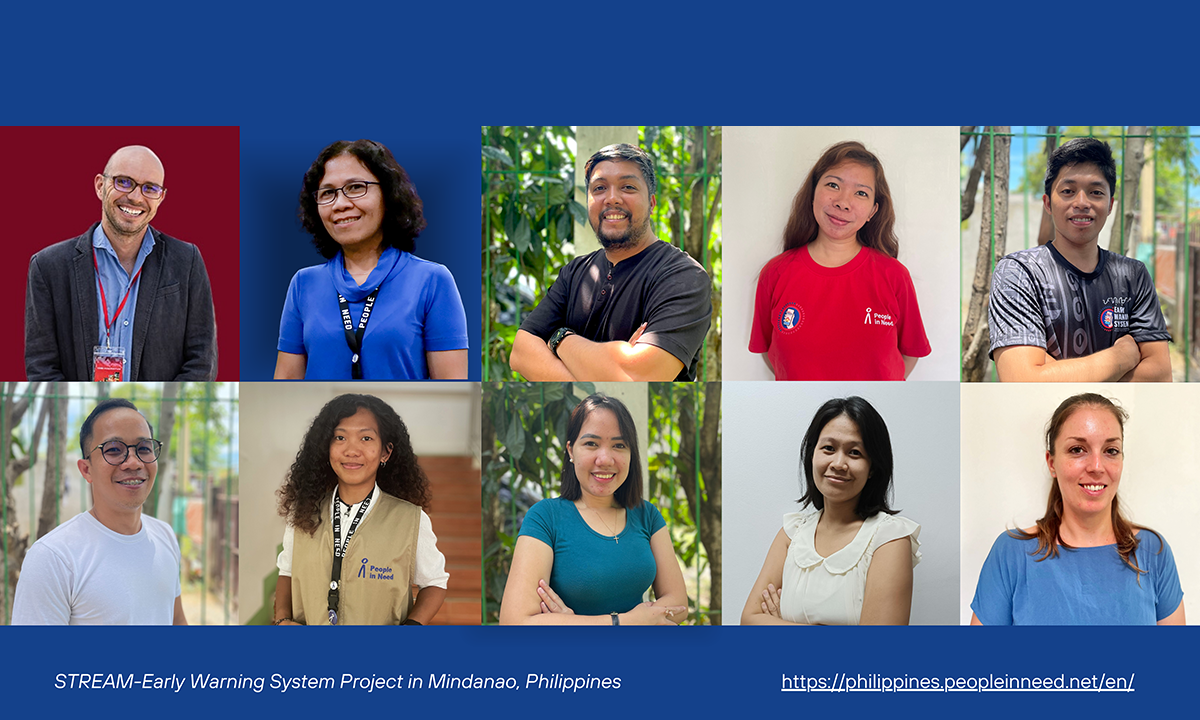
Team | 1 - 10 employees (Philippines office)
Videos
Donor(s)

SDGs impacted